&imwidth=800&imheight=600&format=webp&quality=medium "Mumbai gears up for Climate Week in February")
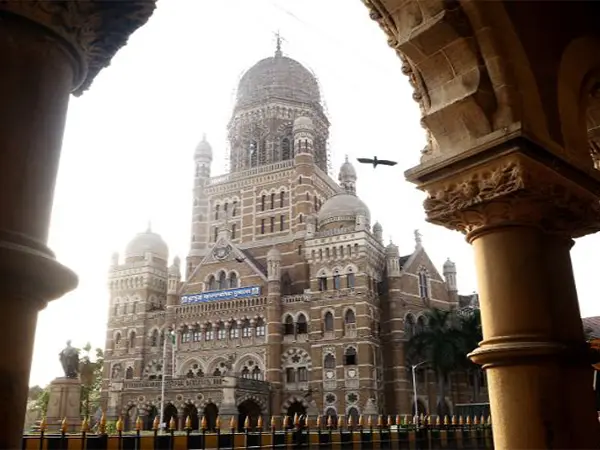
Mumbai Climate Week, scheduled to take place in February, is set to bring climate change into everyday conversation in India’s financial capital Mumbai. Mumbai Climate Week is scheduled to take place on February 17–19 in Mumbai. With the city facing frequent flooding, rising temperatures, and pressure on its infrastructure, the event comes at a time when climate issues are no longer abstract — they are part of daily life for millions of Mumbaikars. The week-long programme will see a mix of policymakers, climate experts, startups, businesses, community groups, and students come together to talk about how cities like Mumbai can better deal with climate challenges. Instead of sticking to high-level climate goals, the focus is expected to be on practical solutions that actually work on the ground.
Mumbai’s location on the coast makes it especially vulnerable. Over the years, heavy monsoon rains have caused repeated waterlogging, while heatwaves have become longer and more intense. These problems affect everything from commuting and housing to health and livelihoods. Many of the discussions during Climate Week will centre on how the city can adapt — whether it’s improving drainage systems, protecting mangroves, or redesigning neighbourhoods to handle extreme weather. Another big part of the conversations will be about what the city government and local bodies are already doing, and what more needs to be done. Speakers are expected to talk about renewable energy, waste management, cleaner transport, and how climate planning can become a regular part of city decision-making rather than a one-time exercise. Businesses and startups will also play a key role during the event. From electric vehicles and green buildings to climate-tech solutions, several companies are likely to showcase ideas aimed at making urban living more sustainable.

Given Mumbai’s role as a financial hub, there will also be talk about how money can be channelled into climate-friendly projects. What sets Mumbai Climate Week apart is the effort to include voices from the ground. People from informal settlements, fishing communities, and environmental groups are expected to share real-life experiences of how climate change is already affecting their lives. These stories are likely to add urgency to the discussions. Young people are also expected to be a strong presence, pushing for faster action and clearer timelines. As Mumbai Climate Week approaches, the hope is that the conversations won’t end with panels and speeches, but lead to real steps towards making the city more climate-ready.