Iran diplomat summoned by India over killing of Indian seafarer off Oman coast

&imwidth=600&imheight=450&format=webp&quality=medium "Iran diplomat summoned by India over killing of Indian seafarer off Oman coast")
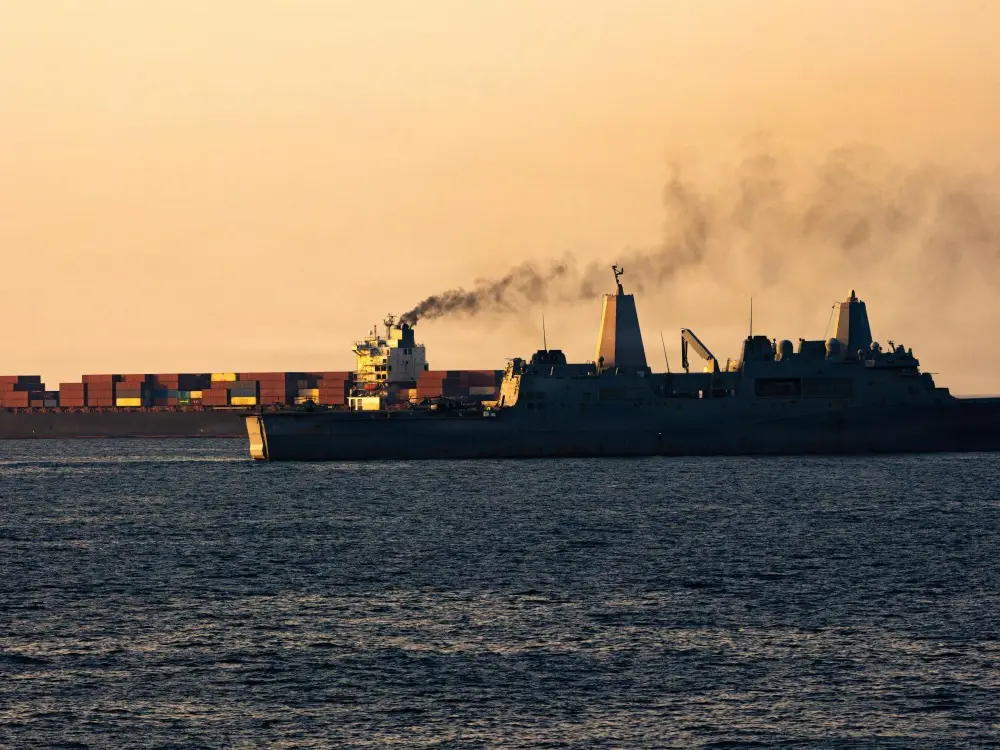
India summons Iranian diplomat after Indian sailor killed in Hormuz missile strike Photograph: (Credits: AFP)
India has summoned Iran's Deputy Ambassador after an Indian sailor was killed in Tehran's alleged cruise missile strike on two UAE tankers in the Strait of Hormuz. Scroll down to know why the attack has raised fresh concerns for thousands of Indian seafarers in the region.
New Delhi: India has summoned an Iranian Deputy Ambassador over the killing of an Indian seafarer after Iranian cruise missiles struck two UAE-owned tankers in the Strait of Hormuz. Indian officials have expressed concern over the safety of its large seafaring community. Thousands of Indian nationals work on merchant vessels in the region, often in high-risk areas.
Also read | Indian sailor killed, 8 other injured as Iran strikes UAE tankers in Strait of Hormuz: 'Grave violation' of international law
The attack, which took place on Monday within Omani territorial waters, marks a serious escalation in tensions across West Asia and threatens vital global oil shipping routes. The UAE Ministry of Defence identified the vessels as the oil tanker Mombasa and the LNG carrier Al Bahiyah. Both were hit by Iranian cruise missiles while navigating the southern shipping lane, the UAE said in a statement.
Also read | 'Pirate state': Lula attacks Trump as Rubio's Hormuz remarks come back to haunt White House
One Indian crew member died in the attack on the Mombasa. Eight others were wounded, including six Indian nationals and two Ukrainians, with four of the injured in serious condition. Fires broke out on both vessels but were later brought under control.
The UAE strongly condemned the strikes as "a blatant violation of international law" and a threat to regional security. "The UAE reserves its full right to respond to this escalation," it added. The incident comes amid heightened friction between Iran and its neighbours, with the Strait of Hormuz , through which about a fifth of the world's seaborne oil passes, remaining a flashpoint.
Shipping experts warn that renewed attacks on commercial vessels could drive up insurance costs and force more ships to take the longer route around Africa, further disrupting global supply chains already strained by previous Red Sea disruptions.
Disclaimer: WION takes utmost care to accurately and responsibly report ongoing conflicts in West Asia involving Israel, Iran, US, Gulf nations and non-state actors like Hezbollah, Hamas, Houthis, Islamic State, and others. Claims and counterclaims, disinformation and misinformation are being made online and offline. Given this context, WION cannot independently verify the authenticity of all statements, social media posts, photos and videos.
