India pushes for revisions to Indus Water Treaty with Pakistan

Indus Water Treaty?
India has once again called on Pakistan to amend or "review and modify" the Indus Water Treaty, with a diplomatic note sent to Islamabad on August 30, 2024. New Delhi has made a firm case, citing Article XII(3) of the treaty, which allows for amendments to emphasise the need for changes.
Under the Article, the treaty can be modified from time to time for which both governments need to sit for negotiations.
"Provisions of this treaty may from time to time be modified by a duly ratified treaty concluded for that purpose between the two Governments," it says.
India had last year also reached out to Pakistan seeking to "review and modify" the treaty, but no concrete response came from Islamabad.
Nearly a month has passed and Pakistanis yet to respond to India's diplomatic note sent in August. In the note, India highlighted the significant global changes since 1960 and stressed the importance of initiating talks to amend the treaty.
Watch |Indus Water Treaty: First Pakistan delegation since Article 370 abrogation arrives in Jammu
The Indus Water Treaty was originally signed in 1960 in Karachi by then-Indian Prime Minister Jawaharlal Nehru and then-Pakistani President Ayub Khan. One of the key reasons for seeking an amendment to the treaty is India's increasing reliance on hydropower and the need to accelerate clean energy development to meet its emission targets.
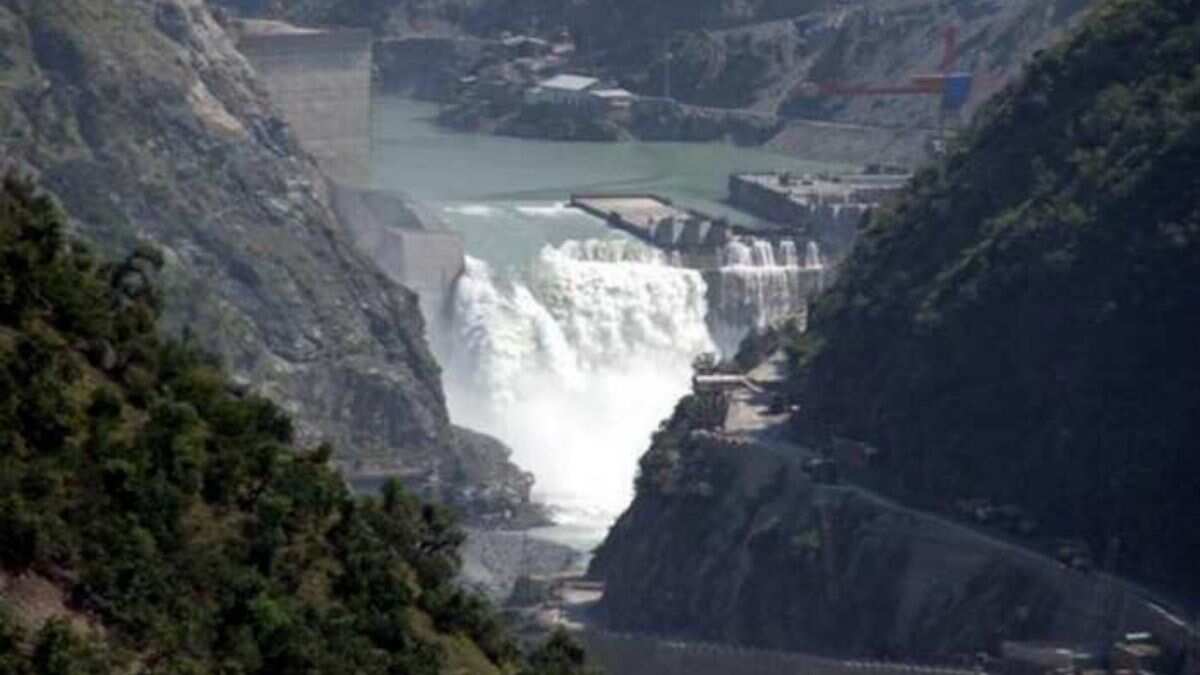
The push for amendments also arises amid controversy surrounding the Kishanganga and Ratle hydro projects. In response, the World Bank has simultaneously activated both the neutral expert mechanism and the Court of Arbitration to address the same issues. Consequently, India has called for a reconsideration of the treaty's dispute resolution mechanism.
Under the Indus Water Treaty of 1960, the water of three eastern rivers – Sutlej, Beas, and Ravi are allocated to India for unrestricted use while the waters of three western rivers – Indus, Jhelum, and Chenab go to Pakistan. Additionally, New Delhi has the right to generate hydroelectricity through the run of the river projects on the three western rivers, subject to specific criteria for design.