&imwidth=800&imheight=600&format=webp&quality=medium "US fears Iranians launched cyberattacks on oil tankers | Gravitas")
While missile and drone attacks have dominated the protracted Iran war, cyberwar is emerging as a new battlefield. After suffering damage to its military bases across West Asia, the US is now probing whether Iran launched cyberattacks on oil tankers.
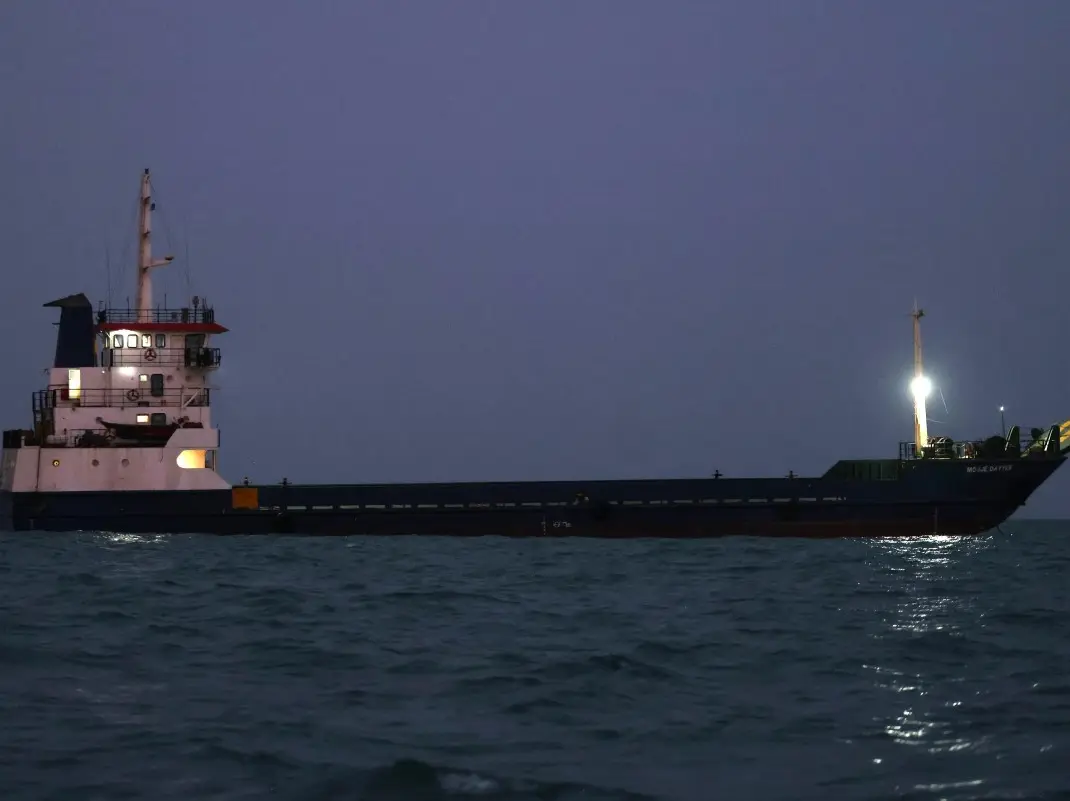
On August 21 and 24, a team of cyber experts from the FBI and US Coast Guard boarded two foreign-flagged commercial oil tankers in the Gulf of Mexico that were heading to Texas. The agencies had received complaints about network breaches on the vessels.
After assessing the potential harm to the ships, the teams did not detect any operational disruption or physical danger to the crews. However, Rear Admiral Amy Grable, who heads the US Coast Guard's cyber command, told CBS News that investigators did find evidence of malicious cyber activity.

While the US has not directly blamed Iran, Iran's Mehr News Agency reported a cyberattack on one of the vessels, VL Prosperity, on August 20.
VL Prosperity is a supertanker capable of carrying roughly 2.3 million barrels of oil. It departed from Egypt's Sidi Kerir port on August 1.
According to Mehr News Agency, the vessel was targeted in a major cyberattack in the Strait of Gibraltar on August 7. The report claimed that hackers infiltrated the vessel's engine room systems.
Trending Stories
The hackers allegedly reduced the engine's cooling flow, increased the engine speed and disabled its fuel and engine oil tank systems. Crucially, the report claimed that all communications on the vessel were cut off for around 30 hours.
However, the report did not identify who was responsible for the attack.
Modern commercial vessels increasingly rely on internet-connected systems for navigation, propulsion and steering. A successful cyberattack could potentially cause a vessel to block a waterway, trigger a pollution incident or create security hazards for ports and waterways.
Even a relatively small disruption can have a major economic impact, given the importance of commercial shipping and oil supplies.
American agencies, including the FBI, have also issued advisories warning critical infrastructure stakeholders about alleged Iranian-affiliated cyber hacking activity.
According to the agencies, these threats pose a serious concern to America's drinking water and wastewater systems, as well as sectors that rely on them.
In July this year, more than 30 community water systems in Minnesota were targeted in a coordinated cyberattack. Subsequently, the FBI warned that cyberattacks had been reported in at least seven US states and had degraded water operations.
According to reports, US agencies are probing a possible Iranian connection to these attacks.
It remains to be seen what steps the US can take to minimise the risk of such incidents and protect critical infrastructure from potential cyberattacks.