&imwidth=800&imheight=600&format=webp&quality=medium "Why is this temple covered with thousands of rats?")
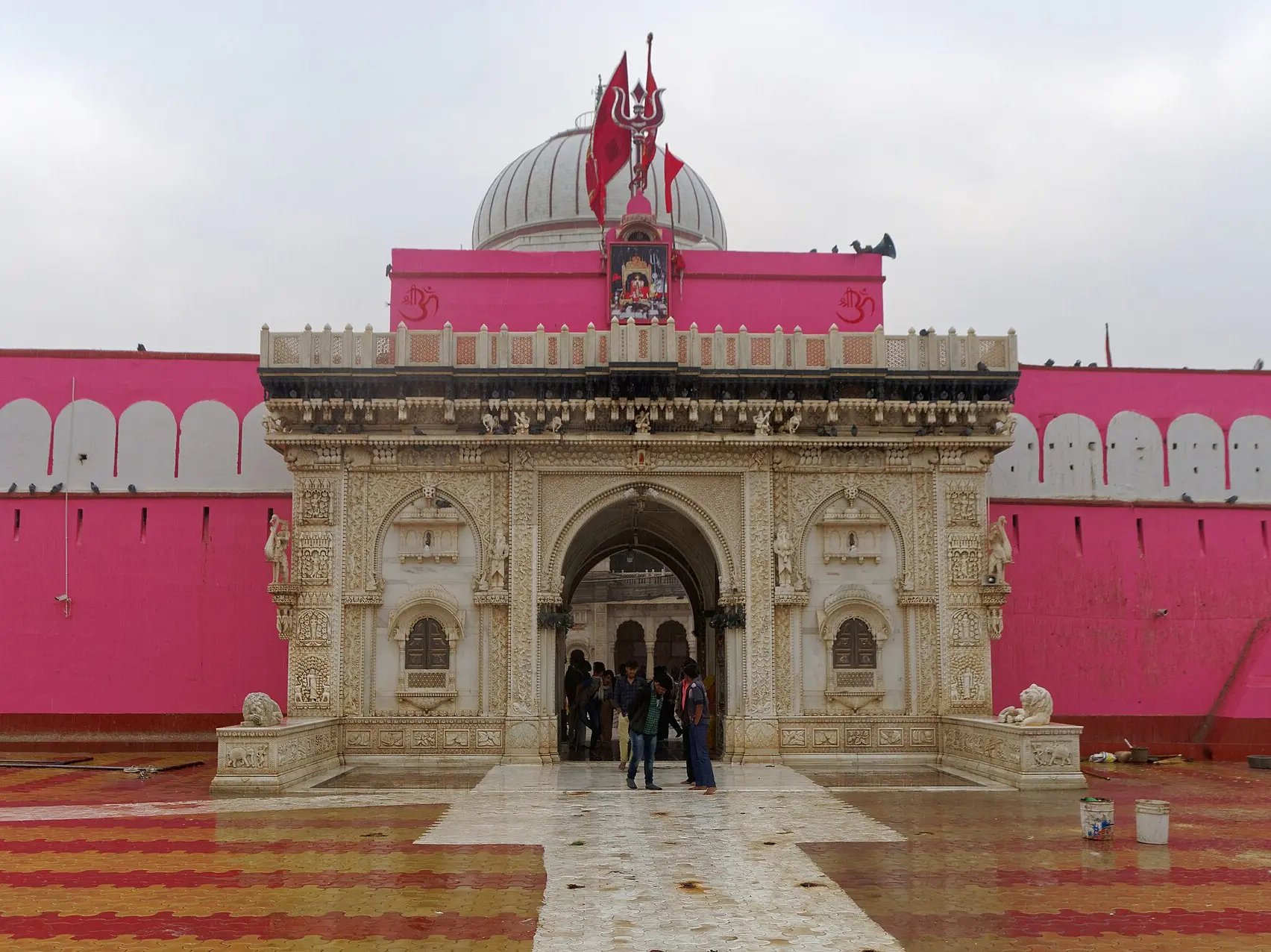
When travellers think of historic temples in Rajasthan, they usually picture quiet courtyards. However, the Karni Mata Temple in Deshnoke offers an entirely different experience. Located 30 kilometres south of Bikaner, this 600-year-old Hindu shrine is famously inhabited by an estimated 25,000 free-roaming rats. While it might sound unusual, these rodents are highly protected. According to official reports from the Rajasthan Tourism Department, here is exactly why this specific site is covered with rats.
The legend of reincarnated souls
The primary reason behind the massive rat population is a deep-rooted religious belief. The temple is dedicated to Karni Mata, who is considered an incarnation of the Goddess Durga. According to local historical texts, when Karni Mata's stepson Lakshman drowned in a nearby pond, she begged the god of death, Yamraj, to revive him. Yamraj eventually agreed, decreeing that Lakshman and all of Karni Mata's male descendants would be reincarnated as rats. Locally known as kabbas, these rats are treated as sacred family ancestors.

White rats and sacred offerings
While the vast majority of the 25,000 kabbas are black or brown, there are a few rare white rats scattered throughout the complex. Devotees believe these specific white rodents are the direct manifestations of Karni Mata and her immediate family. Spotting one is considered highly auspicious. Furthermore, the feeding rituals are completely unique. Devotees offer bowls of milk, sweets, and grains to the rats. Once the rats nibble on the food, the leftovers are distributed to visitors as prasadam (holy offerings).
Strict rules and temple hygiene
Trending Stories
Despite the overwhelming number of rodents, the temple maintains a strict set of rules to protect them. Visitors must walk barefoot across the marble floors and must take extreme caution not to step on the animals. If a person accidentally kills a rat, temple laws mandate that they must replace the animal with a solid silver or gold statue. Interestingly, despite thousands of humans and rodents sharing the same enclosed space daily, public health records indicate there has never been an outbreak of rat-borne diseases originating from the temple.
The Karni Mata Temple provides a stark look at how religious devotion shapes daily life in India. The site operates every day from 4:00 AM to 10:00 PM. While there is no general admission charge, visitors must pay a nominal camera fee of Rs 30 or a video camera fee of Rs 70.