Navratri decodes: Why is Garba performed in a circle? The spiritual meaning behind the tradition

&imwidth=600&imheight=450&format=webp&quality=medium "Navratri decodes: Why is Garba performed in a circle? The spiritual meaning behind the tradition")
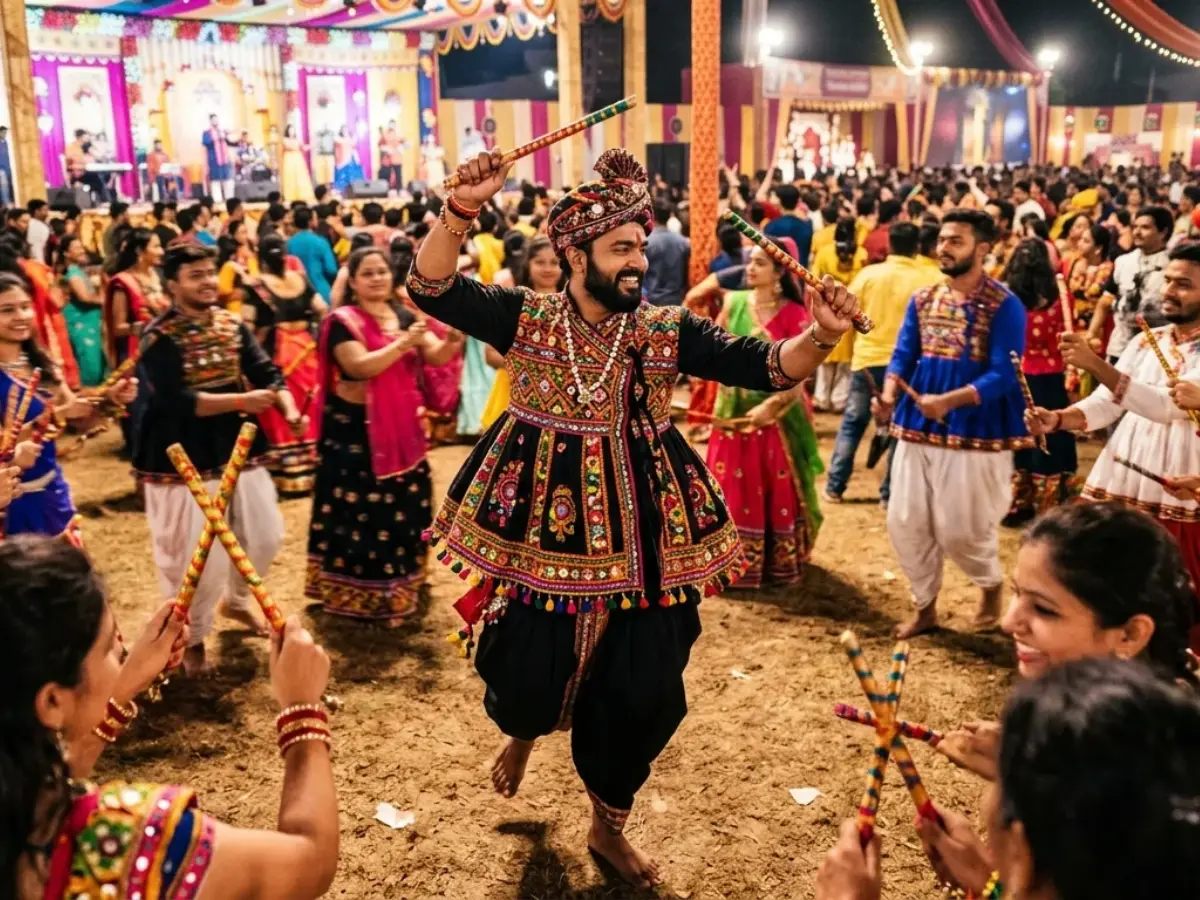
Garba dance Photograph: (Ai-generated)
Navratri 2026 comes to an end. Know the significance of Garba’s circular movements and how this age-old tradition celebrates life, devotion, and unity.
As this year’s Navratri celebrations are about to end, the festival will leave behind memories of devotion, the sounds of folk instruments, colourful outfits, festive music, and energetic Garba nights until next year. For nine days, devotees honour Maa Durga in all her nine forms at home, with hearts full of emotion and devotion. Apart from following the traditions and rituals, playing Garba with your friends and family is one of the joyous parts of the festival, but have you ever wondered why it is traditionally performed in a circle? The formation is more than just a dance pattern, as it carries deep spiritual and cultural significance.
Why is Garba performed in a circle?
The circular movements of the Garba are full of spiritual significance. Garba is a devotional dance performed in honour of Shakti, the feminine divine energy, commonly during Navratri.
The circle is often associated with the cycle of life, the cyclical nature of time, symbolising birth, death and rebirth. The formation reflects the idea of a life that is constantly changing and has no beginning or end, suggesting that divine energy remains constant.
Usually, people walk or play around a central object, like a decorated earthen pot with a lighted diya or an image of the goddess Amba. The lamp in the centre is symbolic of the divine light and energy and the circle of their devotion to the Goddess.
What does the word 'Garba ' mean?
We know Garba as a dance form since our childhood, but the name itself carries its own symbolism. It comes from the Sanskrit word garbha, meaning womb, and is associated with life, creation, and feminine energy.
Garba is traditionally danced around a decorated earthen pot with a lamp inside. The pot represents the womb, and the light is the divine energy within it. The ritual honours the feminine power of the Goddess and the life-giving force she represents.
The dance itself is quite lively, with a lot of clapping, twirls, and synchronised footwork, all to traditional folk music with instruments such as the dhol. The beat goes up, and the people begin to move in circles together in an atmosphere of devotion and celebration.
At its core, Garba has now become a community tradition that brings people from all over the world together under one roof despite social and language barriers. Passed down through generations, it continues to connect devotees with their cultural roots while keeping the spirit of Navratri alive.

