US may increase tariffs after World Trade Organisation rejects European union claims over Airbus

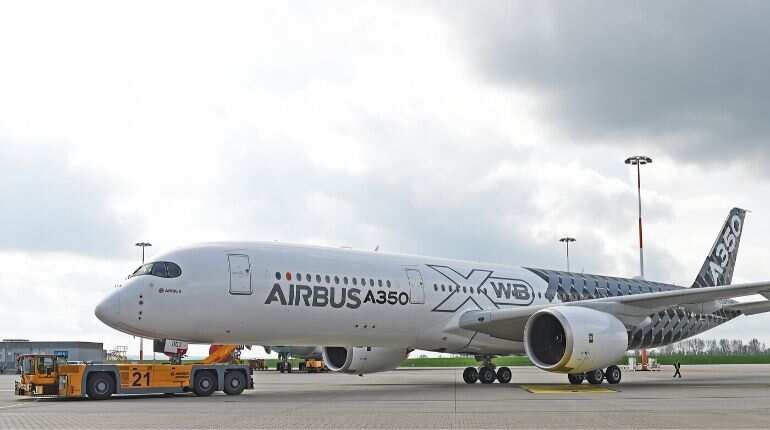
A350 XWB
The World Trade Organization on Monday rejectedEuropean Unionclaimsthat it no longer provides subsidies to planemakerAirbus, prompting the United States to say it couldincreaseretaliatorytariffson a wider range ofEuropean goods.
A new compliance report from the Geneva trade watchdog found that theAirbusA380 and A350 jetliners continue to be subsidised as a result of pastEuropean government loans.
USTrade Representative Robert Lighthizer said the decision affirmed thatEuropean subsidies toAirbuscontinued to harm theUSaerospace industry, and strong action was required to eliminate such market-distorting subsidies.
It was the latest salvo in a record transatlantic trade dispute involving mutualclaimsof illegal aircraft subsidies, which comes to a head at a time of rising global trade tensions and has grabbed the attention of financial markets this year.
The United States was in October awarded the right to imposetariffson $7.5 billion of annualEUimports in its case againstAirbus. It placed partialtariffson mostAirbusjets and products from cheese to olives and single-malt whisky.
A decision on retaliation rights for theEUin a parallel case on aid for Boeing is due next year.
Officials on both sides have expressed support for a negotiated settlement, while accusing the other of failing to take the prospect of a negotiated solution seriously.
In Monday's finding, a three-person panel rejectedEUclaimsthat a recent decision byAirbusto stop producing the slow-selling A380 meant the giant airliner could no longer be seen as a threat to Boeing, whose competing 747 is also out of fashion.
While theWTOno longer faultedAirbusfor causing lost sales to Boeing with the A380, which is no longer marketed, it ruled that the superjumbo would cause market-share damage to Boeing for as long as it is produced and delivered.
Airbusplans to shut production in mid-2021.
TheWTOappeared to strengthen findings against the A350, saying it had both cost sales and damaged Boeing's market-share prospects - a process called impedance - in the busier twin-engined long-haul market where Boeing offers its 787 Dreamliner.
A previousWTOruling had focused only on lost sales.
The latest report put the world's largest corporate trade dispute squarely on the agenda for newEUTrade Commissioner Phil Hogan, who started his term on Sunday.
The Commission said the new findings contained serious legal errors and that it would consider its next steps, including a possible appeal, while seeking an accord with the United States.
USTR, which imposedtariffsof 10 per centon large civilEUaircraft and 25 per centon selected farm and other products in October, said it would look at raising tariff rates and subjecting additionalEUproducts to thetariffs. It gave no immediate details on the size of the possibleincreases, or which products could be added to the current list.
As so often following the dozens of rulings in the 15-year-old trade case,Airbusand Boeing were left starkly at odds.
Boeing claimed a complete loss for itsEuropean rivalAirbus, which it said continued to harm theUSaerospace industry by receiving billions ofeuros in illegal aid.
Airbussaid theWTO's decision to drop previous references to the A380 causing lost sales to Boeing meant the United States should slash its authorisedtariffsby $2 billion to $5.5 billion.
The USTR rejected that argument, saying it saw no basis in the report to justify reducingUSretaliatorytariffs.
USsources said only full compliance or a political settlement - which is widely seen as remote amid fragile economic ties - could legally cancelWTOapproval fortariffs.
European executives warned against a "lose-lose" trade war.
Both sides can appeal the latest finding but doing so could place theWTOin uncertain legal territory, experts said.
TheWTOAppellate Body will cease to functionafterDecember 10, due toUSblocking of new appointments, leaving a tight deadline for a challenge to Monday's ruling.
Appeals launchedafterthat risk falling into a legal void, and it is unclear if the body will be allowed to rule on appeals filed before then.