Why sleep tourism is growing in popularity post-pandemic

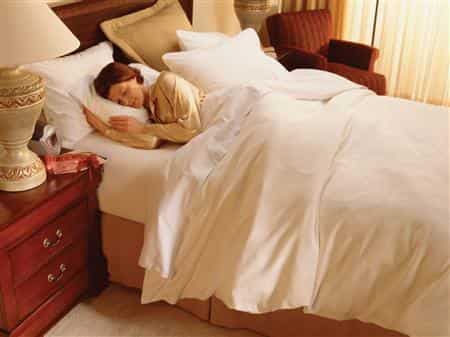
A woman sleeps in a hotel room in an undated photo.
Going on vacation may seem like a strange method to try to change your sleeping patterns. But during the past several years, sleep tourism has become increasingly popular, with more sleep-focused stays appearing in hotels and resorts all over the world.
Since the pandemic, interest has surged, and some well-known organisations are now concentrating their attention on persons who are sleep deprived.
A 900-square-foot room at Park Hyatt New York was introduced during the past 12 months dubbed the Bryte Restorative Sleep Suite, while Rosewood Hotels & Resorts has unveiled a line of getaways called the Alchemy of Sleep that is intended to "promote rest."
The world's first Hästens Sleep Spa Hotel, a 15-room boutique hotel, was constructed in the Portuguese city of Coimbra a year after Zedwell, London's first sleep-centric hotel, which offers rooms with cutting-edge soundproofing, opened its doors in early 2020.
This appears to have been significantly influenced by the worldwide epidemic. 40% of the more than 2,500 people who participated in the study published in the Journal of Clinical Sleep Medicine said that their sleep quality has declined since the pandemic's beginning.
If a reputable medical or scientific expert is involved in some way to help determine whether there may be something else at play, Dr Robbins claims that travel experiences focused on "healthy sleep strategies" that aim to give visitors the tools they need to improve their sleep can be incredibly beneficial.
Dr Robbins emphasises that there are a plethora of unexplored possibilities when it comes to travel and the science of sleep and that she is interested in watching "who really continues to pioneer and think creatively about this space" as sleep tourism develops.
(with inputs from agencies)