&imwidth=800&imheight=600&format=webp&quality=medium "Why did the FBI black out Trump's name from Epstein Files?")
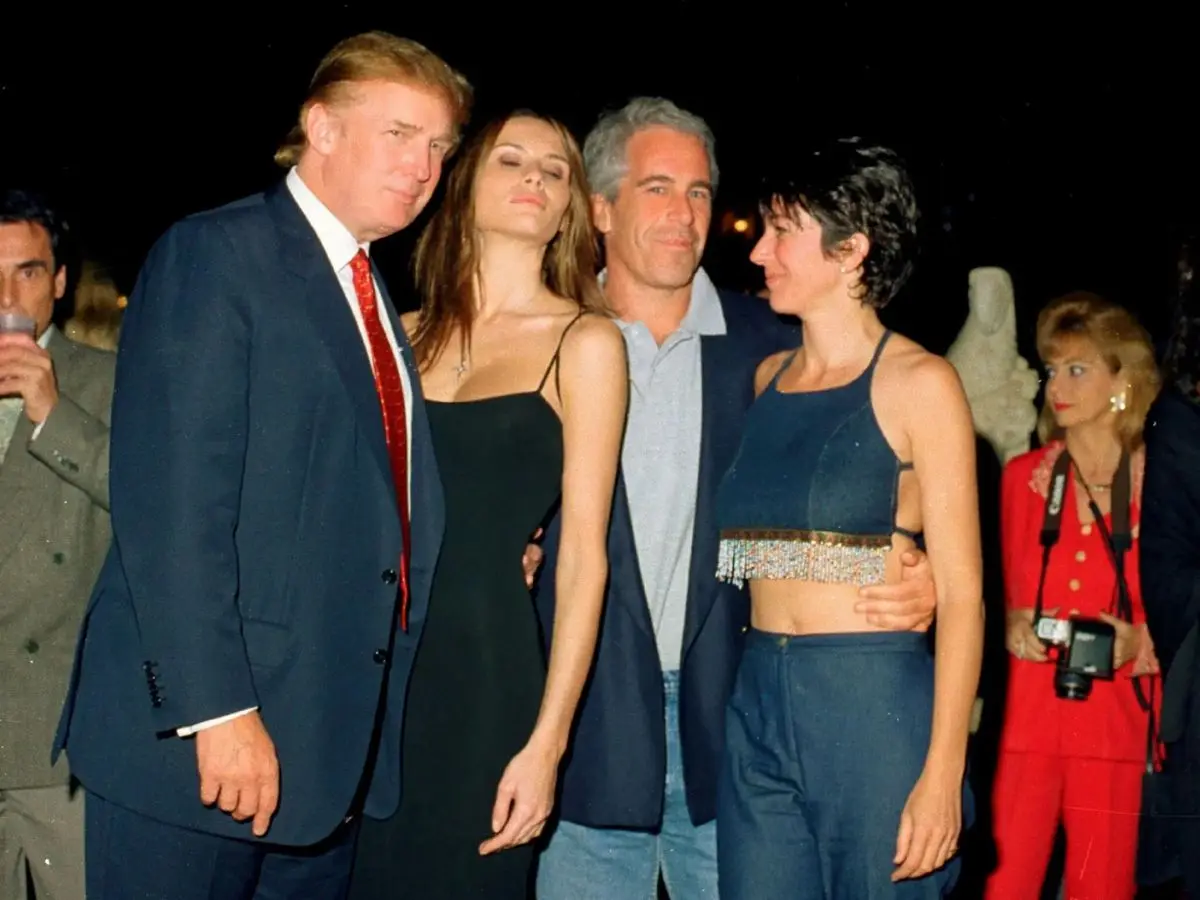
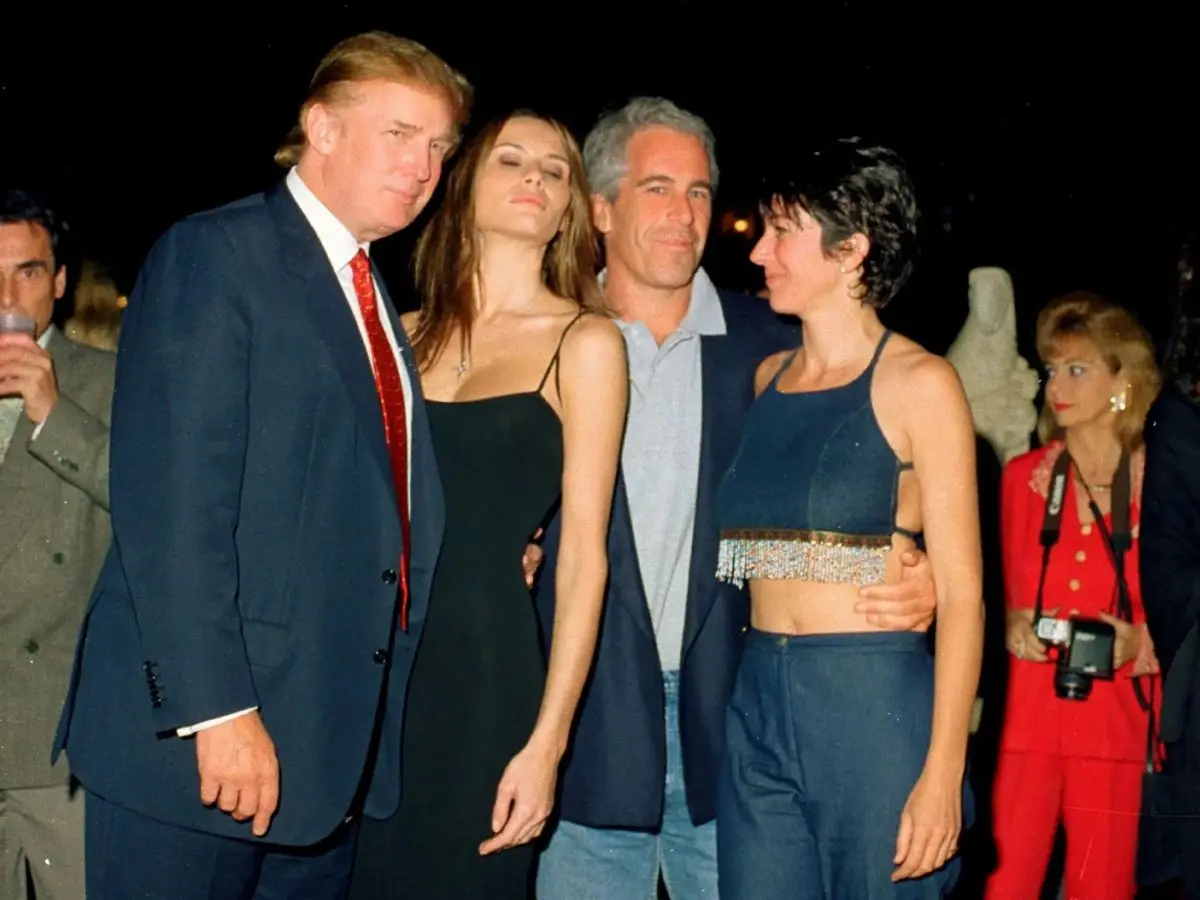
In the never-ending saga of long-shadowed Epstein files, questions are now swirling around the FBI’s decision to redact former President Donald Trump's name from the documents relating to the Epstein associates. A recent report by Bloomberg cites why Trump's name was redacted from the Epstein-related records.
Earlier in Mid July, Senator Richard Durbin asked in letter to the Attorney General Pam Bondi, FBI Director Kash Patel, and Deputy FBI Director Dan Bongino, “According to information my office received, the FBI was pressured to put approximately 1,000 personnel in its Information Management Division (IMD) … on 24-hour shifts to review approximately 100,000 Epstein-related records to produce more documents that could then be released on an arbitrarily short deadline.” “Who decided to reassign hundreds of New York Field Office personnel to this March review of Epstein-related records? Why were personnel told to flag records in which President Trump was mentioned?” wrote Durbin
The rationale, even though baffling, but not uncommon. According to the Bloomberg report, prior to potential public release, when the document was with the FOIA officers, they applied redaction with nine exemptions. Particularly for the case of Trump, there were two exemptions. Exemption 6, which protects individuals from “an unwarranted invasion of personal privacy.” The report cites sources which claim that Trump was a private citizen when the Federal Investigation of Epstein was launched in 2006. Thus, it excludes the release of documents that might result in embarrassment to the person. The second is 7C, which exempts the release of personal information contained in law enforcement records.

This is not the first documented use of an exemption to conceal information from the public; it is a common practice for government agencies to use privacy grounds to defend public figures like the US President Donald Trump. While FOIA redactions are not unusual, critics argue a broader pattern of selective shielding when it comes to politically powerful figures.