WATCH | Iran claims it has shot down US F18 fighter jet, shares video

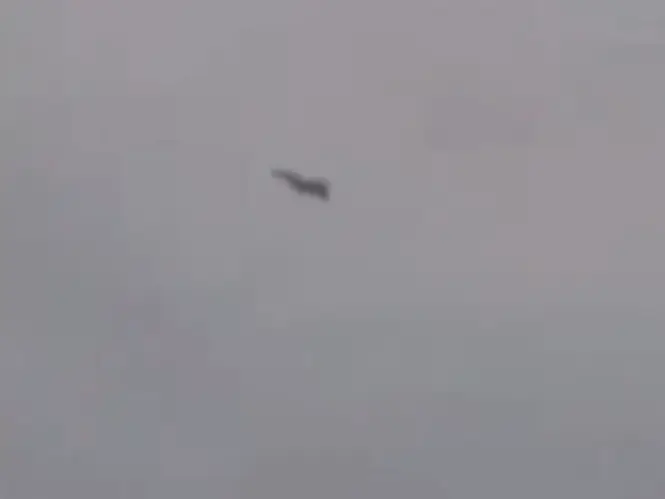&imwidth=600&imheight=450&format=webp&quality=medium "WATCH | Iran claims it has shot down US F18 fighter jet, shares video")
Screenshot from the video Photograph: (X (@IRANinMumbai))
IRGC claims it struck a US F-18 fighter jet amid rising tensions, but offers no details. The US has not confirmed the incident so far
Iran’s Islamic Revolutionary Guard Corps (IRGC) on Wednesday (March 25) claimed it has struck a US F-18 fighter jet, signaling a potential escalation in tensions between Tehran and Washington. The IRGC said the aircraft was ‘successfully targeted’, but did not provide details on the location, level of damage, or the pilot’s status.
There has been no immediate confirmation from the US military, which has previously rejected similar Iranian claims during past confrontations. Footage shared online, including by Iran’s state-linked Press TV, appears to capture a fighter jet in flight before a sudden flash occurs close to the aircraft, indicating it may have been struck mid-air. Moments later, the jet seems to become unstable, trailing what looks like a plume that could suggest damage or a loss of control. Although the clip is short, it points to a possible aerial incident. The video has not been independently verified.
Watch the video here
The development comes shortly after Iran turned down a US-backed ‘ceasefire’ proposal, warning that military operations will continue until its own conditions are satisfied. A senior official, speaking to Press TV, said Tehran has rejected Washington’s 15-point plan, stressing that any ceasefire would only take place on its own terms and timeline'.
Shortly before the claims involving the F/A-18, Iran said its navy had launched Qader cruise missiles toward the US aircraft carrier USS Abraham Lincoln, asserting that the strike forced the vessel to reposition. Tehran framed the action as a demonstration of its maritime sovereignty.
Disclaimer: WION takes utmost care to accurately and responsibly report ongoing conflicts in West Asia involving Israel, Iran, the US, Gulf nations, and non-state actors like Hezbollah, Hamas, Houthis, Islamic State, and others. Claims and counterclaims, disinformation and misinformation are being made online and offline. Given this context, WION cannot independently verify the authenticity of all statements, social media posts, photos, and videos.

