US: FDA approves first vaccine for pregnant women to safegaurd infants from RSV

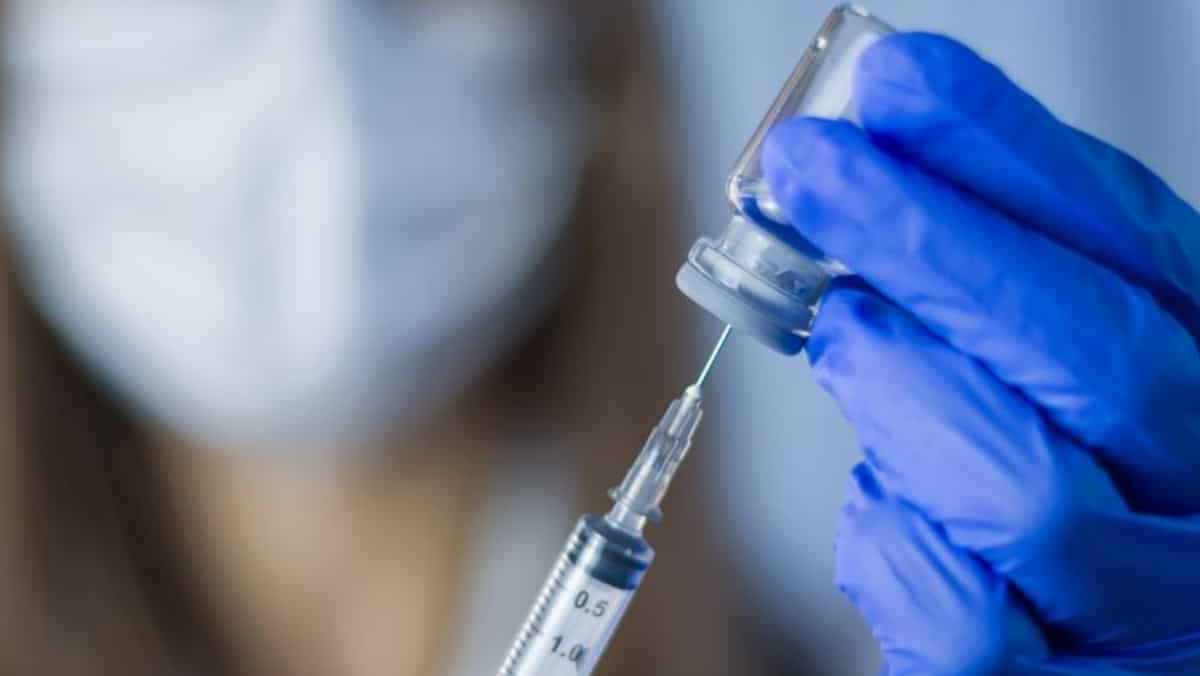
RSV is a highly contagious virus responsible for respiratory infections across all age groups
The US Food and Drug Administration (FDA) has granted approval for a groundbreaking vaccine, Abrysvo, for pregnant women tosafeguard infants from birth up to 6 months of age against lower respiratory tract disease (LRTD) and severe LRTD caused by respiratory syncytial virus (RSV), the federal health agency said in a press release.
Notably, this is the first vaccine of its kind. Earlierin May, the federal agency approved Abrysvo for the prevention of LRTD caused by RSV in individuals aged 60 years and older.
Director of the FDA’s Center for Biologics Evaluation and Research, Peter Marks, said, “RSV is a common cause of illness in children, and infants are among those at highest risk for severe disease, which can lead to hospitalisation".
“This approval provides an option for healthcare providers and pregnant individuals to protect infants from this potentially life-threatening disease," he added.
What is RSV?
RSV, a highly contagious virus responsible for respiratory infections across all age groups, especially impacts infants, making them susceptible to severe respiratory illness requiring hospitalisation. The approval of Abrysvo offers a vital preventive measure for pregnant women to shield infants from the potentially life-threatening effects of RSV.
Also Read | North Korea threatens 'thermonuclear war' over Camp David summit and US-South Korea drills
Abrysvo is intended for administration during the gestational age of 32 to 36 weeks and involves a single-dose injection into the muscle. However, it is noteworthy that pregnant women who were highly susceptible to preterm birth were generally kept out of Abrysvo's clinical studies, the FDA press release said.
Abrysvo side-effects
Certain side effects were noticed among pregnant women who received the vaccine. These included pain at the injection site, headache, muscle pain, and nausea. Additionally, a rare but significant hypertensive disorder, pre-eclampsia, occurred more frequently among those who received Abrysvo compared to the placebo.
Watch | Beijing's fruit diplomacy turns sour as China bans imports of Taiwanese mangoes
FDA said in a press release, "In addition, although not commonly reported, a dangerous hypertensive disorder, known as pre-eclampsia, occurred in 1.8% of pregnant individuals who received Abrysvo compared to 1.4% of pregnant individuals who received placebo. In the safety studies, low birth weight and jaundice in infants occurred at a higher rate in the pregnant Abrysvo recipients compared to pregnant placebo recipients."
Results of the study
Within 90 days after birth, Abrysvo showcased an 81.8 per cent reduction in severe LRTD risk and a 69.4 per cent reduction within 180 days after birth. For pregnant individuals at 32 to 36 weeks gestational age, Abrysvo led to a 34.7 per cent reduction in LRTD risk and an impressive 91.1 per cent reduction in severe LRTD risk within 90 days after birth.
Looking at the 180-day mark, Abrysvo demonstrated a 57.3 per cent reduction in LRTD risk and a 76.5 per cent reduction in severe LRTD risk compared to the placebo.
WATCH WION LIVE HERE
You can now write for wionews.com and be a part of the community. Share your stories and opinions with us here.