Qatar, Indonesia, UAE, Pakistan vote against UN debate on China's oppression of Uyghurs

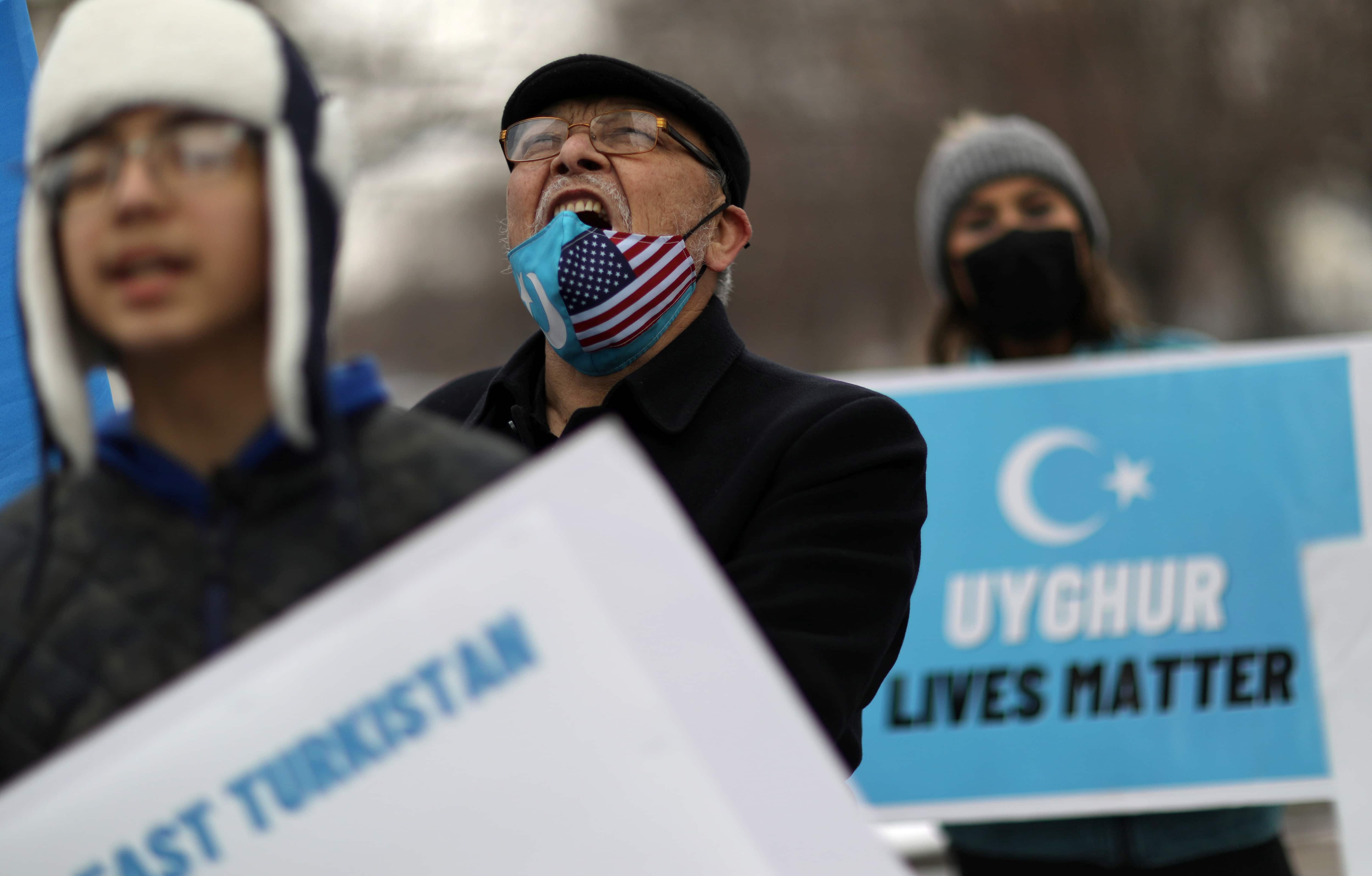
Uyghur Muslims protest
The West-led motion to hold a debate about alleged human rights abuses by China against Uyghurs and other Muslims in the Xinjiang province in UN rights council was rejected by vote on Thursday with Muslim majority nations likeQatar, Indonesia, the United Arab Emirates and Pakistan casting votes against the motion and pre-empting the discussion.
The defeat saw 19 votes polled against, 17 for and 11 abstentions in the voting. The United States, Canada and Britain were among the countries that had brought the motion.
India was one of the countries which abstained from vote, besidesBrazil, Mexico, and Ukraine.
This was only the second instance of a motion being rejected in the council's 16-year history. Experts are looking at it as a setback to both accountability efforts, the West's moral authority on human rights and the credibility of the United Nations itself.
"This is a disaster. This is really disappointing," said Dolkun Isa, president of the World Uyghur Congress, whose mother died in a camp and whose two brothers are missing.
"We will never give up but we are really disappointed by the reaction of Muslim countries," he added.
Qatar, Indonesia, the United Arab Emirates and Pakistan were among those who rejected the motion. Pakistan said the vote risked alienating China. Phil Lynch, director of the International Service for Human Rights, called the voting record "shameful" on Twitter.
China's foreign ministry issued a statement late Thursday, saying, "Xinjiang-related issues are not human rights issues at all, but issues of counter-terrorism, de-radicalisation and anti-separatism."
The post further said that the motion was an attempt by the United States and some Western countries to "use the UN human rights body to interfere in China's internal affairs".
China's envoy had warned before the vote that the motion would create a precedent for examining other countries' human rights records.
"Today China is targeted. Tomorrow any other developing country will be targeted," said Chen Xu, adding that a debate would lead to "new confrontations".
The UN rights office had released a long-delayed report on August 31 that found serious human rights violations in Xinjiang that may constitute crimes against humanity.
Rights groups accuse Beijing of abuses against Uyghurs, a mainly Muslim ethnic minority that numbers around 10 million in the western region of Xinjiang, including the mass use of forced labour in internment camps.
(With inputs from agencies)

