

&imwidth=800&imheight=600&format=webp&quality=medium "WATCH | Fighter jets fly in perfect sync without a single human pilot")
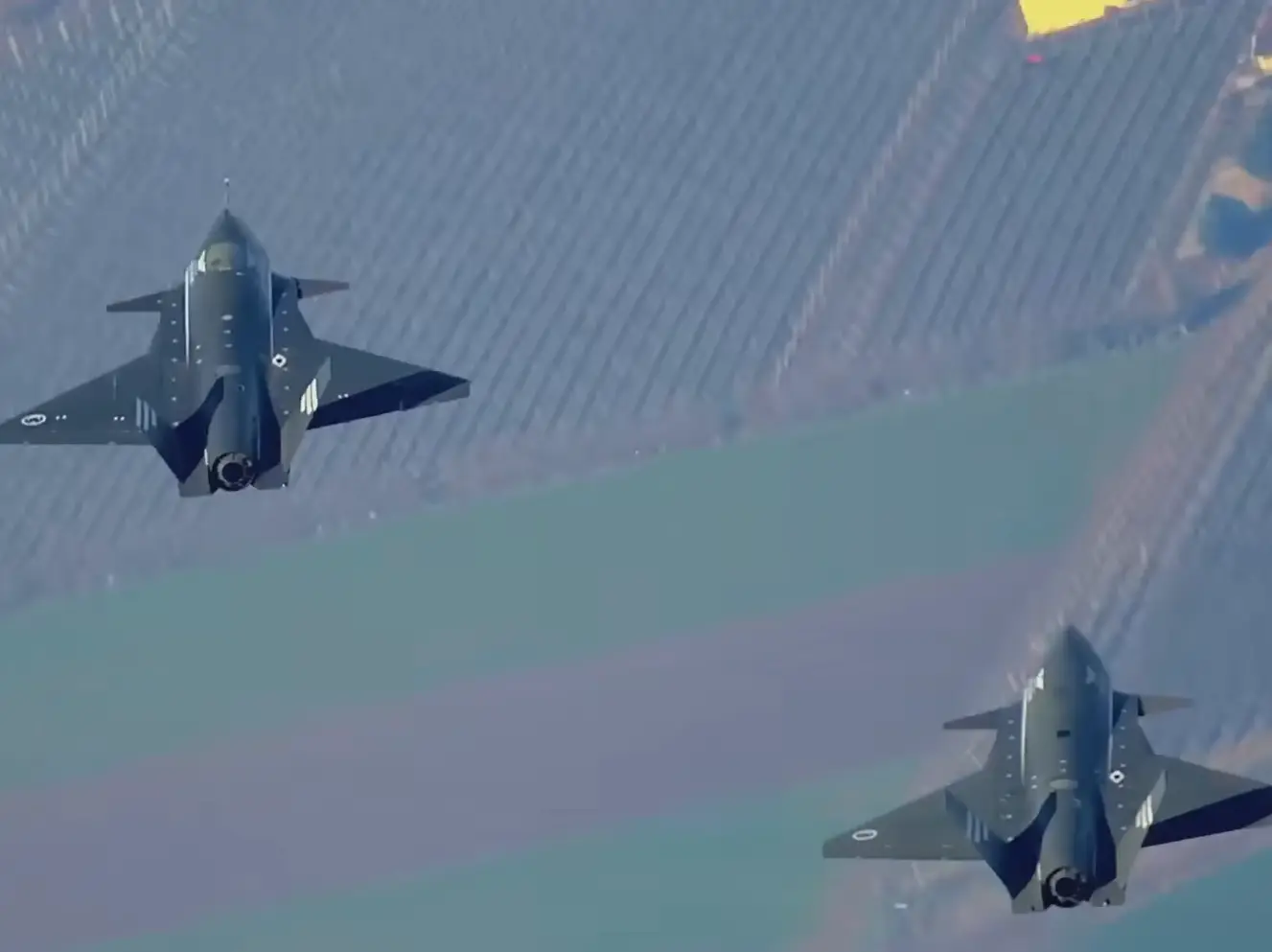
Turkish defence firm Baykar conducted a public demonstration of advanced autonomous formation flying, the future of network-centric warfare. It is considered to be the most complex challenge in unmanned aviation, requiring precision, synchronisation, and risk mitigation. The Turkish defence firm Baykar released footage on December 28 of two unmanned Kizilelma drones featuring the platform’s advanced flight control algorithm.
What is autonomous formation flying?
Autonomous formation flying is when two or more unmanned aircraft fly in close coordination with each other, traditionally done by highly trained pilots. The aircraft uses onboard artificial intelligence, sensors, real-time decision algorithms and data sharing for coordinated manoeuvres to maintain formation, dynamic pathfinding, and avoid collision without any remote controls or human pilots. According to Baykar, Kizilelma drones do not need to be piloted; they only require to be commanded. Ground team will set objectives, define rules of engagement and authorise weapon release.
How are autonomous drones significant?
Unlike ordinary drones, which are focused on surveillance or limited strikes, autonomous drones can be used for swarming operations in hostile environments, aerial dogfights, and assistance for fighter jets. It has a payload capacity of about 1,500 kg for weapons and mission equipment, with a combat radius of 500 nautical miles and can engage in beyond visual range combat. It uses the Gökdoğan BVR missile, with a range of 100-200 km. It is now in advanced flight test phase and can be operationally deployed with the Turkish Navy and Air Force within the next 12 to 18 months.

