

&imwidth=800&imheight=600&format=webp&quality=medium "Trump to reconsider tariffs on India? US president says ‘have to think’ about trade duties on Russian oil buyers")
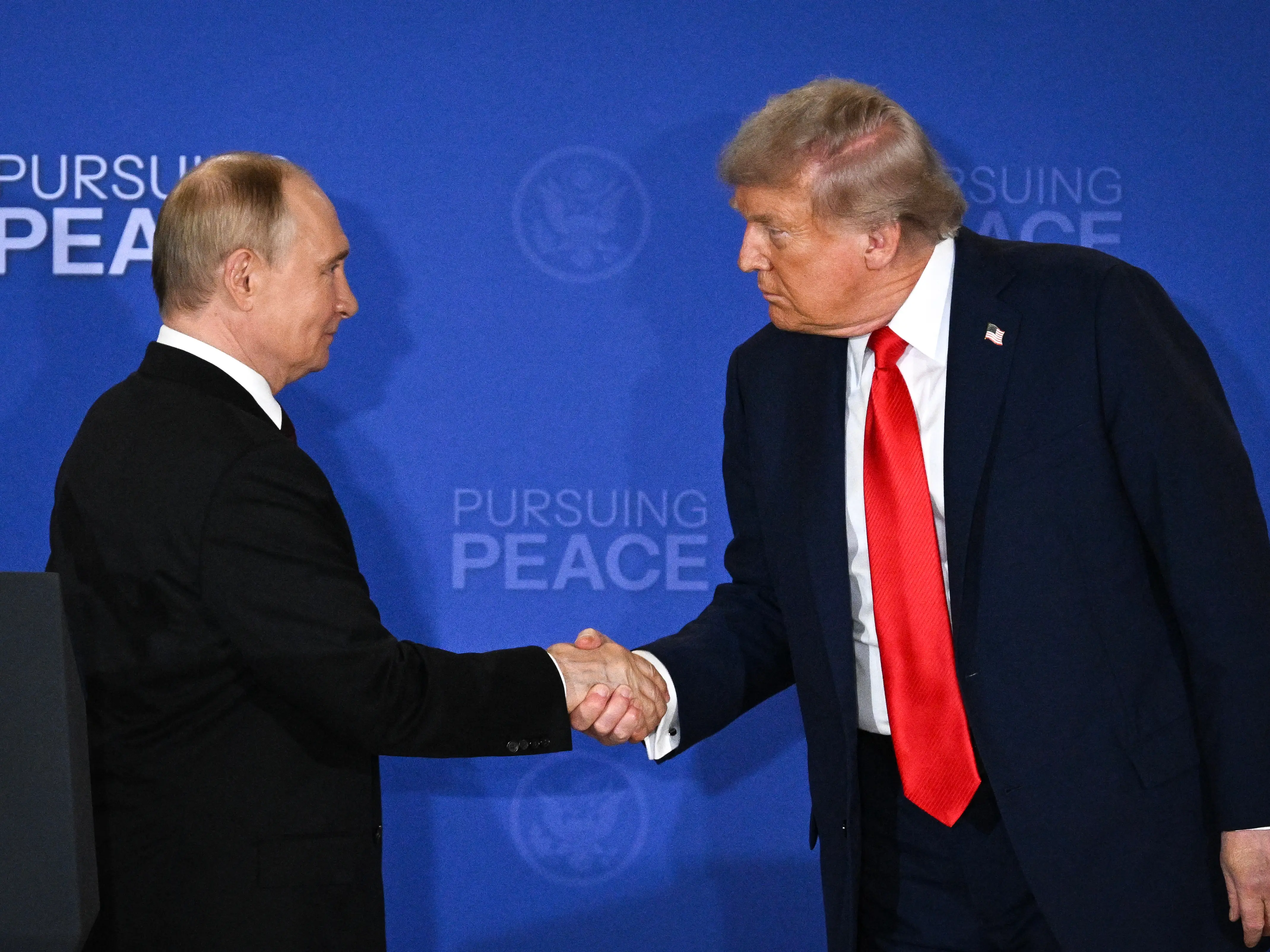
US President Donald Trump on Friday (Aug 15) said that he may have to think about tariffs on Russian oil buyers “in two or three weeks” following his meeting with President Vladimir Putin in Alaska. This comes after Trump threatened to impose sanctions on Moscow and secondary sanctions on nations that buy its oil if no progress is made in negotiations to end the war in Ukraine. Last week, the US president imposed additional 25 per cent tariffs on India, citing its continued purchase of Russian oil.
Following the Alaska Summit, during which he met with Putin to discuss an agreement on a ceasefire in Ukraine, Trump said that he did not immediately need to consider retaliatory tariffs on countries for buying Russian oil, adding that he might have to think about it “in two or three weeks.”
Trump has not imposed any sanctions or tariffs on China, the largest buyer of Russian oil, for similar reasons. When asked whether he was considering such actions against Beijing, after no agreement was announced by the two leaders following the meeting, Trump said, “Well, because of what happened today, I think I don’t have to think about that.”
“Now, I may have to think about it in two weeks or three weeks or something, but we don't have to think about that right now. I think, you know, the meeting went very well,” Trump said.
Russia ‘lost oil client’ India
During an interview with Fox News aboard Air Force One on his way to Alaska on Thursday (Aug 14), the US president said that Russia lost its “oil client” – India, when asked if there was any economic side to his Russian counterpart agreeing to hold a meeting.
“Well, they lost an oil client so to speak, which is India, which was doing about 40 per cent of the oil, China as you know is doing a lot...and If I did secondary sanctions, it would be devastating from their standpoint.. If I have to do it, I’ll do it, may be I won’t have to do it,” Trump said.
Meanwhile, India said that it has not halted its oil purchase from Russia following Trump’s tariff threats and continues to buy over economic considerations.

