100 years after disappearing, bettongs are bouncing back on South Australian mainland

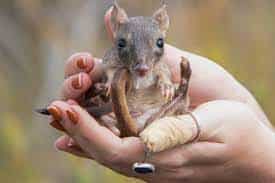
Bettongs- rabbit-sized kangaroos bounce back in Australia
More than 100 years after disappearing from the South Australian mainland — the brush-tailed bettong — a rare and cute marsupial resembling a rabbit-sized kangaroo is bouncing back into the region.
The number of these rabbit-sized kangaroos, which leap with their hindlegs much like a full-sized kangaroo decreased almost two centuries ago. Before falling prey to cats and foxes, the bettongs populated over 60 per cent of Australia.
The bettongs are back!
The bettongs are now making a comeback in the Yorke Peninsula of South Australia after wildlife scientists released 120 of them over a period of two years to see if they could survive outside of predator-proof enclosures, reports the Guardian newspaper.
ALSO READ |Love remote jobs? British wildlife group has an opportunity on one of world's most isolated places
Researchers stated that as per new observations, these bettongs are thriving intheir new home.Since the news was posted on Twitter, it has been retweeted by several users who commented on how adorable these tiny little creatures are!
Intensive cat and fox control programme
As their number decreased from tens of millions to an estimated 12,000 to 18,000, bettongs have survived due to the protected enclosures provided for them on Australian islands and Western Australia. The return of the bettong was aided by an intensive cat and fox control programme, which kept these tiny creatures under protected enclosures.
Little animals play a big role
Derek Sandow, an ecologist for the Northern and Yorke Landscape Board also welcomed the happy news by stating that "it's fantastic to see so many new animals in the population."
WATCH |Gravitas: Rare canary species threatened in the UK
These mini kangaroos have got a powerful hind legs, carry their young ones in their pouch and only weigh a kilo and a half. Even though they are small, they’ll create their little nests underneath dense vegetation.
These tiny creatures play a significant role in Australia’s environment, Sandow told the AFP. Explaining his point, headded, "They dig a lot. A little bettong can move tonnes of soil per year. So they dig in the ground, and they create little microhabitats for water infiltration for seeds to establish. And so they're just really important in the ecosystem."
Bettongs can help restore the bush
Since their numbers decreased after being attacked by cats and foxes, no other creature had been able to replicate their role in making the Australian landscape habitable for other wildlife. Bettong and other species can thrive if the populations of cats and foxes can be controlled, even if not eradicated.
"We are really hoping that the brush-tailed bettong is just one of the first of many species that we can bring back and help restore the bush," Sandow said.
(With inputs from agencies)
WATCH WION LIVE HERE