Russian troops give back control of Chernobyl nuclear power plant to Ukraine: Report

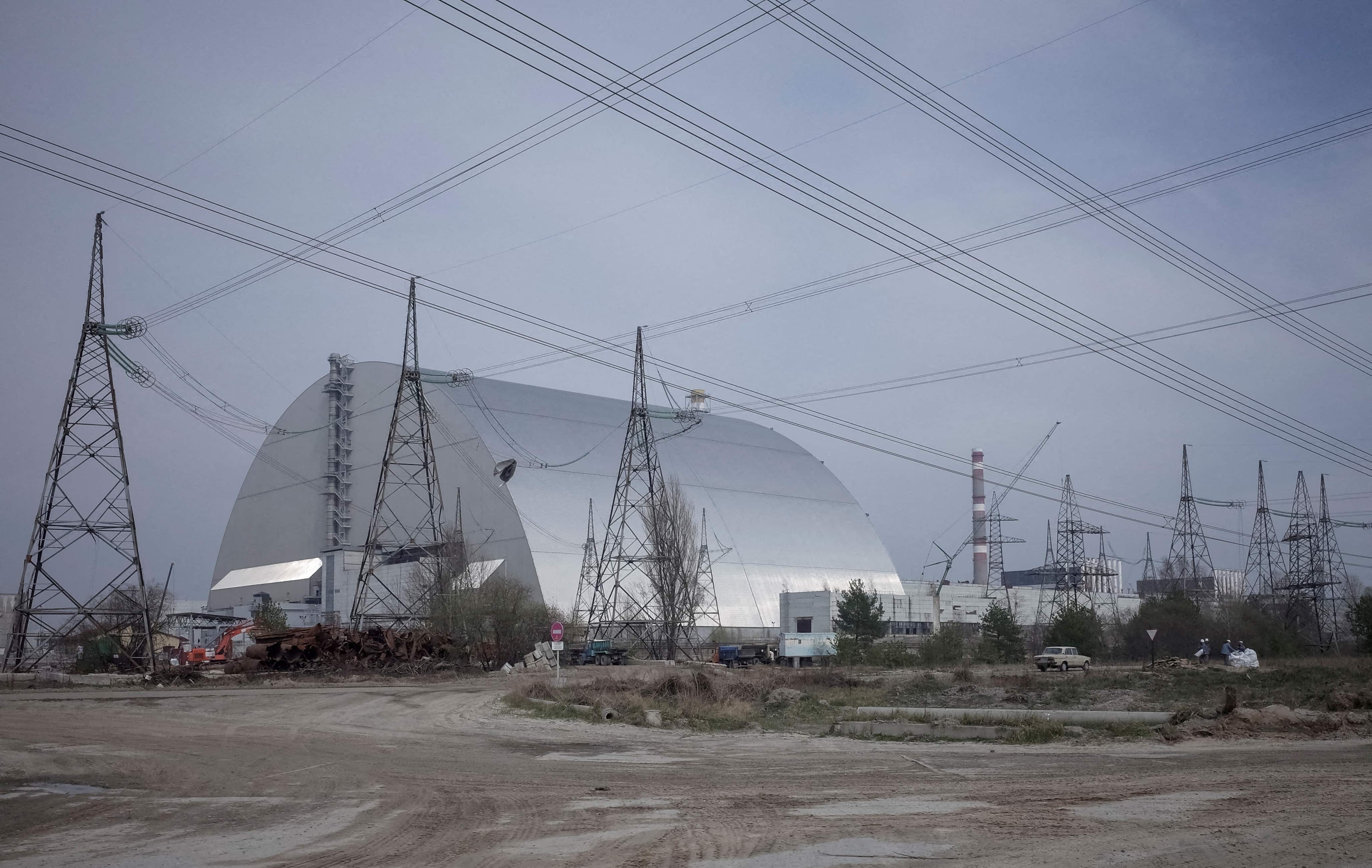
(File photo) Chernobyl nuclear plant
Russian troops have handed back control of the Chernobyl nuclear power plant to Ukraine, according to a letter from Russia's nuclear power company, Rosatom, local media reported.
The troops had seized control of the Chernobyl site — where radioactive waste is still stored —on February 24, the first day of the invasion.
The letter is dated March 31 and was signed by Ukraine's nuclear regulator, Energoatom.
Earlier in the day, Energoatom said that many of the Russian forces occupying the Chernobyl nuclear plant had left and were headed for the Belarusian border, leaving just a few on the territory of the defunct plant.
"The occupiers, who seized the Chernobyl nuclear power plant and other facilities in the exclusion zone, have set off in two columns towards the Ukrainian border," it said in a statement, according to Reuters.
It said that Russian forces had also retreated from the nearby town of Slavutych, where Ukrainian workers at Chernobyl live.
Russian troops "marched in two columns towards the Ukrainian border with Belarus" and a "small number" of Russian forces remain in the station, it said.
"There is also evidence that a column of Russian soldiers who are besieging the town of Slavutych is currently being formed to move towards Belarus," it said.
Chernobyl's number four reactor exploded on April 26, 1986, causing the world's worst nuclear accident which killed hundreds and spread radioactive contamination west across Europe.
The site lies near the Belarus border.
In another development, the Russian defence ministry announced a local ceasefire on Thursday to allow civilians to be evacuated from Ukraine’s Mariupol port, which has been under siege for weeks, left without water, food and power.
Watch |Russians drove through 'Red Forest', Chernobyl workers report incident from last February
(With inputs from agencies)