Russia and Iran push for emergency IAEA board meeting after US-Israel strikes on Iran

&imwidth=600&imheight=450&format=webp&quality=medium "Russia and Iran push for emergency IAEA board meeting after US-Israel strikes on Iran")
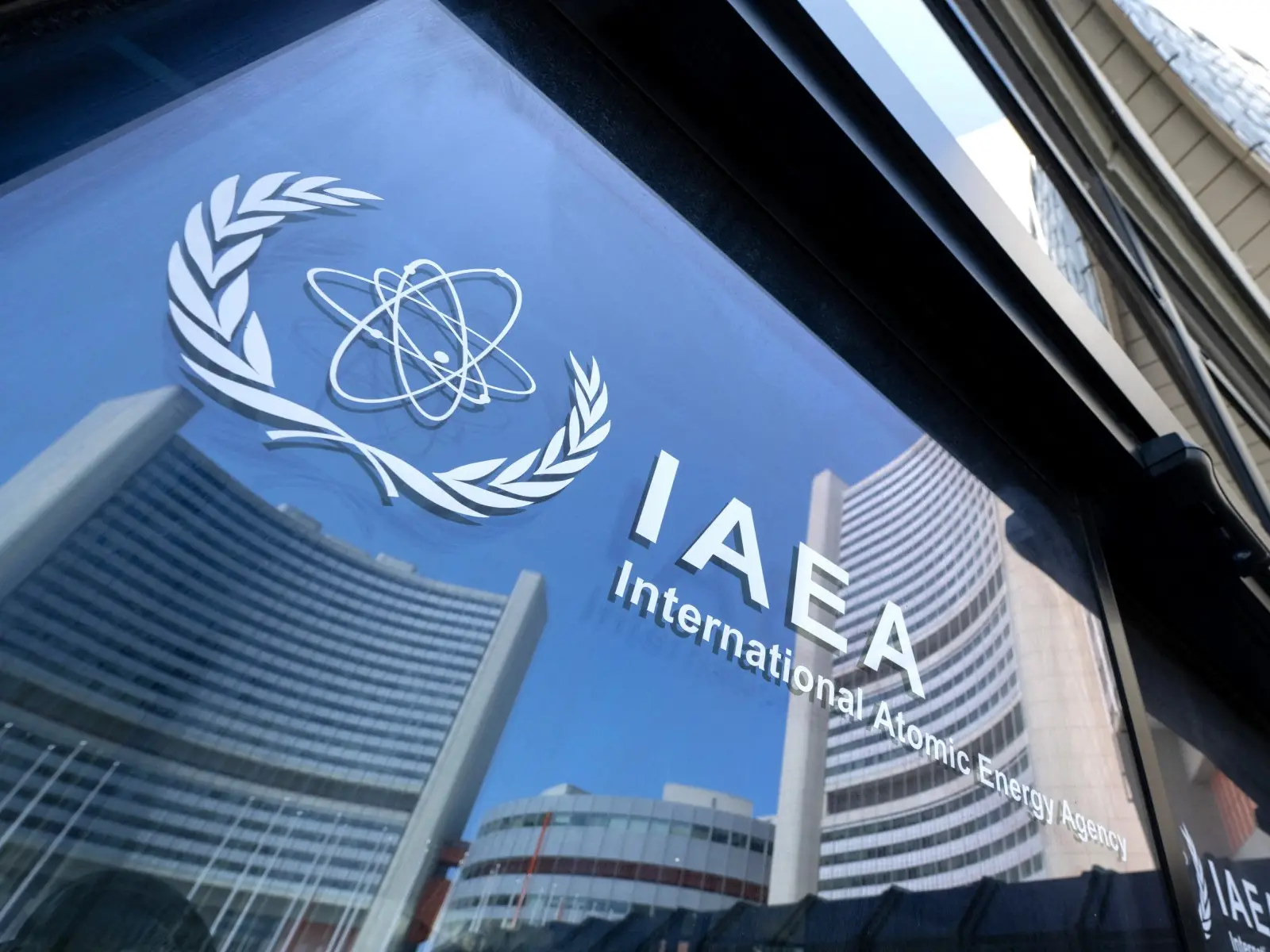
Buildings of the International Atomic Energy Agency (IAEA) headquarters reflect in doors with the agency's logo during the IAEA’s Board of Governors meeting in Vienna, Austria on June 13, 2025, where the IAEA’s head Rafael Grossi briefed board members following Israeli strikes on Iran, including on the Natanz uranium enrichment facility. Photograph: (AFP)
Russia has requested a special IAEA Board meeting after alleged US-Israel strikes on Iran’s nuclear sites, as Tehran and Moscow push for condemnation.
Russia has requested the Secretariat of the International Atomic Energy Agency (IAEA) to convene a special session of the Board of Governors on Iran. This was announced by Mikhail Ulyanov, Russia’s Permanent Representative to International Organizations in Vienna, on the social media platform X. The purpose of the meeting, as discussed by the IAEA, is to use the forum to condemn the US-Israeli strikes, which Russia alleges targeted nuclear infrastructure under IAEA safeguards.
"Russia has requested from the secretariat of the International Atomic Energy Agency the convening of a special session of the Board of Governors on Monday morning, before the start of the next meeting of the Board," wrote Ulyanov.
IAEA has not reported any radiological changes following the US-Israel strikes on Iran. The IAEA was scheduled to hold its regular session at 10:00 CET on March 2, but following the strikes, both Russia and Iran have requested to convene a special session an hour earlier, at 9:00 CET. The agenda at the IAEA's quarterly meeting already had Iran's nuclear enrichment and access issues. Now, Russia and Iran are requesting a special conversation, which is remarkable timing.
Israel has maintained its nuclear ambiguity for decades, has not signed the NPT and has repeatedly attacked its neighbouring nations, such as Lebanon, Syria, Iraq and Gaza, on the guise of national security. Iran, which has no nuclear weapons, faces severe sanctions for its nuclear program. Now, following the strikes, Iranian state media have confirmed the killing of Khamenei’s security adviser, Ali Shamkhani, as well as IRGC commander-in-chief Mohammad Pakpour. The incentive for Iran to join the arms race has never been higher, and perhaps the killing of Khamenei will accelerate its ambitions. Whoever succeeds Khamenei is likely to want to deter any decapitation strikes. Further, Iraq and Libya still serve as a warning for Iran's hardliners, who will see nuclear weapons as the ultimate guarantee.