Pakistan PM Shehbaz Sharif urges US President Donald Trump to delay Iran strike deadline by two weeks as deadline nears

&imwidth=600&imheight=450&format=webp&quality=medium "Pakistan PM Shehbaz Sharif urges US President Donald Trump to delay Iran strike deadline by two weeks as deadline nears")
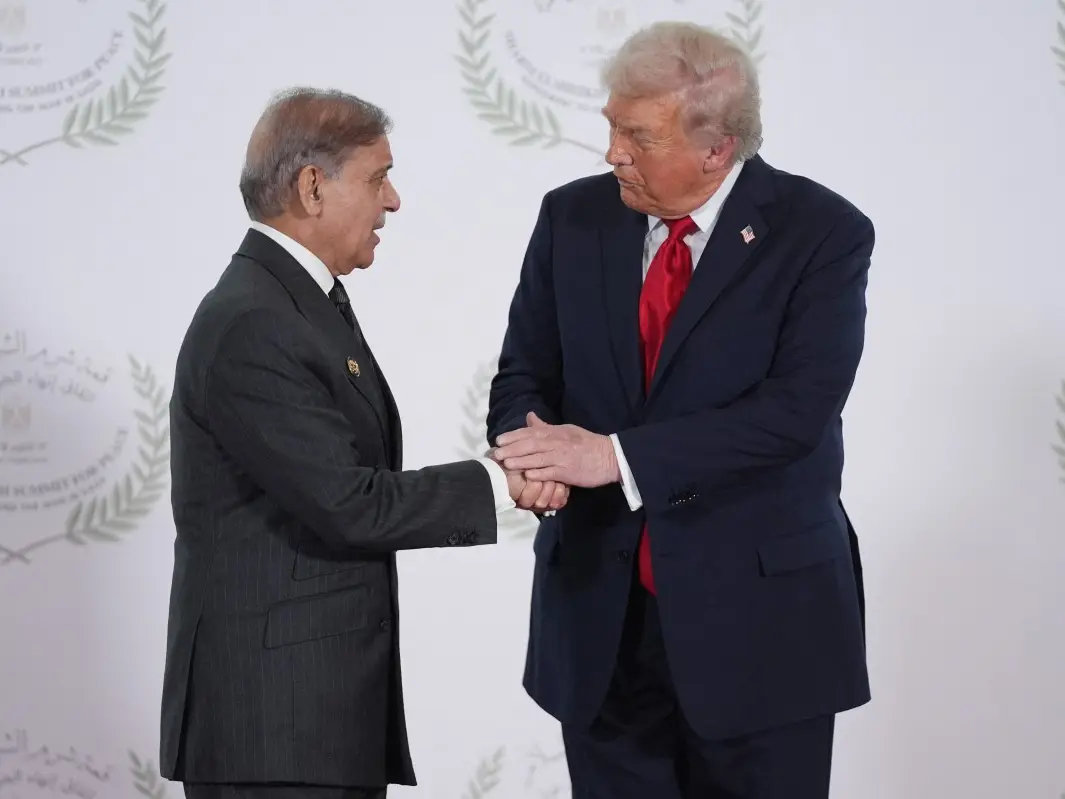
Shehbaz Sharif with Donald Trump Photograph: (AFP)
Pakistan PM urges Trump to delay Iran strike deadline by two weeks, calling for a ceasefire and diplomacy to ease escalating Middle East tensions
Pakistan’s Prime Minister, who is reportedly playing a central mediating role in the ongoing Middle East conflict, on Wednesday (April 7) urged the US President Donald Trump to extend his deadline for launching major strikes on Iran by two weeks. In a post on X, the Pakistan PM wrote, “Diplomatic efforts for peaceful settlement of the ongoing war in the Middle East are progressing steadily, strongly, and powerfully with the potential to lead to substantive results in near future. To allow diplomacy to run its course, I earnestly request President Trump to extend the deadline for two weeks. Pakistan, in all sincerity, requests the Iranian brothers to open the Strait of Hormuz for a corresponding period of two weeks as a goodwill gesture. We also urge all warring parties to observe a ceasefire everywhere for two weeks to allow diplomacy to achieve conclusive termination of war, in the interest of long-term peace and stability in the region.”
Meanwhile, the US President Donald Trump has been informed of Pakistan's Prime Minister’s request for a two-week extension to the deadline for potential large-scale strikes on Iran, the White House said on Tuesday (April 7). "The President has been made been aware of the proposal, and a response will come," Press Secretary Karoline Leavitt told news agency AFP in a statement hours before the deadline was due to expire.
Disclaimer: WION takes utmost care to accurately and responsibly report ongoing conflicts in West Asia involving Israel, Iran, the US, Gulf nations, and non-state actors like Hezbollah, Hamas, Houthis, Islamic State, and others. Claims and counterclaims, disinformation and misinformation are being made online and offline. Given this context, WION cannot independently verify the authenticity of all statements, social media posts, photos, and videos.

