Omicron: What does variant of concern mean?

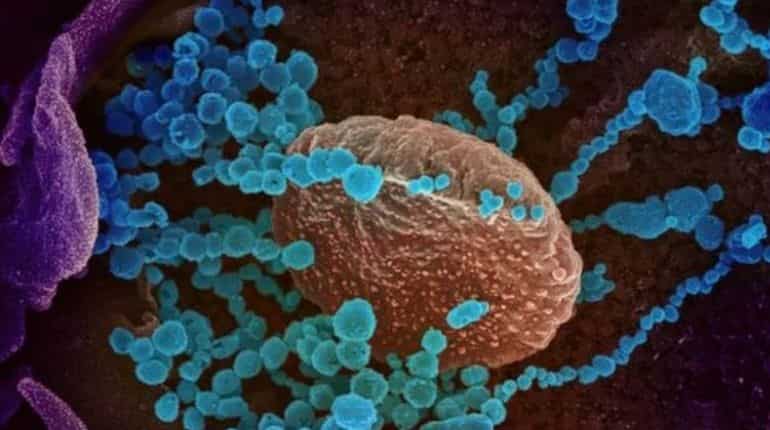
File photo of a variant of coronavirus. The new variant B.1.1.529 could be deadlier
As the new virus variant B.1.1.529gripped the world on Friday, the World Health Organisation(WHO) moved to name it Omicron and designated it as a "variant of concern".
The WHO has clearly defined what avariantof concern (VOC) means. According to the UN health body, a variant of concern demonstrates an "increase in transmissibility" or "detrimental change in COVID-19 epidemiology".
The WHO had earlier classified Alpha, Beta, Gamma and Delta as variants of concern. The health agency also stipulates initial steps as the variant ofconcern is discovered.
Watch:New variant of Wuhan virus discovered
It assesses the public health risks as it compares the variant characteristics. It also coordinates investigations with member states to set up laboratory tests and establishes a "guidance" system.
The member state which discovers the variant is expected to submit complete genome sequences to the healthy body and it also has to identify variant cases and clusters including conducting field investigations and laboratory assessments.
US Centers for Disease Control and Prevention (CDC) describes a VOC as "evidence of an increase in transmissibility, more severe disease including "significant reduction in neutralisation by antibodies generated during previous infection or vaccination".
The CDC looks into the variant's "widespread interference with diagnostic test targets" including "evidence of reduced vaccine-induced protection".
The new COVID-19variant dubbed Omicron has created panic as countries have banned flights from South Africa where it was first discovered including other African countries.
Apart from South Africa, the newvariant was also discovered in Botswana, Israeland Hong Kong. Europe also recorded the first case of the new Omicron variant in Belgiumafter a traveller from Egypt was detected with the new strain.
(With inputs from Agencies)