Japanese PM Fumio Kishida sends offering to shrine, irks South Korea and China. Here’s why

Japanese Prime Minister Fumio Kishida
Japanese Prime Minister Fumio Kishidasending ritual offerings to the controversial Yasukuni Shrine in Tokyo on Tuesday irked China and South Korea as it has ties to Japan’s past imperialist aggression.
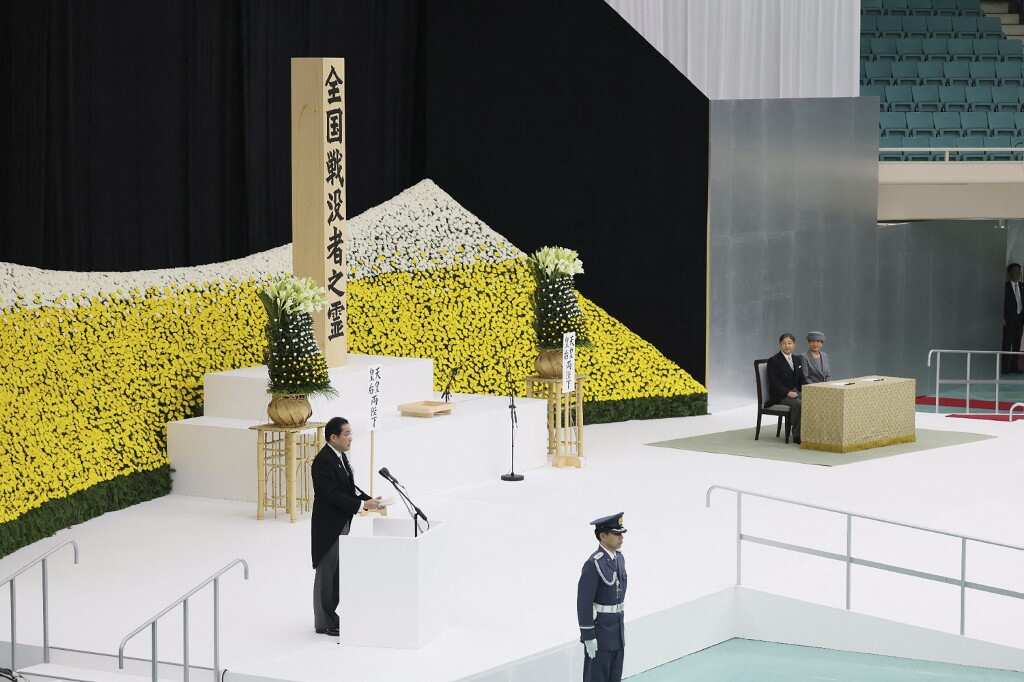
Earlier in the day, Kishida sent a "masakaki" offering instead of paying an in-person visit to the shrine as the nation marked the 78th anniversary of the end of World War II, Kyodo News Agency reported.
Instead of visiting Yasukuni, Kishida laid flowers at the nearby Chidorigafuchi National Cemetery.
Japan will “stick to our resolve to never repeat the tragedy of the war,” Kishida said at a solemn ceremony in a speech that was apparently similar to what he read last year, according to AP news agency.
But three former and current Cabinet ministers visited the shrine. They are Economic Security Minister Sanae Takaichi, former environment minister Shinjiro Koizumi and former trade and industry minister Koichi Hagiuda.
Why is it controversial?
The reason why the shrine is controversial is because it enshrines the convicted war criminals among the 2.5 million war dead.
Responding to Kishida's tribute and the visit by other lawmakers to the shrine, the South Korean Foreign Ministry expressed "deep disappointment and regret" in its statement, saying that the shrine "glorifies Japan's past wars of aggression and enshrines war criminals."
It called on "responsible figures in Japan to face history squarely and to demonstrate humble reflection and genuine remorse for the past."
Japan’s colonisation of the Korean Peninsula during the 1910-1945 period has long strained ties between both countries.
But it has steadily been improving over the years, with South Korea even suggesting a solution to a long-standing dispute over wartime labour compensation earlier this year.
China's harsh remarks
China, too, expressed its dismay, with Foreign Ministry spokesperson Wang Wenbin saying the “negative move ... once again reflects Japan’s wrong attitude towards history.”
China has made “stern” complaints to Japan, Wang told reporters at a daily briefing.
“I must stress that facing squarely and deeply reflecting on the history of aggression is an essential prerequisite for Japan to resume normal postwar relations with its Asian neighbours,” he said.
China still harbours deep resentment against Japan over its aggression, particularly at the brutal outset of the 1937-1945 Second Sino-Japanese War that included the notorious Rape of Nanking.
China’s ruling Communist Party bases much of its legitimacy on its opposition to the invaders and seeks to use the memory of the conflict as diplomatic leverage against Tokyo despite close trade ties between them.
(With inputs from agencies)
WATCH WION LIVE HERE