Japan set to get first female PM as ruling party picks Sanae Takaichi as new leader: Who is she

&imwidth=600&imheight=450&format=webp&quality=medium "Japan set to get first female PM as ruling party picks Sanae Takaichi as new leader: Who is she")
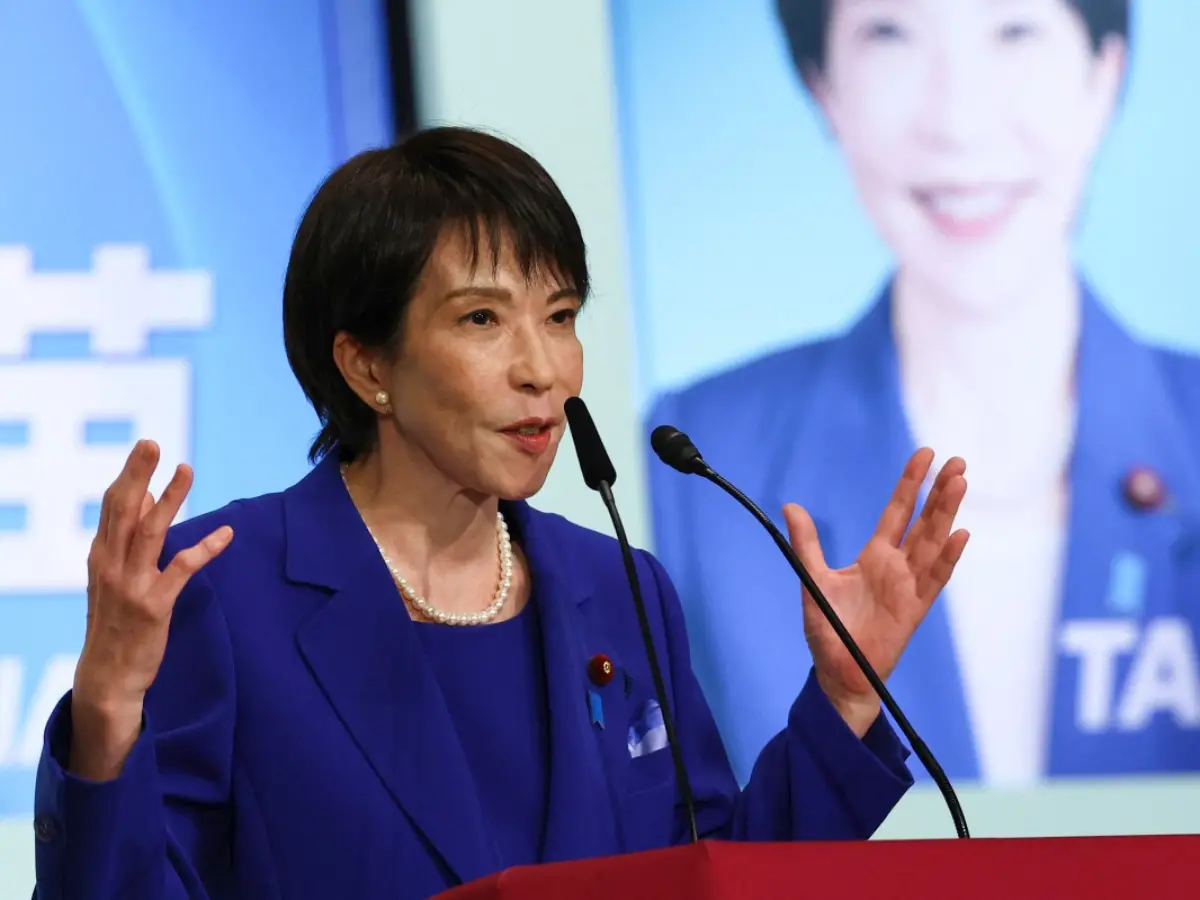
Sanae Takaichi Photograph: (AFP)
Sanae Takaichi is set to become Japan's first female prime minister after winning the LDP leadership. A hardline conservative, she's focused on national defence, anti-immigration, and Abenomics-style policies.
Sanae Takaichi has won the leadership of Japan’s ruling party - Liberal Democratic Party (LDP), and is likely to become Japan's first woman prime minister. Once confirmed by parliament, Takaichi will become the country's first woman head of government. She defeated her next rival and son of former premier Junichiro Koizumi - Shinjiro Koizumi. In her campaign, Takaichi hinted that she might re-do the investment deal with US President Donald Trump that lowered his punishing tariffs. As the next leader, Takaichi will inherit a party in crisis and a sluggish economy.
Who is Sanae Takaichi?
Sanae Takaichi, Japan’s likely next prime minister and a former minister of economic security, has long maintained a hardline stance on national security. She has been an outspoken critic of China’s growing military presence in the Asia-Pacific. She is known for her visits to the controversial Yasukuni Shrine, a site that honours Japan’s war dead, including convicted war criminal, a practice that has drawn criticism from neighboring countries. However, during the most recent Liberal Democratic Party (LDP) leadership race, Takaichi notably toned down her rhetoric on such issues, a departure from her more assertive promises in the previous year’s election when she lost to Shigeru Ishiba after vowing to visit the shrine as prime minister.
Born in 1961, Sanae Takaichi entered Japan’s House of Representatives in 1993 as an independent. She first ran for LDP leadership in 2021, placing third. In 2024, she led the first round but narrowly lost the runoff to Shigeru Ishiba. Known for her admiration of Margaret Thatcher, Takaichi once played drums in a college heavy metal band but has shown limited interest in challenging Japan’s patriarchal structures. Despite this, Takaichi pledged to bring gender parity in her cabinet closer to Nordic levels, as Japan continues to rank poorly in global gender gap indices.