Iraqi police questioned after 21 prisoners escape jail

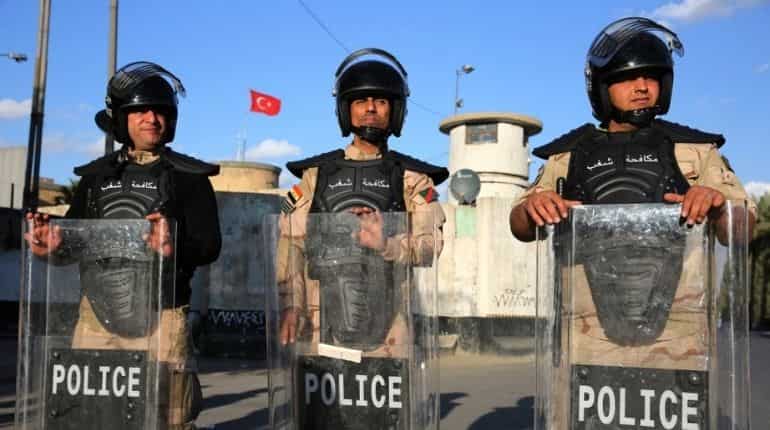
Iraqi Police
IraqipolicewerequestionedSundayafter21prisonersescapedjail, the latest breakout to highlight failings in the country's security system.
Ten of the escapedprisoners, all convicted on drug and terrorism charges, had been recaptured by Sunday afternoonaftera manhunt was launched at dawn.
The interior minister immediately "ordered the confinement to the barracks of all officers andpolice" at Hilal districtprisonin Mouthanna province 300 kilometres (180 miles) south of the capital Baghdad, while an investigation into theescapewas carried out.
Also read |20 terror suspects escape Iraq's prison
It was not immediately clear how theprisonersbroke out, but in corruption-riddled Iraq, escapes are often achieved by paying off security forces.
Other detainees get help from armed groups or tribes, often equipped with heavy arms.
Transparency International ranks the country 21st from bottom in its Corruption Perceptions Index.
In mid-March, men from a powerful pro-Iran armed group disguised as soldiers freed a drug trafficker underpoliceescort while en route to court in Amara, another town in rural southern Iraq.
In an effort to flush out the escapees and discourage accomplices from sheltering them, Mouthanna's governor promised "a financial reward to anyone who catches a fugitive", while law enforcement officers enlisted the help of tribal leaders in the manhunt.
Also read |Iraq: Jihadist attacks claim 18 lives
Prisonbreaks are particularly sensitive in Iraq, where thousands of Iraqis and foreigners have been convicted of "terrorism", mainly as part of the Islamic State group in recent years.
Jihadist groups -- from IS and Al-Qaeda before it -- have already organised bold escapes fromIraqiprisons, and regularly vow to carry out others.
Iraq is regularly criticised by human rights activists for the conditions of its jails.
Cells built to hold around 20 detainees are often packed with 50, a source working in the jails told AFP.
Prisonersare often caught smuggling phones or passing on information during family visits.