Iraq: Shi'ite Sadrist lawmakers resign from parliament amid impasse

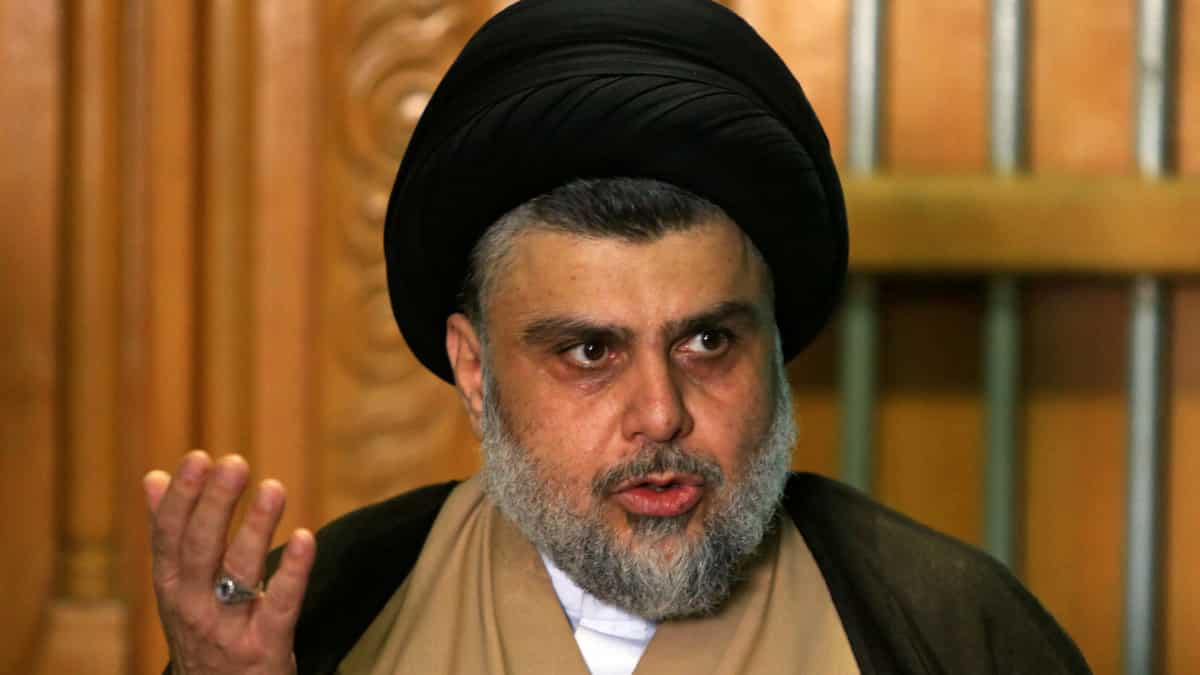
Moqtada al-Sadr
Plunging the divided nation into political uncertainty, dozens of lawmakers who make up the biggest bloc in Iraq’s parliament resigned on Sunday amid a prolonged political impasse.
In a move ostensibly designed to up pressure to end an eight-month political paralysis, Shiite cleric Moqtada Sadr asked the MPs from his bloc to resign so that space can be created for the establishment of a new government.
Calling his request "a sacrifice from me for the country and the people to rid them of the unknown destiny", Sadr, a populist who has positioned himself as a staunch opponent of both Iran and the United States, also has support from Sunni lawmakers from Halbussi's party and the Kurdistan Democratic Party (KDP).
Increasing the number of seats it holds in parliament to 73, Sadr's party was the biggest winner in an October general election.
According to Ali Moussawi, a former Shi'ite lawmaker and a political researcher at Baghdad University, "Sadr reached to the point that he accepted the bitter reality that it's nearly impossible to form a government away from the Iranian-backed groups."
With intense negotiations among political factions failing to forge a majority in support of a new prime minister to succeed Mustafa al-Kadhemi, parliament in Baghdad has been in turmoil since October's general election.
Prolonging the war-scarred country's political crisis, Iraqi lawmakers have already exceeded all deadlines for setting up a new government set down in the constitution.
Claiming to hold a parliamentary majority, Sadr's coalition and his rival the Coordination Framework have said they have the right to appoint the prime minister.
In the near two decades since dictator Saddam Hussein was toppled in 2003, over $400 billion had gone missing from state coffers according to official figures published last year.
With neighbouring Iran providing a third of Iraq's gas and electricity needs, Iraq remains dependent on imports to meet energy needs despite its immense oil and gas reserves.
(With inputs from agencies)
Watch WION's live TV here: