&imwidth=800&imheight=600&format=webp&quality=medium "Iran creates new Persian Gulf Strait Authority to formalise control of Hormuz")
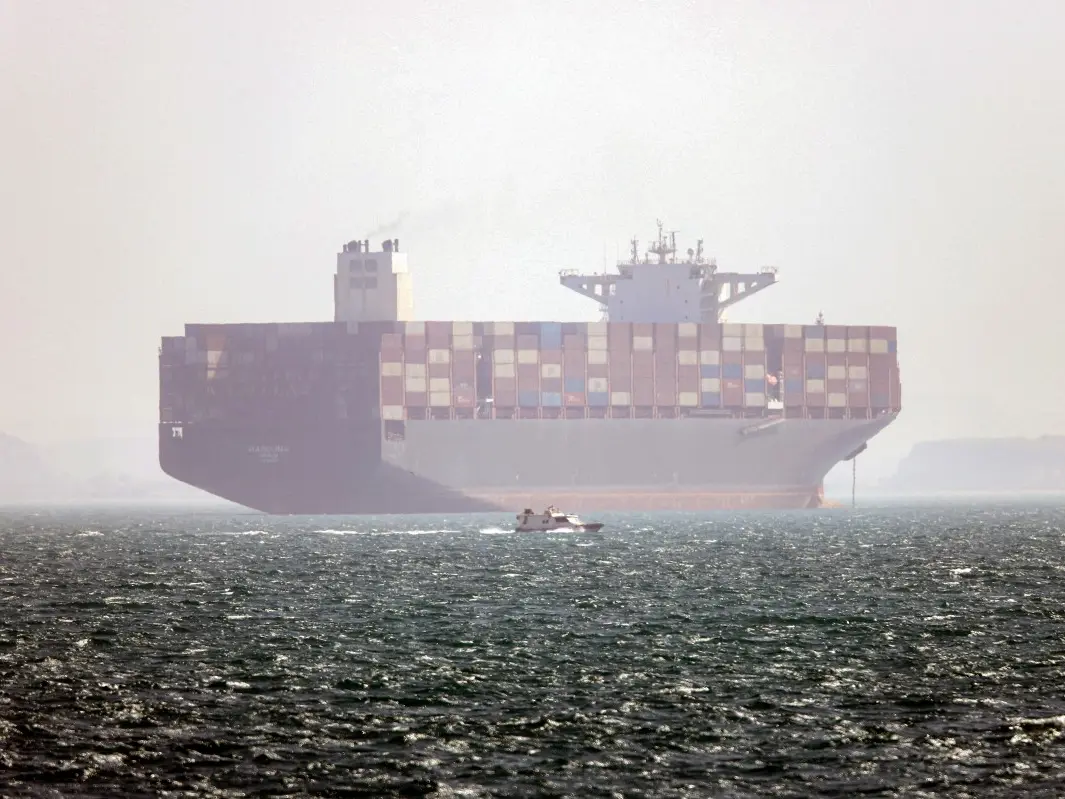
Iran is trying to formalise its control over the Strait of Hormuz; it has created a new Persian Gulf Strait Authority (PGSA) to govern the day-to-day operations of the strait. This PGSA would oversee a structured transit plan for vessels and have circulated a form called the “Vessel Information Declaration,” which must be completed by all vessels to complete safe transit.
The document obtained by Lloyd List was first reported by the CNN, marking a shift from free transit to the era of paid passage. The introduction of transit fees or tolls could drastically increase the cost of transporting energy and goods, impacting international markets. This also opens the scope for the establishment of a land-based Eurasian trade bloc, which would serve as a strategic bypass to maritime chokepoints like the Strait of Hormuz.

Iran’s Islamic Revolutionary Guard Corps (IRGC) Navy said Wednesday that ships are complying with new transit regulations set by Tehran in the Strait of Hormuz. In a post on the US social media platform X, the IRGC Navy said the cooperation of vessels was contributing to regional maritime security. This came just after the US tried its so-called “Project Freedom” to escort vessels through the Strait of Hormuz. IRGC mentioned in the post that “safe and stable passage” through the Strait of Hormuz would be ensured under what it described as new protocols after “threats by the aggressor” have been neutralised. It further asserted that all vessels trying to pass through the Strait of Hormuz must use the previously announced corridor for safe passage.
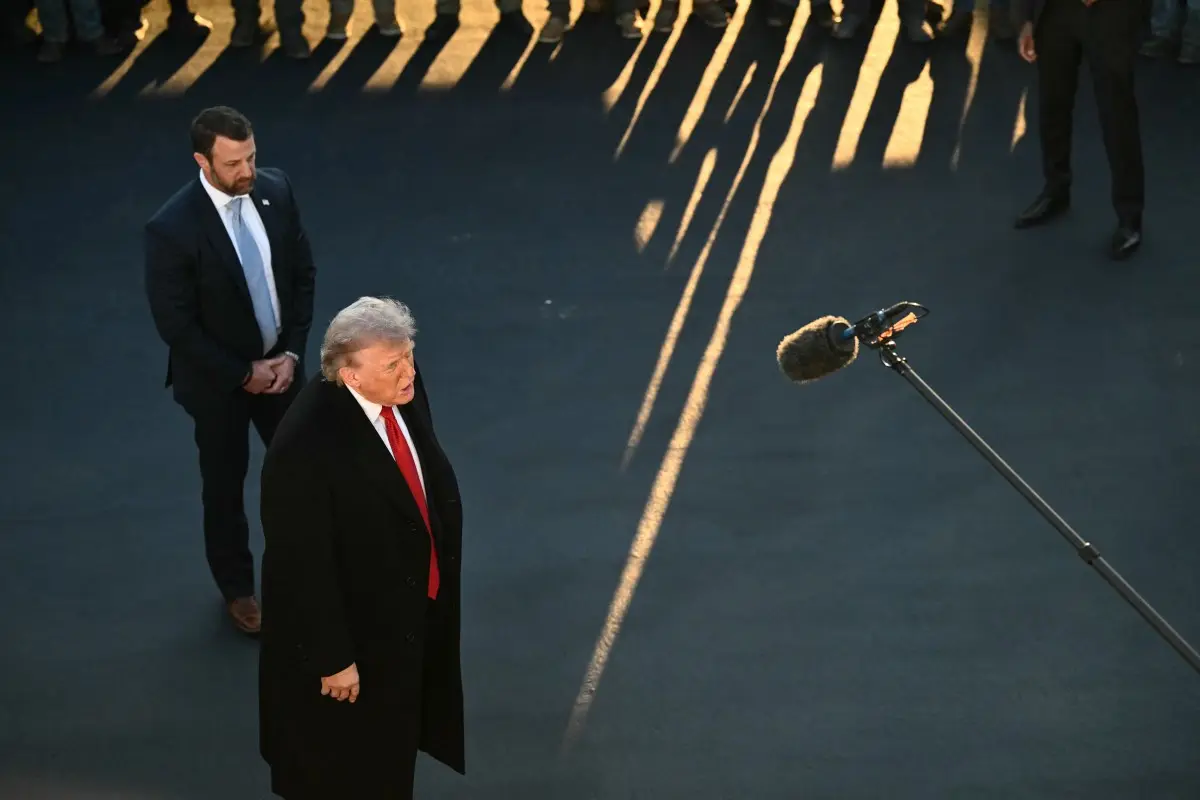
This is not an administration that operates based on a policy process. It operates based on impulse. The president seems now both tired of this war and reluctant to continue investing his political capital into it," said Ali Vaez, Iran Director, International Crisis Group. On Wednesday, Iran's Supreme Leader, Mojtaba Khamenei, in a telegram post, called for a “new regional and global order under the strategy of a strong Iran”.“Foreigners who come from thousands of kilometres away, acting maliciously out of greed, have no place there, except at the bottom of its waters,” the statement added.