

&imwidth=800&imheight=600&format=webp&quality=medium "Iran’s Pezeshkian applauds Pakistan’s mediation push: How US-Iran tensions, economic fragility & domestic turmoil shape this role")
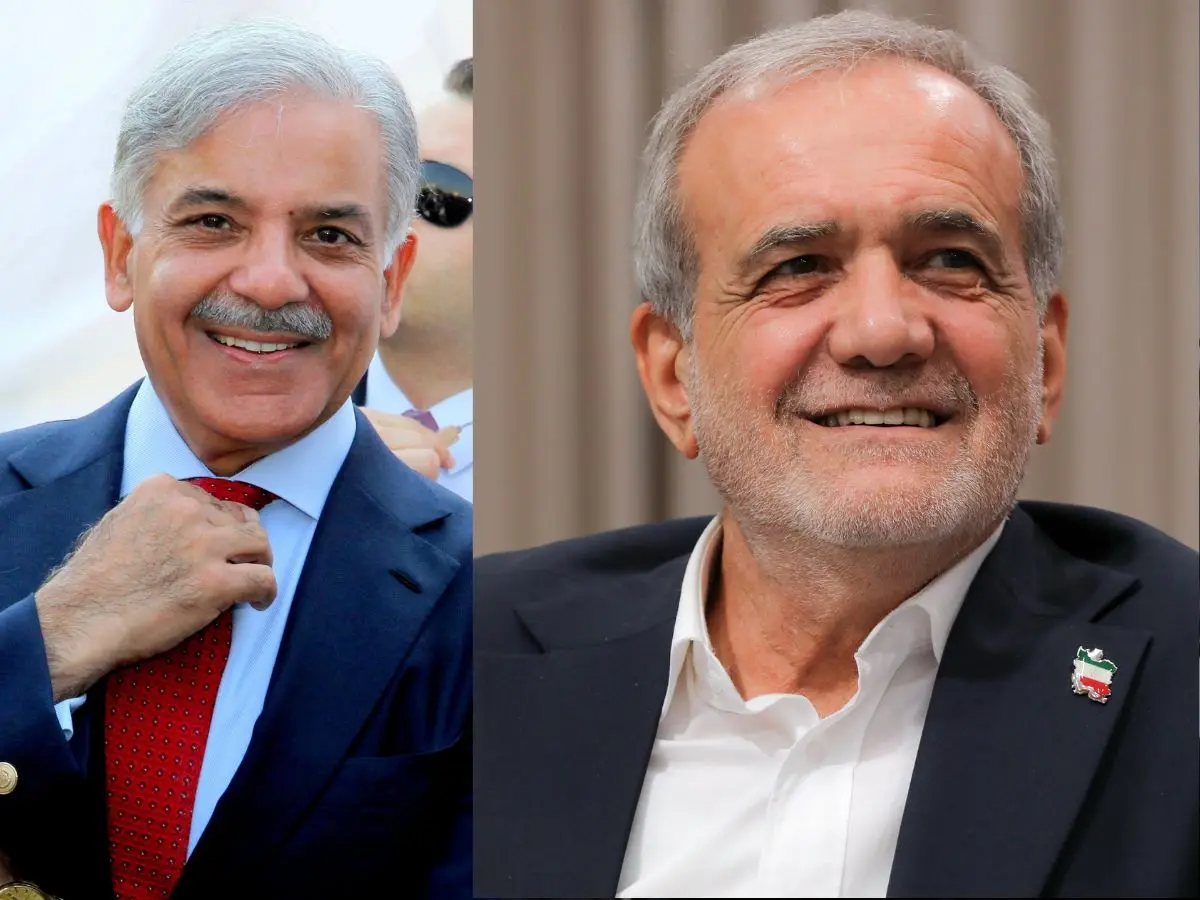
Pakistan has suddenly emerged as a diplomatic bridge in the escalating Iran-US-Israel conflict, with Iranian President Masoud Pezeshkian publicly praising Islamabad’s efforts to mediate. In a call on Saturday, that lasted more than an hour with Pakistani Prime Minister Shehbaz Sharif, Pezeshkian stressed that ‘trust is needed’ to move talks forward and ‘thanked Pakistan for its mediation efforts to stop the aggression against the Islamic republic’. The exchange shows Pakistan’s growing role as a regional interlocutor at a moment of acute geopolitical risk.
A diplomatic channel gains momentum
According to official statements, the two leaders discussed the conflict in detail, including efforts to de-escalate hostilities in West Asia. Sharif later, through a post on X, said that he had an “in-depth telephone conversation” with Pezeshkian and reiterated Pakistan’s condemnation of Israeli strikes on Iranian civilian infrastructure. He also said Islamabad was in contact with the United States, Gulf countries and other Islamic states “to facilitate dialogue and reduce tensions”. However, mediation in such a conflict places Islamabad in a delicate position, requiring it to balance ties with Tehran, Washington and Gulf capitals without appearing to align too closely with any side.
ALSO READ: Houthis vs Hezbollah: What sets them apart and how they fit into Iran’s axis of resistance
Pakistan is not often at the centre of high-stakes diplomacy of this scale, but its geography and diplomatic links make it difficult to remain detached. It shares a border with Iran, maintains close relations with Gulf states, and has working ties with the United States. At the same time, its ability to influence outcomes remains limited, which raises questions about how much leverage it can realistically exercise. This mediation role comes as foreign ministers from Saudi Arabia, Egypt and Turkey prepare for talks in Islamabad focused on regional de-escalation.
The economic stakes are substantial
Pakistan’s role in Iran-US negotiations surfaced only days ago following media reports. Islamabad’s interest is not merely diplomatic. Quoting an Islamabad-based security analyst Syed Mohammad Ali, Associated Press wrote, the war poses one of the biggest economic and energy security challenges in Pakistan’s recent history. The country depends heavily on Middle Eastern oil and gas imports, and rising tensions have already pushed up global crude prices. That has translated into a fuel price increase of roughly 20 per cent domestically, adding strain to the Sharif government. Additionally, nearly five million Pakistanis employed across the Arab world remit an amount each year that is roughly on par with the country’s total export earnings.
Domestic pressure and regional fallout
The external conflict is compounding Pakistan’s internal instability at a time when it is already battling a prolonged security crisis along its Afghan border, with Islamabad repeatedly accusing the Taliban regime of turning a blind eye to militant groups responsible for deadly attacks inside Pakistan. Additionally, protests broke out across several Pakistani cities following US-Israeli strikes killed Iran’s Supreme Leader, these protests turned violent, leaving at least 22 dead and over 120 injured. Given Pakistan’s large Shia population and the symbolic importance of Iran’s leadership, the war’s fallout is being felt both strategically and socially. Islamabad's mediation drive, therefore, appears less an act of statesmanship than a necessity born of economic fragility, regional anxiety, and domestic instability.

