&imwidth=800&imheight=600&format=webp&quality=medium "'Injection gives you Ebola': Viral video shows vaccine distrust in DRC amid outbreak")
A widely circulated video claims widespread misinformation and institutional distrust are severely hampering efforts to contain a deadly Ebola outbreak in the Democratic Republic of Congo (DRC), which has already claimed 115 lives. False claims ranging from outright denial of the virus to accusations that authorities invented the crisis for financial gain or foreign aid are circulating heavily on social media and in local communities. In a viral video on X denying the virus, a reporter is seen talking to locals as they say, “Ebola comes from Western medicines.” Another person in the video was heard saying, “If you go to the hospital, they give you an injection and that gives you Ebola.”
Watch video here:
This misinformation campaign is driving devastating real-world consequences. World Health Organisation chief Tedros Adhanom Ghebreyesus warned that misinformation spreads as fast as the virus and is nearly as dangerous. According to ActionAid country director Saani Yakubu, quoted by news agency AFP, false beliefs delay treatment as patients seek care too late, and families withhold information, complicating contact tracing.
Furthermore, the situation has escalated into violence against health and aid workers. Mamadou Kaba Barry of the NGO Alima reported that vehicles have been stoned, burial teams targeted, and two hospital tents in Ituri were torched after a family defied safety protocols to reclaim a body. In Bunia, relatives nearly beat burial workers to death under the suspicion that bodies are withheld for organ trafficking. Barry emphasised that these security threats prevent normal care for a disease spread through close contact and bodily fluids.

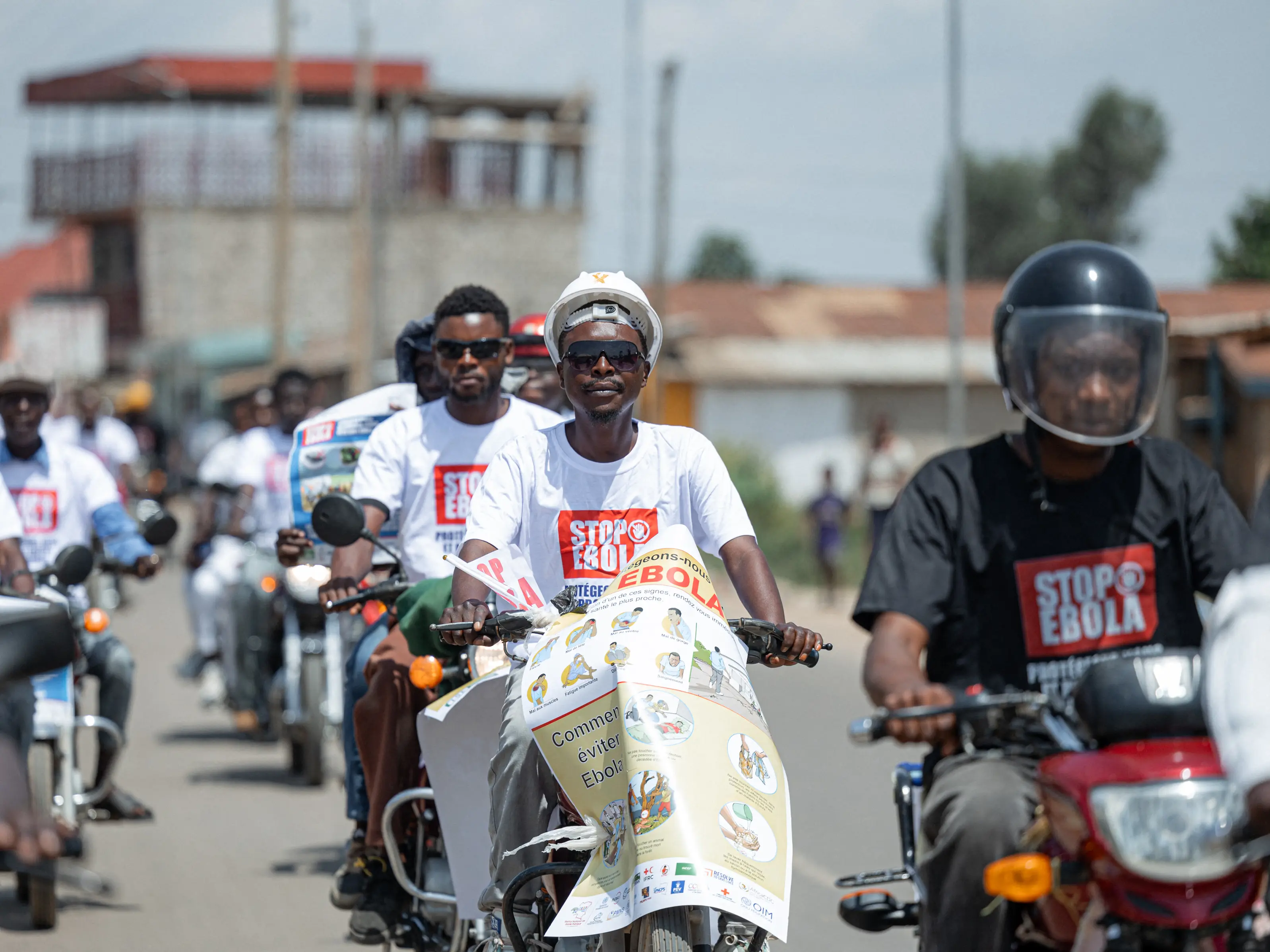
Experts note that while misinformation has accompanied previous outbreaks, social media has caused it to surge. Epidemiologist Hemes Nkwa explained that the rumours fill a narrative gap born from deep-rooted distrust of institutions, poverty, political tensions, and insecurity. To combat this, experts stress the necessity of rebuilding community trust. Yakubu suggested training local ambassadors to share accurate information in native languages. Additionally, Nkwa highlighted that involving community leaders, Ebola survivors, and traditional healers who hold strong social credibility, as allies can significantly improve the public health response.