In an Olympic year, Japan faces decision over contaminated Fukushima water

Tokyo Electric Power Co's (TEPCO)
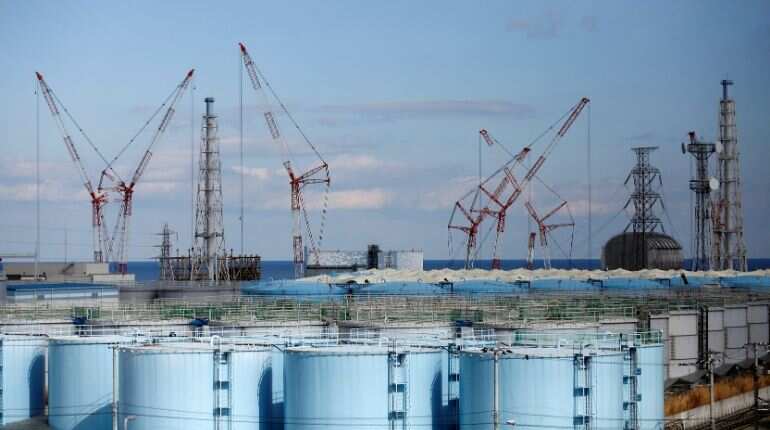
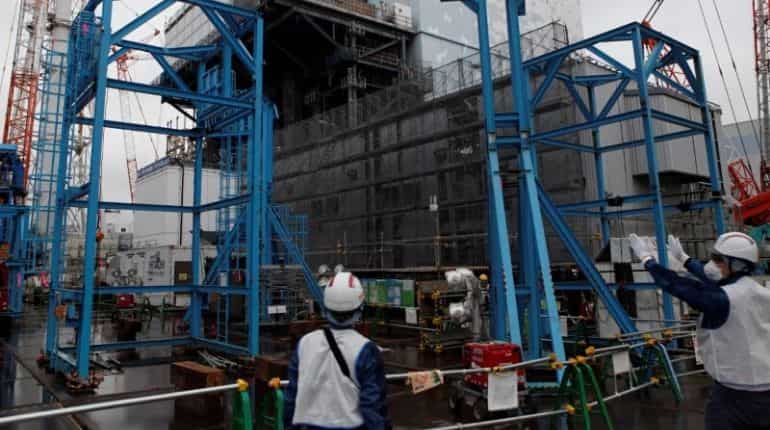
At the wreckedFukushimanuclear plant north of Tokyo, workers in protective suits are still removing radioactive material from reactors that melted down after an earthquake and tsunami knocked out its power and cooling nearly nineyears ago.
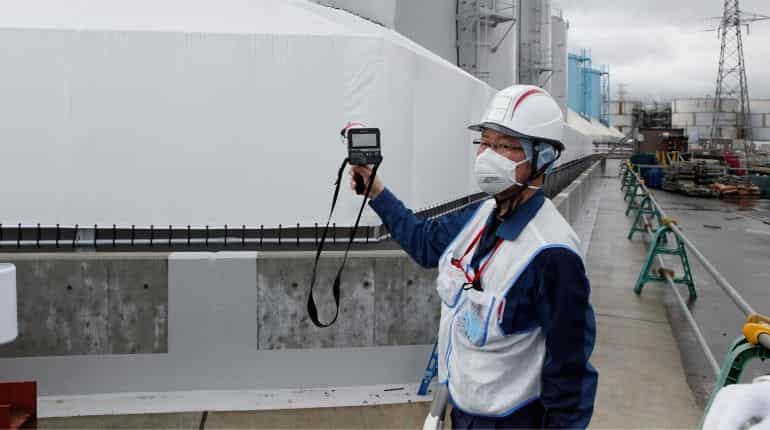
On an exclusive tour of the plant, spreadover3.5 million square meters (865 acres), Reuters witnessed giant remote-controlled cranes dismantling an exhaust tower and other structures in a highly radioactive zone while spent fuel was removed from a reactor.
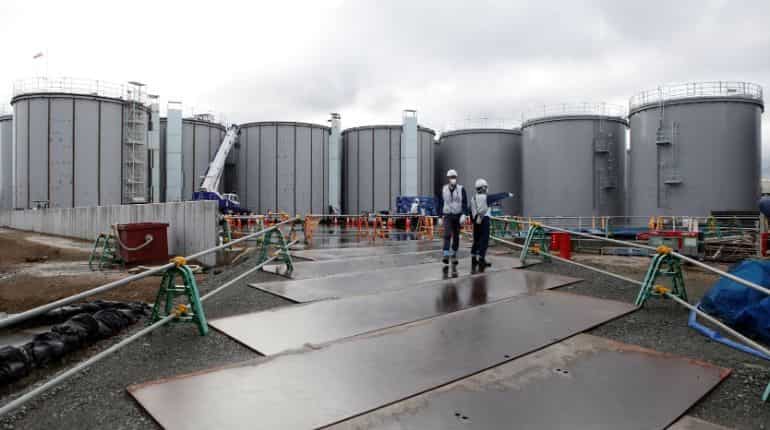
Officials from Tokyo Electric, which owns the plant, also showed new tanks to hold increasing amounts ofcontaminatedwater.
About 4,000 workers are tackling the cleanup, many wearing protective gear, although more than 90 per centof the plant is deemed to have so little radioactivity that no extra precautions are needed. Photography was highly restricted and no conversations were allowed with the workers.
Work to dismantle the plant has taken nearly a decade so far, but with Tokyo due to host theOlympics this summer including some events less than 60 km (38 miles) from the power station - there has been renewed focus on safeguarding the venues.
"Tepco tries to disclose all information to the public as soon as possible. If something happens at the site, we let people know by email, for example," said Kan Nihonyanagi, risk communicator atFukushima, told Reuters in an interview at the site.
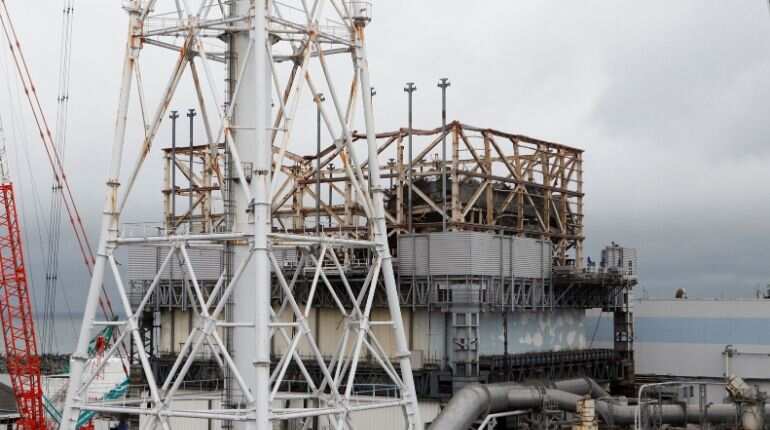
The buildup ofcontaminatedwaterhas been a sticking point in the cleanup, which is likely to last decades and has alarmed neighbouring countries. In 2018, Tepco said it had not been able to remove all dangerous material from thewaterand the site is running out of room for storage tanks.
Officialsoverseeing a panel of experts looking into thecontaminatedwaterissue said in December choices on disposal should be narrowed to two: either dilute thewaterand dump it in the Pacific Ocean, or allow it to evaporate.
TheJapanese government may decide within months, and either process would takeyears to complete, experts say.
"TheOlympics are coming, so we have to prepare for that, and Tepco has to disclose all the information not only to local communities but also to foreign countries and especially to those people coming from abroad," said Joji Hara, a Tokyo-based spokesman for the power company who accompanied Reuters during the visit.
Tepco has opened English-language Twitter and Facebook accounts, he said. It is also preparing to put out basic emergency information in Korean and Chinese, he added.
Athletes from at least one country, South Korea, are planning to bring their own radiation detectors and food this summer.
Baseball and softball will be played inFukushimaCity, about 60 km (38 miles) from the destroyed nuclear plant. The torch relay will begin at a sports facility called J-Village, an operations base forFukushimaDaiichi in the first fewyears of the disaster, then pass through areas near the damaged station on its way to Tokyo.
In December, Greenpeace said it found radiation "hotspots" at J-Village, about 18km south of the plant.
When Tokyo won the bid to host the 2020 SummerOlympics Prime Minister Shinzo Abe declared thatFukushimawas "under control" in his final pitch to the InternationalOlympicCommittee.
In 2016, theJapanese government estimated that the total cost of plant dismantlement, decontamination of affected areas, and compensation would be 21.5 trillion yen ($195 billion) - roughly a fifth of the country's annual budget at the time.