Hong Kong tycoon Jimmy Lai pleads not guilty to charges of conspiracy in national security trial

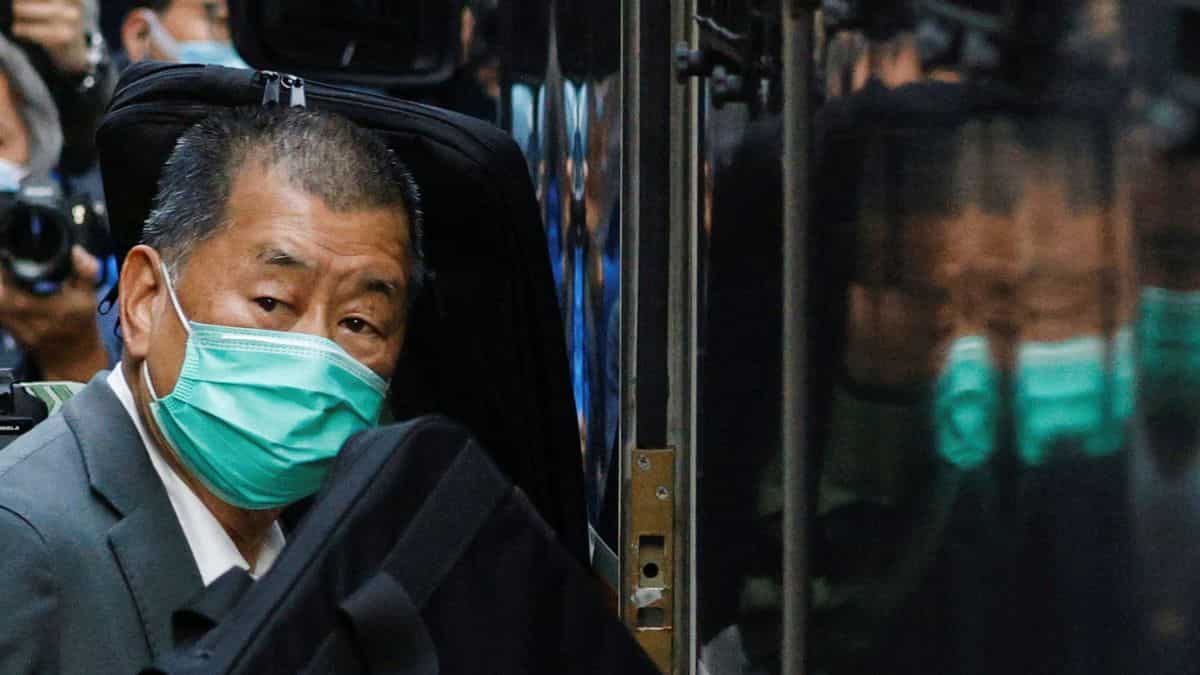
Jimmy Lai
Hong Kong's pro-democracy tycoon Jimmy Lai, on Tuesday (Jan 2) pleaded not guilty to all charges against him in a high-profile national security trial.
Under a China-imposed national security law, 76-year-old Lai faces multiple charges of conspiracy.If found guilty, the city's leading critic of the Chinese Communist Party could be jailed for life.
Charges against Lai
The tycoon, who is the founder of the now-shuttered pro-democracy newspaper Apple Daily, faces two counts of conspiracy for colluding with foreign forces — including calling for sanctions against Hong Kong and Chinese officials.
He has also been charged with conspiracy to publish seditious publications under a colonial-era sedition law.
Under the security law, Lai's Hong Kong assets, including Apple Daily's company assets amounting to HK$18 million (US$2.3 million) stand frozen by authorities.
Calls for Lai's release
Jimmy Lai's trial is seen as a fresh diplomatic flash point and a key test for Hong Kong's judicial independence and freedoms under China's sweeping national security law.
Western democracies, the United States, and Britain as per Reuters have called for Lai's immediate release. They allege that the trial is politically motivated.
Hong Kong authorities, however, dispute claims that Lai won't enjoy a fair trial. They say that all are equal before the law and that after mass protests in 2019, the national security law has brought stability to Hong Kong.
Hong Kong'sNational Security Law
China imposed the controversial National Security Law in June 2020. Critics who fear that the law would be used by China to end Hong Kong's limited autonomy have termed it 'The end of Hong Kong'.
Hong Kong was a British colony and it was handed over to China under assurances of 'One country, two systems' in 1997. Since then, Hong Kongers have enjoyed a greater degree of freedom than the mainland Chinese.
However, the National Security Law, which was passed after strong pro-democracy protests in Hong Kong, threatens to end its autonomy.
(With inputs from agencies)

