Fukushima operators to build undersea tunnel to release treated water

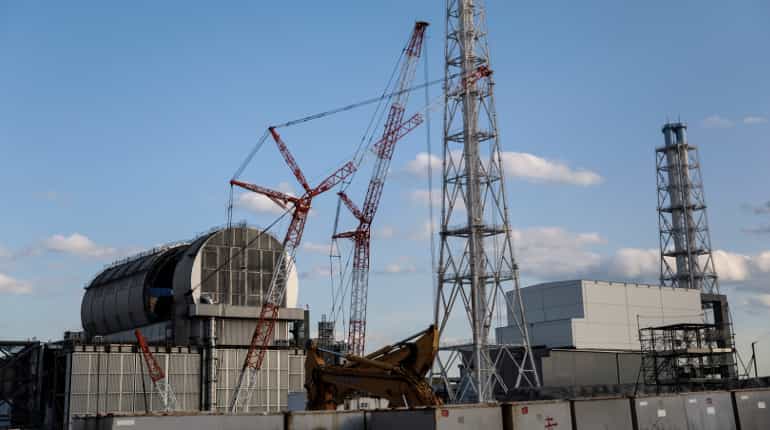
Fukushima
Operatorsof Japan's strickenFukushimanuclear plant unveiled plans Wednesday to construct anunderseatunneltoreleasemore than a million tonnes oftreatedwaterfrom the site into the ocean.
Plans for the one-kilometre tunnelwere announced after the Japanese government decided in April toreleasethe accumulatedwaterin two years' time.
Ministers say thereleaseis safe because thewaterwill have been processed to remove almost all radioactive elements, and will be diluted.
But the April decision triggered a furious reaction from neighbouring countries, and fierce opposition from local fishing communities.
Tokyo Electric Power Co (TEPCO)said it will start building thetunnelby March 2022 after carrying out feasibility studies and obtaining approval from authorities.
It will have a diameter of about 2.5 metresand will stretch east into the Pacific from tanks at the plant containing around 1.27 million tonnes oftreatedwater.
That includeswaterused to cool the plant, which was crippled after going into meltdown following a huge 2011 tsunami, as well as rain and groundwater that seeps in daily.
An extensive pumping and filtration system extracts tonnes of newly contaminatedwatereach day and filters out most radioactive elements.
But fishing communities fear releasing thewaterwill undermine years of work to restore confidence in their seafood.
The plant's chief decommissioning officer Akira Ono said Wednesday that releasing thewaterthrough atunnelwould help prevent it flowing back to the shore.
"We will thoroughly explain our safety policies and the measures we are taking against reputation damage, so that we can dispel concerns held by people involved in fisheries" and other industries, Ono told reporters.
In a statement, TEPCO said it was ready to pay compensation for reputation damage related to therelease.
TEPCO also said it would accept inspections by the International Atomic Energy Agency on the safety of therelease. The IAEA has already endorsed Japan's decision.
Prime Minister Yoshihide Suga has called disposing of thewateran "inevitable task" in the decades-long process of decommissioning the nuclear plant.
Debate over how to handle thewaterhas dragged on for years, as space to store it at the site runs out.
The filtration process removes most radioactive elements from thewater, but some remain, including tritium.
Experts say the element is only harmful to humans in large doses and with dilution thetreatedwaterposes no scientifically detectable risk.