Doctor warns of serious risks to babies due to malnutrition in Gaza

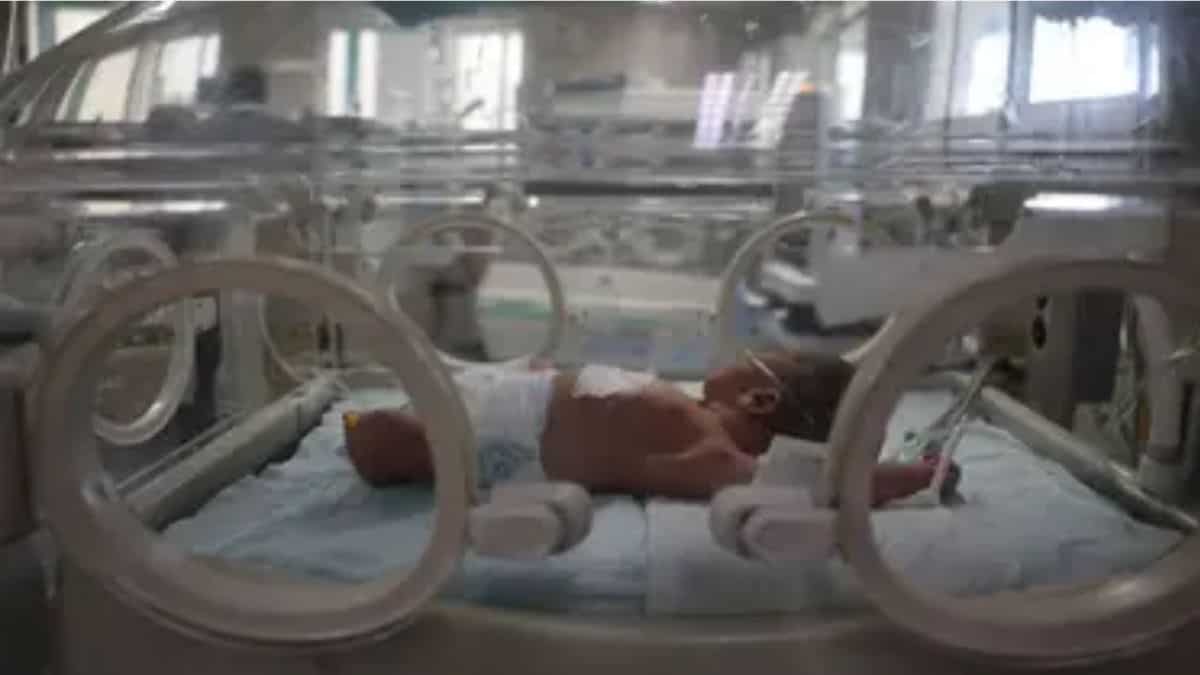
File photo
In a hospital located in northern Gaza, a pediatrician expressed his helplessness in aiding over half of the infants under his care due to severe food shortages.
Dr. Imad Dardonah, a pediatrician at Kamal Adwan hospital in northern Gaza, voiced distress over the dire situation faced by infants under his care due to severe food shortages.
He lamented that more than half of the babies brought to the hospital cannot be adequately treated due to the lack of essential supplies.
In his statement, Dr. Dardonah emphasised the critical role of malnutrition in escalating child mortality rates. He explained that the hospital struggles to manage 50-60 per cent of the cases received, with the only available options being saline or sugar solutions.
During a UN briefing on Friday, a spokesperson reported the tragic deaths of four children at Kamal Adwan hospital overnight, highlighting the urgency of the situation.
The distressing conditions were captured in a video distributed by the World Health Organization (WHO), depicting infants in incubators enduring cramped conditions and intermittent power outages.
According to the WHO's latest report titled 'Nutrition Vulnerability and Situation Analysis - Gaza', malnutrition is particularly severe in the northern enclave. Shockingly, one in six children under the age of two is acutely malnourished, with almost 3 per cent suffering from severe wasting, the most life-threatening form of malnutrition.
Before the onset of hostilities, malnutrition was a rare occurrence in Gaza, with only 0.8 per cent of children under the age of five acutely malnourished, as reported by the WHO.
The humanitarian crisis in Gaza has reached alarming levels, with at least 576,000 people, constituting a quarter of the population, on the brink of famine, according to the UN Office for the Coordination of Humanitarian Affairs.
In response to the dire situation, Jordan and France have conducted airdrops of aid into Gaza. Additionally, the US announced plans for military airdrops of food and supplies. However, these efforts come amidst tragic incidents, such as the deaths of around 100 Palestinians attempting to reach an aid convoy near Gaza City.
The Israeli offensive, launched in retaliation to an attack by Hamas on Israeli towns, has further exacerbated the crisis. According to Gaza health authorities, over 30,000 Palestinians have lost their lives in the offensive.
Dr. Dardonah has made a heartfelt plea for a ceasefire to facilitate the delivery of aid and food supplies into Gaza, emphasising the urgent need to alleviate the suffering of its inhabitants. The ongoing ceasefire talks have not succeeded as Hamas continues to stick to its demands despite claiming heavy civilian casualties and Israel is not relenting.
(With inputs from agencies)