Uber board makes peace with SoftBank

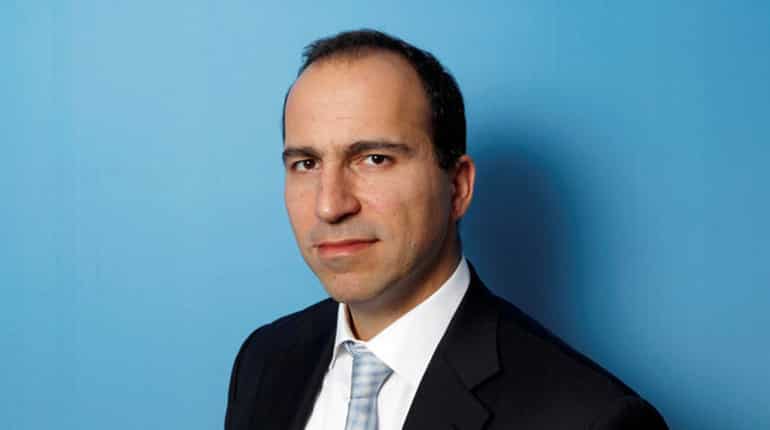
Dara Khosrowshahi
Uber Technologies Inc's fractured board declared peace on Tuesday, attempting to put months of strife behind it by unanimously passing a series of measures to shore up corporate governance
UberTechnologies Inc's fractured board declared peace on Tuesday, attempting to put months of strife behind it by unanimously passing a series of measures to shore up corporate governance, bring in major investor SoftBank and diminish the power of former Chief Executive Travis Kalanick.
The agreement could shore upUber’s reputation after a series of scandals and a legal battle between Kalanick and anUberinvestor group led by Silicon Valley’s Benchmark Capital. The deal could be subject to a lawsuit and is contingent on the multi-billion dollar investment by Japan's SoftBank Group Corp closing in the coming weeks.
The terms preserveUber's $69-billion valuation, highest among the world's venture-backed startups, as SoftBank and others invest about $10 billion.
"SoftBank's interest is an incredible vote of confidence inUber's business and long-term potential," the board said in a statement.
Benchmark General Partner Bill Gurley, who was replaced by a colleague onUber's board in June, said by email, "It was a good day forUber, a good day forUber’s employees, and a good day forUber’s new CEO."
Kalanick described Tuesday's actions as "a major step forward inUber's journey to becoming a world-class public company." He added that the governance changes should serveUberwell under Dara Khosrowshahi, who is a month into the chief executive officer job since leaving the same post at Expedia Inc.
Governance policies adopted by the board would make it difficult for Kalanick to return as CEO. He resigned in June under pressure from the Benchmark-led investor group over employee sexual harassment investigations, a trade-secrets misappropriation lawsuit by Waymo and efforts to interfere with government probes.
A two-thirds majority vote of the board would be required to hire a replacement for Khosrowshahi before the San Francisco start-up holds an initial public offering, according to a person familiar with the matter. The board set a deadline for an IPO of autumn 2019, the sources said.
Uber's board will expand from 11 directors, including a pair of Kalanick appointees seated on Monday, to 17 directors, the person and another source said.
The increase would include four new independent directors for a total of seven. Five board seats would go to company insiders or co-founders, and five would be representatives of investors. The chairperson would be one of the independent directors.
Two of the six new seats would go to SoftBank, the sources said. The other four would be selected by a nominating committee of the board.
Kalanick and other early shareholders also are sacrificing voting power, asUberadopts a one vote per share policy, the sources said.
EarlyUberinvestors Shervin Pishevar and Steve Russell said in a statement after Tuesday's vote that they would sue to block the change, which cuts the super-voting rights that give them 10 votes per share. If successful, such a lawsuit could threaten the other terms of the boardroom compromise.
"Today's action by the board was the culmination of a blatant bait and switch, essentially robbing loyal employees, including the more than 200 early foundingUberemployees and advisors, of their hard earned shareholder rights," Pishevar and Russell said.
For Kalanick, agreeing to drop his voting power could enable him to resolve his dispute with Benchmark. The changes decided Tuesday would prompt Benchmark to end a lawsuit and arbitration proceedings against Kalanick, the two sources and another said.
Benchmark sees gains in the agreement, too. ShouldUbernot go public by autumn 2019, the venture capital firm and other large, early shareholders would be free to divest shares without company approval, two of the sources said.
A consortium of SoftBank, Dragoneer Investment Group and General Atlantic plan to invest $1 billion to $1.25 billion at the valuation of $69 billion, two of the people said. The investment firms also plan to buy 14 to 17 percent of existingUbershares from employees and current investors at a discounted valuation, bringing the maximum value of the total package to around $10 billion.