Coronavirus kills 15,000 mink in US, as Denmark prepares for nationwide cull

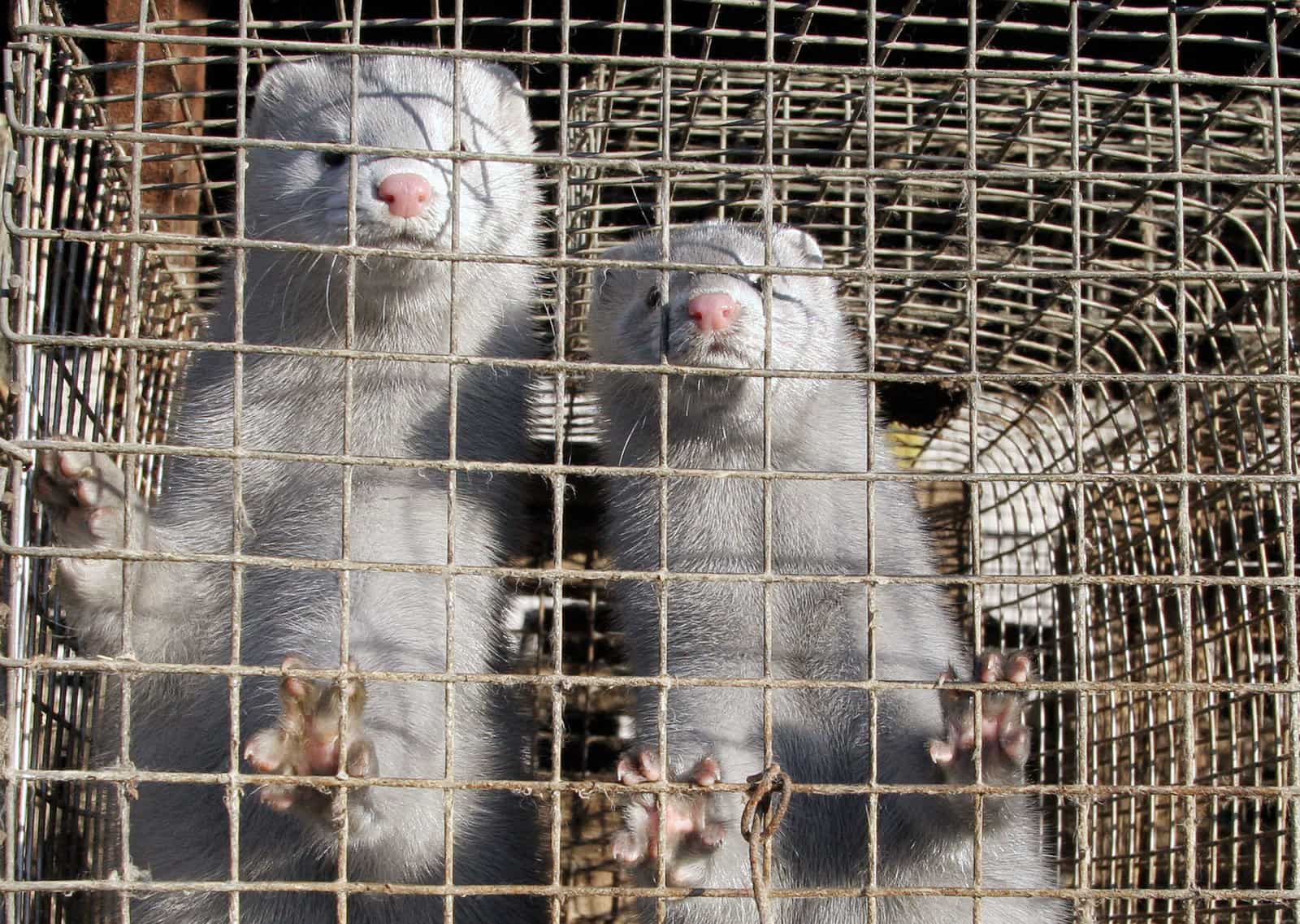
More than 15,000minkin the United States have died of the coronavirus since August, and authorities are keeping about a dozen farms under quarantine while they investigate the cases, state agriculture officials said.
Global health officials are eying the animals as a potential risk for people after Denmark last week embarked on a plan to eliminate all of its 17 millionmink, saying a mutated coronavirus strain could move to humans and evade future COVID-19 vaccines.
The USstates of Utah, Wisconsin, and Michigan,where the coronavirus has killedmink,said they do not plan to cull animals and are monitoring the situation in Denmark.
"We believe that quarantining affectedminkfarms in addition to implementing stringent biosecurity measures will succeed in controlling SARS-CoV-2 at these locations," the U.S. Department of Agriculture told Reuters on Tuesday.
The USDA said it is working with the USCenters for Disease Control and Prevention, state officials and theminkindustry to test and monitor infected farms.
The United States has 359,850minkbred to produce babies, known as kits, and produced 2.7 million pelts last year. Wisconsin is the largestmilk-producing state, followed by Utah.
Sickminkin Wisconsin and Utah were exposed to people with probable or confirmed COVID-19 cases, the USDA said. In Michigan it is still unknown if theminkwere infected by humans, according to the agency.
In Utah, the first U.S. state to confirmminkinfections in August, about 10,700minkhave died on nine farms, said Dean Taylor, state veterinarian.
"On all nine, everything is still suggesting a one-way travel from people to theminks," he said.
Coronavirus testing has been done onminkthat die and randomly on the affected farms, Taylor said. Like people, someminkare asymptomatic or mildly affected, he said.
The CDC said it was supporting states' investigations into sickmink, including testing of animals and people.
"These investigations will help us to learn more about the transmission dynamics betweenmink, other animals around the farms and people," the CDC said. "Currently, there is no evidence that animals play a significant role in the spread of SARS-CoV-2 to people."
Coronavirus is thought to have first jumped to humans from animals in China, possibly via bats or another animal at a food market in Wuhan, although many outstanding questions remain.
Monitoring USminkfor virus symptoms and quarantining infected farms should limit the disease's spread if cases are caught early, said Richard Webby, a virologist at St. Jude Children's Research Hospital in Memphis.
"I'm fairly confident that as long as they have that surveillance going and it's strong enough, then they should be able to prevent the spread," he said.
USauthorities are urging farmers to wear protective gear like masks and gloves when handlingminkto avoid infecting the animals.
In Wisconsin, about 5,000minkhave died on two farms, State Veterinarian Darlene Konkle said.
One farm is composting the deadminkto dispose of the carcasses without spreading the virus, Konkle said. Authorities are working with the second farm to determine how to dispose of themink, and dead animals are being kept in a metal container in the meantime, she said.
Michigan declined to disclose how manyminkhave died, citing privacy rules.
State officials said they are working with the USDA to determine whether farmers can sell the pelts of infectedmink. The pelts are used to make fur coats and other items.
The coronavirus has also infected cats, dogs, a lion and a tiger, according to the USDA. Experts sayminkappear to be the most susceptible animal so far.