Climate Change: Ice shelf the size of Rome collapses in East Antarctica; scientists sound the alarm

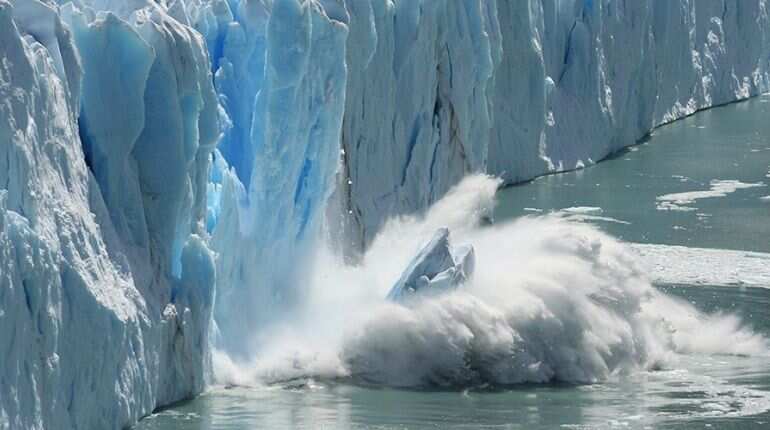
Conger ice shelf
Within days of record high temperatures in East Antarctica, an ice shelf the size of Rome collapsed completely in East Antarctica.
Scientistsreportthat the Conger ice shelf collapsed around 15 March, it had a surface area of approximately 1,200 square kilometres.
Despite the small size of the Conger ice shelf, Dr Catherine Colello Walker, Earth and planetary scientist said, “it is one of the most significant collapse events anywhere in Antarctica since the early 2000s when the Larsen B ice shelf disintegrated”.
Walker said it won't have significant effects, but it could be a sign of things to come.
Concordia station in East Antarctica, recorded a record temperature of -11.8C on 18 March, about 40C higher than seasonal norms. Temperature records were set as a result of an atmospheric river that trapped heat over the continent.
Walker noted that the Conger ice shelf had been shrinking since the mid-2000s, but it was only slowly diminishing until the start of 2020.
Yet by 4 March, the ice shelf appeared to have lost more than half its surface area as compared with January measurements of approximately 1,200 square kilometres.
Glaciologist and assistant professor at the University of Minnesota, Peter Neff, said that even the collapse of a small ice shelf in East Antarctica was a surprise.
Satellite data from the Copernicus Sentinel-1 mission indicated the ice shelf began moving between 5 and 7 March.
Professor Helen Amanda Fricker of the Scripps Polar Center said three calving events occurred in East Antarctica in March - that is, ice chunks broke off from the edge of a glacier. In addition to the collapse of the Conger ice shelf, the Totten glacier and Glenzer ice shelf also had smaller but similar events.
“Much of East Antarctica is restrained by buttressing ice shelves, so we need to keep an eye on all the ice shelves there,” Fricker said in a tweet.
In 2002, the Larsen B ice shelf collapsed because of surface melting.
Alex Sen Gupta, an associate professor at the University of New South Wales, said the Antarctic heat event started on 15 March. According to him, large parts of eastern Antarctica experienced temperatures over 20C above normal.
Due to the fact that ice shelves are already floating, the Conger ice shelf breakup will not have much impact on the sea level, according to Matt King, the director of the Australian Centre for Excellence in Antarctic Science.
Watch |Temperatures soar by 30 degrees Celsius in Antarctica
However, climate change will lead to more ice shelves breaking up in the future, King warned. In the coming years, we will see massive ice shelves - bigger than this one - breaking up. This will hold back a lot of ice - enough to seriously boost global sea levels, he added.
Scientists are particularly concerned about the future of the Thwaites glacier, which is the size of Florida and is dubbed the "doomsday glacier" because it contains enough water to raise sea levels globally by more than half a meter.
According to King, the breakup of the Conger ice shelf is an example that things can change quickly.Ultimately, our carbon emissions will affect Antarctica, and the continent will affect the rest of the world's coastlines, possibly faster than we expect, he warned.
(With inputs from agencies)

