Bitcoin to become legal tender in El Salvador from September

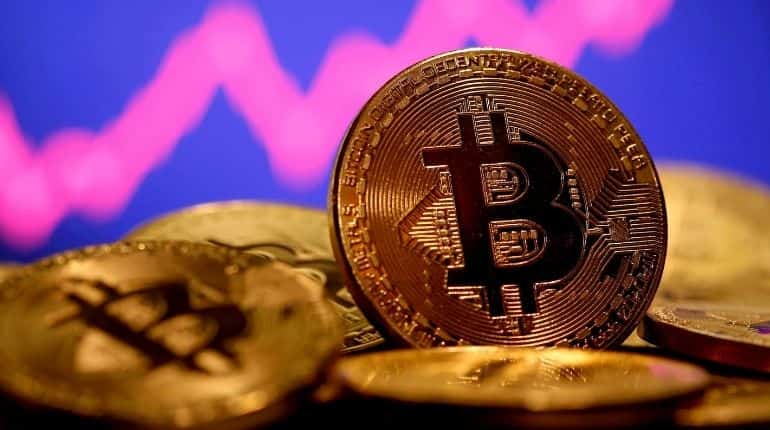
Bitcoin
ElSalvador's President Nayib Bukele said in a national address on Thursday that a recently passed law making bitcoinlegaltenderwill take effect onSept. 7, noting that its use will be optional.
ElSalvador's Congress already approved Bukele's proposal to embrace the cryptocurrency, makingElSalvadorthe first country in the world to adoptbitcoinaslegaltender.
"The use ofbitcoinwill be optional, nobody will receivebitcoinif they don't want it... If someone receives a payment inbitcointhey can choose to automatically receive it in dollars," said Bukele.
Salaries and pensions will continue to be paid in U.S. dollars, said Bukele, without specifying if that included salaries paid to state workers and private sector employees.
Earlier in the day, AthenaBitcoinsaid it plans to invest over $1 million to install some 1,500 cryptocurrency ATMs inElSalvador, especially where residents receive remittances from abroad.
According to AthenaBitcoin's website, the ATMs can be used to buybitcoins or sell them for cash.
"One of the reasons we passed thebitcoinlaw is precisely to help people who send remittances," said Bukele, adding the high costs of commissions traditionally associated with sending money home would beeliminated by using the cryptocurrency.
ElSalvadorrelies heavily on money sent back from workers abroad. World Bank data showed remittances to the country made up nearly $6 billion or around a fifth of gross domestic product (GDP) in 2019, one of the highest ratios in the world.
Less than 1% of the volume of global cross-border remittances are currently in cryptocurrency, according to Kenneth Suchoski, U.S payments and fintech analyst at Autonomous Research. But in the future crypto is expected to account for a larger slice of the more than $500 billion in global annual remittances.