Anti-curfew demonstrations erupt in Netherlands as Europe battles virus

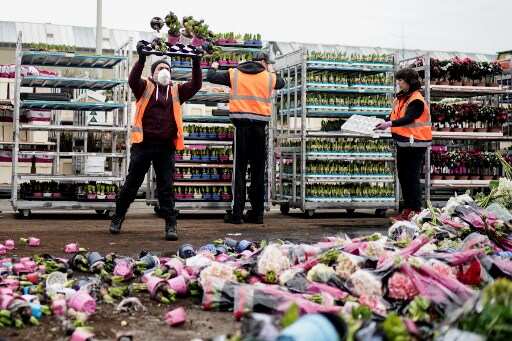
Flowers are destroyed at FloraHolland Naaldwijk in Honselersdijk
The Netherlands witnessed anti-curfew demonstrations clashes as Europe continues to impose restrictions amid a surge in coronavirus cases.
Watch:
Dutch police used water cannons, dogs and mounted police to disperse the protesters who were throwing stones at the city's museum square even as close to hundred protesters were detained for resorting to violent means including throwing fireworks and 3,600 people were fined for breaching curfew.
Amid the escalation in violence, Mayor Femke Halsema designated the square as a "high-risk zone" and gave police the power to pre-emptively frisk people for weapons.
A COVID-19 testing centre was also set on fire in the village of Urk in north Netherlands. A number of vehicles were set ablaze and businesses were looted at Eindhoven's central train station as the unrest erupted a day after the curfew was imposed.
The curfew which is largely intended to target the new COVID-19 variant is one of the toughest moves yet implemented by the Dutch government. Under the new rules, only people with pressing needs including key workers and those with medical emergencies will be allowed to leave their homes between 9:00pm and 4:30 am.
In Denmark, two men were arrested on Saturday for burning the effigy of PM Mette Frederiksen during an anti-restriction protest as thousands protested in Madrid.
Meanwhile, France introduced a requirement for incoming travellers from EU to show a recent negative coronavirus test even as Sweden said it will prohibit entry of travellers from Norway for three weeks amid a surge in cases.
As the number of cases continues to rise, British drugmaker AstraZeneca said it will deliver 3 million doses of its COVID-19 vaccine in February. German health minister Jens Spahn said that the government is committed to its goal of vaccinating all citizens older than 80 years by the end of March.
Germany had crossed 50,000 coronavirus deaths since the start of the pandemic last Friday.