
&imwidth=800&imheight=600&format=webp&quality=medium "'We have prepared to reveal new cards on the battlefield': Ghalibaf warns Trump; reports indicate Khamenei 'greenlighting' talks")
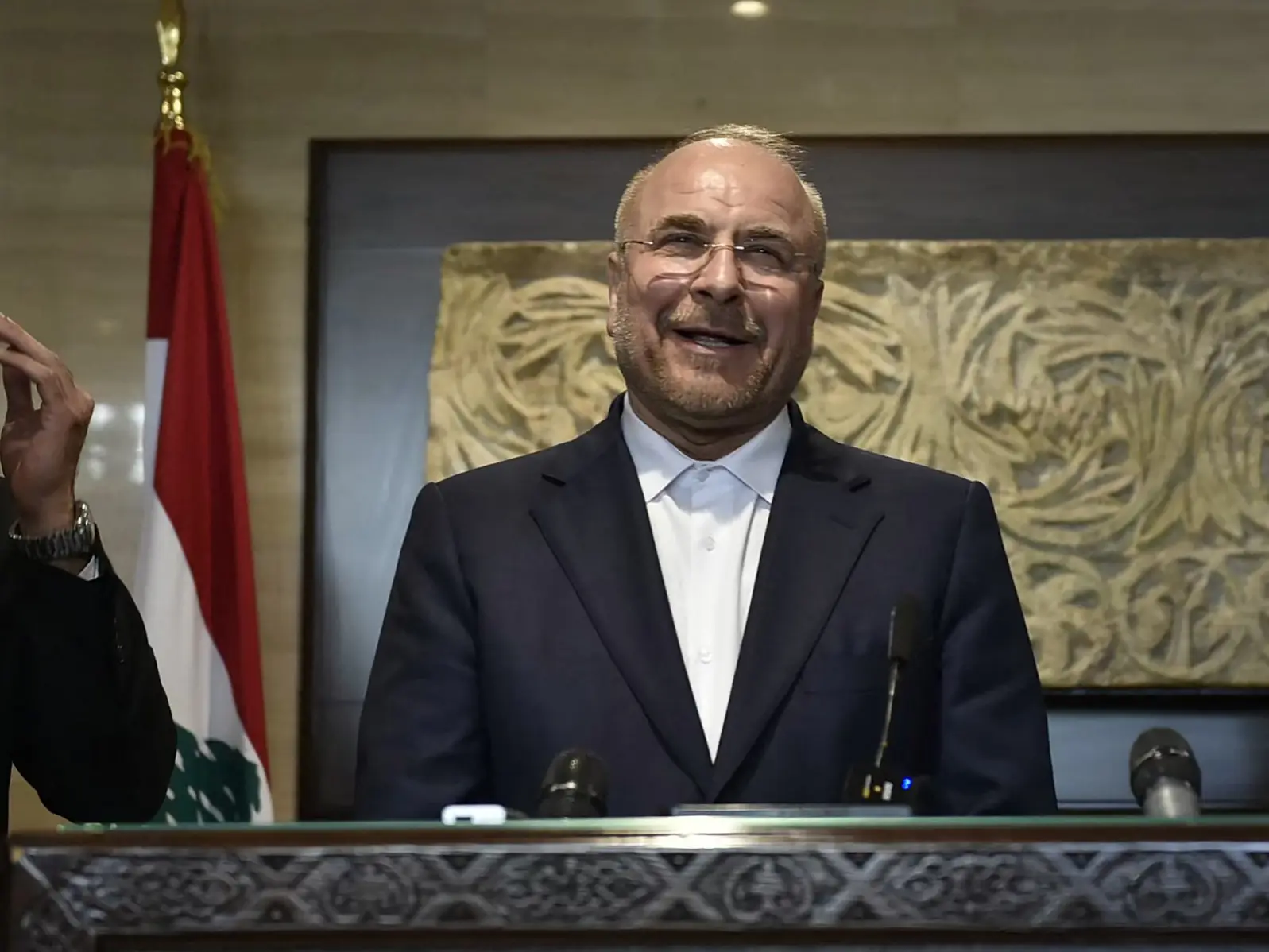
Iranian Parliament Speaker Mohammad Ghalibaf said that US President Donald Trump is attempting to reshape negotiations into coercion, warning that Tehran rejects talks conducted under pressure. President Donald Trump “seeks to turn this negotiating table— in his own imagination— into a table of surrender or to justify renewed warmongering,” Ghalibaf said in a post on X on Monday (April 20). “We do not accept negotiations under the shadow of threats, and in the past two weeks, we have prepared to reveal new cards on the battlefield,” the post added. Meanwhile, several reports quoted Iranian media and Axios saying that Iran's new Supreme Leader Mojtaba Khamenei has given the “green light” for Iran’s negotiating team to travel to Islamabad for a fresh round of high-stakes talks with the United States.
Separately, Iranian Foreign Minister Abbas Araghchi said Iran is reviewing all options following discussions with Pakistani Foreign Minister Ishaq Dar, as tensions continue over a potential US-Iran ceasefire framework. Iran’s Foreign Ministry said the country “is taking all aspects into consideration” and will decide its next steps while continuing consultations. The ministry also thanked Pakistan for its “good offices and mediation” but accused the United States of undermining diplomacy through “provocative actions” and alleged ceasefire violations, including threats against Iranian commercial vessels.
Also Read: Lori Chavez-DeRemer resigns from Trump's cabinet as labour secretary amid misconduct allegations

Pakistan’s Foreign Ministry confirmed that diplomatic channels remain open despite uncertainty over the next round of talks between Washington and Tehran. Earlier, US President Donald Trump said he expects the ceasefire window with Iran to expire “Wednesday evening Washington time,” adding it is “highly unlikely” he would extend it without progress on a deal.
Disclaimer: WION takes utmost care to accurately and responsibly report ongoing conflicts in West Asia involving Israel, Iran, the US, Gulf nations, and non-state actors like Hezbollah, Hamas, Houthis, Islamic State, and others. Claims and counterclaims, disinformation and misinformation are being made online and offline. Given this context, WION cannot independently verify the authenticity of all statements, social media posts, photos, and videos.

