What is Nobelitis? When Nobel Prize winners start yapping about psychics, paranormal and glowing raccoons

&imwidth=600&imheight=450&format=webp&quality=medium "What is Nobelitis? When Nobel Prize winners start yapping about psychics, paranormal and glowing raccoons")
What is Nobelitis? When Nobel Prize winners start yapping about weird things.
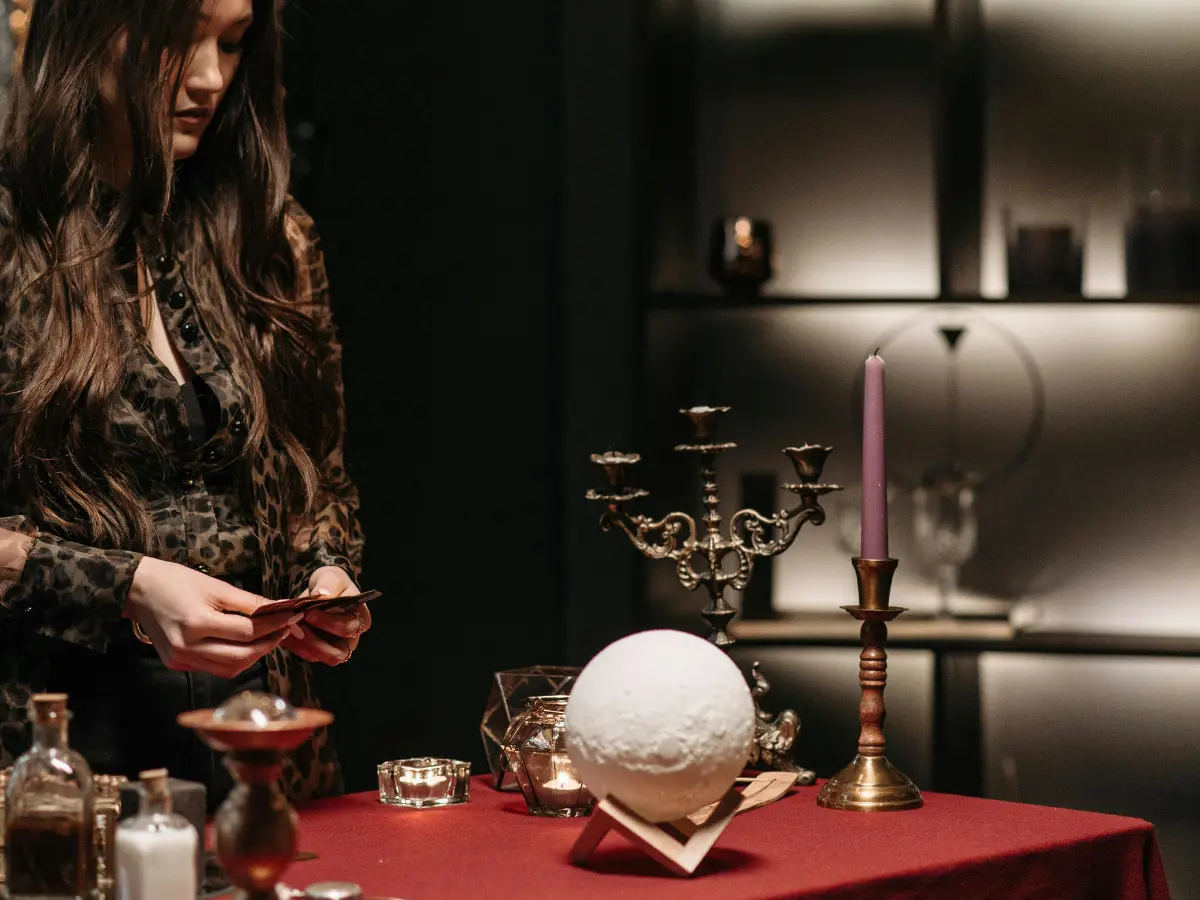
Some Nobel Prize winners are known to have turned towards psychics, mediums and the paranormal after winning. This is often known as "Nobel disease" or “Nobelitis”, and it is not clear why this happens. There are many examples of such people in historical records.
Nobel Prize winners are people who have excelled in their respective fields. You would think that they are extremely smart people, but some of them have reported to have been afflicted by what is called the "Nobel disease" or "Nobelitis". There is a long list of Nobel Prize winners who are said to have suffered from it. Before you think it's a real physical disease, let us tell you that it is something very different and one that has no real explanation. Boosted by their win, it seems their brains start doing their own thing, leading them to come up with weird and unscientific views on different things. According to IFLScience, the win does something to these people who start putting forward pseudoscientific beliefs that have no link to their field of study. According to a chapter in Critical Thinking in Psychology, the list of such Nobel Prize winners is quite long. It mentions strange cases, one of them being of a scientist who claimed that a glowing green raccoon on a motorcycle paid him a visit. However, most of them strangely got interested in psychic research and the paranormal world. Sounds weird for a scientist. Also Read: Scientist reveals HOW and WHEN alien 'mothership' could attack Earth, warns governments to take action
Nobel Prize winners and their bent towards psychic and paranormal
Pierre Curie, the husband of Marie Curie, who won the Nobel Prize in physics for the discovery of radium and polonium alongside his wife, dropped the magnets and was pulled towards things like seances. He proposed that studying the paranormal held the answers to magnetism. Another Nobel winner in Physics, Joseph Thomson, also started leaning towards the psychic phenomena. He was even a member of the Society for Psychical Research for 34 years. Charles Richet, a Nobel winner in physiology or medicine, was pulled towards seances and mediums and coined the word "ectoplasm", used for the release of a substance from mediums (people who claim they talk to spirits). Then there were others who totally dismissed scientific beliefs, despite being science people themselves. Dr Kary Mullis, who won a share of the 1993 Nobel Prize in chemistry, raised doubts over climate change and admitted he believed in astrology. Once, he said, a glowing green raccoon visited him at his cabin in California. It then changed into a singing dolphin. Also Read: Texans warned about sea creature with poisonous sting that feels like fire for hours, even days
Why do such scientific people get into weird theories?
Paul Nurse, a Nobel Prize winner, says this behaviour could boil down to the pressures these people face after winning. He said, that everyone starts seeing you as a "world-leading expert on almost everything." People reach out to them to get their names on petitions, comment on other issues besides science, etc. Nurse thinks this builds pressure on them to learn about other things besides their field of expertise, something he cautions Nobel winners against. Even Isaac Newton had a thing for alchemy and strange religious beliefs. However, this is not a generalisation and there is no data that shows Nobel Prize winners are more inclined to such beliefs. However, it is interesting to know that men and women of science can also lean in towards things that have no explanation.

