

&imwidth=800&imheight=600&format=webp&quality=medium "Secret of the mysterious structures near Norway has finally been revealed")
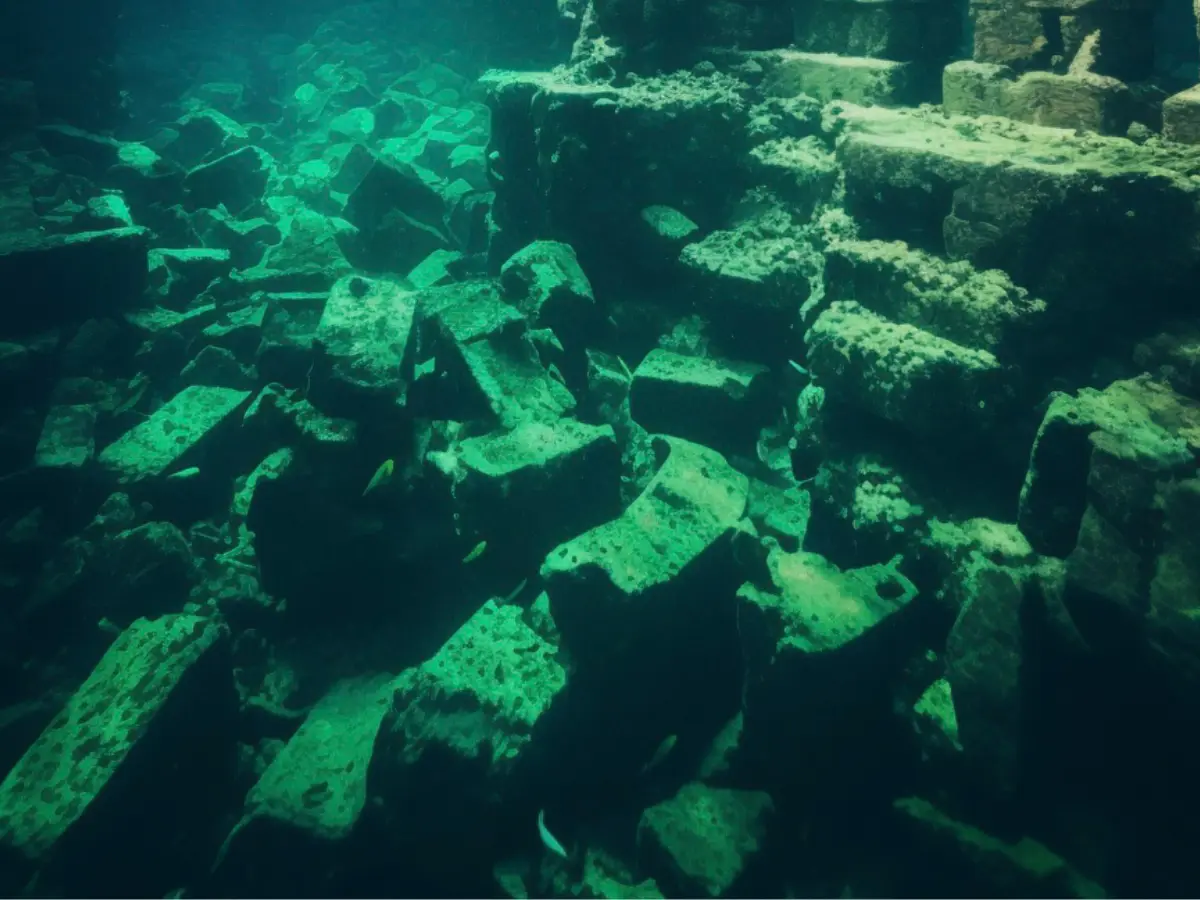
Giant structures under the North Sea have remained a mystery to scientists for years. Scientists gathered seismic data and rock samples from the northern North Sea, off the coast of Norway, to figure out the reason for these kilometres-wide formations. They now have a lead about them, and say that they happened because of a rare geological process. Mammoth mounds of sand are buried in the North Sea. Researchers say that the mounds sank millions of years ago, and pushed the older, less-dense "ooze" under them. The study was published in the journal Communications Earth and Environment. Earlier explanations for the mounds stated that they could have occurred because of landslides, bringing the sand with them and depositing it at the bottom of the sea. Others believed sand and mud were pushed up from below through the rock. Also Read: Scientists raise alarm for US and Canada, warn of 100-foot tsunami that will alter geography for centuries
However, none of these have ever been confirmed. The researchers part of the latest study used a three-dimensional seismic dataset in the entire North Sea to examine the mounds and the rocks. They found that the structures were not the oldest such creation in the waters. The mounds are surrounded by much older, low-density "ooze", largely comprising the fossil remains of ancient microorganisms. Chemically, the mounds were similar to sand that appeared later. In some parts, the mounds were linked to this new sand through fractures in the rock. This hinted that the mounds were formed by younger sands that got shoved under the older "ooze". What normally happens is that the older sand gets buried deeper than the new sand, thus shaping geological history. Also Read: Claims of underground city under pyramids get a boost as scientists detect secret chambers under Great Sphinx
Mystery structures under the ocean
However, in this case, the new sand went under the older sand, which is strange. "This discovery reveals a geological process we haven't seen before on this scale," study co-author Mads Huuse, a geophysicist at the University of Manchester in the UK, said in a statement. "What we've found are structures where dense sand has sunk into lighter sediments that floated to the top of the sand, effectively flipping the conventional layers we'd expect to see and creating huge mounds beneath the sea."
The study notes that this could have happened because of earthquakes or changes in pressure. The sand behaved like a fluid and travelled through the openings and settled underneath the rigid ooze. The mounds that sank were named "sinkites", and the older, floating ooze were named "floatites" because they floated above.

