Little puppy makes miraculous recovery, beats cancer and spontaneously regrows jaw

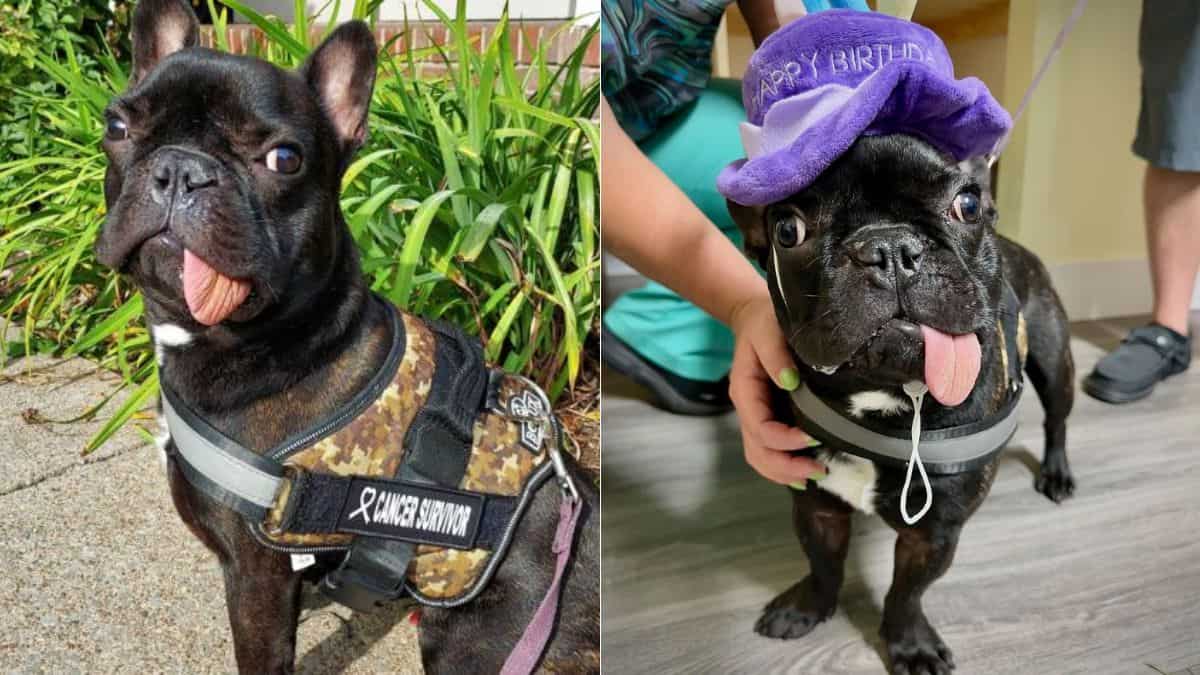
Jaw regrow puppy
In a miraculous recovery for the books, a puppy's jaw regrew spontaneously after it was removed due to cancer. This marks the first of its kind incident for dogs of any age or breed. However, as per the Cornell website, this phenomenon has been reported in children.
A miracle
Tyson, a three-month-old puppy of French bulldog breed, was brought to Cornell's Dentistry and Oral Surgery Service for a cleft palate surgery when the primary veterinarian noticed a cancerous tumour on the dog's jaw.
In a statement, the dentistry and oral surgery resident Alexandra Wright, D.V.M., who led Tyson's care team, detailed that there was an oral papillary squamous cell carcinoma, which he said is a "malignant cancer in dogs."
"Oral squamous cell carcinoma is the second-most common malignant oral tumour in dogs, and this papillary subtype has previously been reported in young dogs," he said.
Wright, along with co-authors DrNadine Fiani, associate clinical professor and section chief, and Dr Santiago Peralta, associate professor in the Dentistry and Oral Surgery Service, has published a report on this case in Frontiers in Veterinary Science.
Most of the puppy's lower left mandible had to be removed to remove the tumour. This, as per the veterinarians, meant Tyson would live a life without a fully functioning lower jaw.
The puppy's owners were sceptical about putting him through the surgery but chose to "give him a chance and continue with surgery."
"We had no idea his jaw would grow back!" they said.
How the miracle happened
According to Cornell College of Veterinary Science's website, the miraculous recovery was likely due to the Periosteum preserved during the surgery. Furthermore, the detection of cancer at an early age also helped the case.
The periosteum contains blood vessels and nerves that support the bone and are also crucial to the growth of the original mandibles.
Wright speculates that "this was likely imperative to the regeneration of new bone."
However, the precise reason remains a mystery. Tyson's new mandible as per the report is "nearly as functional as the original, though it is technically considered abnormal because it no longer has certain features. For instance, there is no mandibular canal, where major blood vessels and nerves typically reside, and there are no teeth."
(With inputs from agencies)

