Kenya’s ‘killer’ cave, believed to be source of Ebola, could bring about the next pandemic

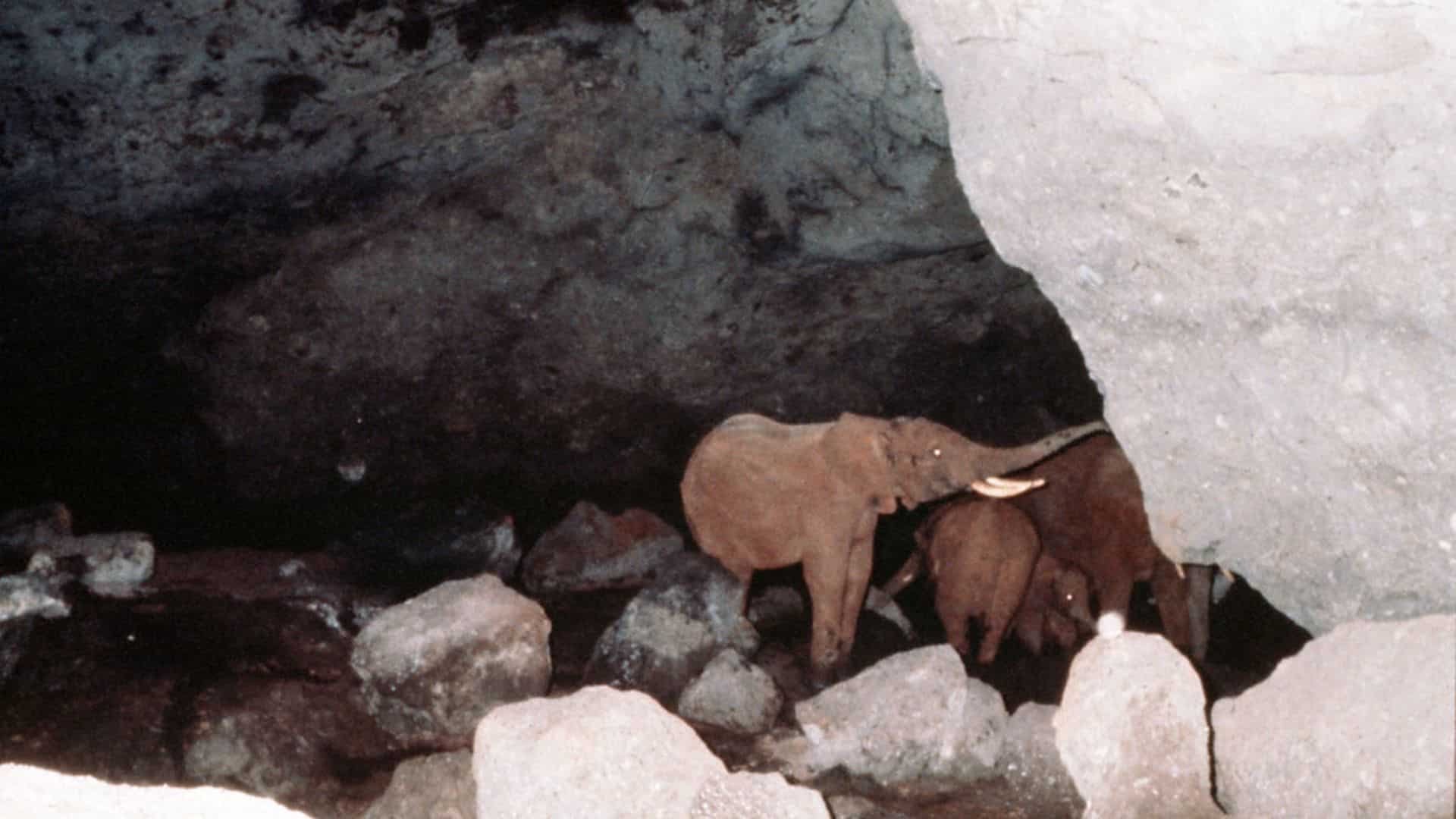
The Kitum cave in Mount Elgon National Park, Kenya
The Kitum cave in Mount Elgon National Park, Kenya, is known as the world's deadliest cave. It's got some really dangerous viruses inside, like Ebola and Marburg. Experts are now worried that the Marburg virus might cause the next big outbreak, and the World Health Organization (WHO) issued a warning about it.
Marburg is an illness marked by bleeding and disruption of bodily functions.It can be deadly, with up to 88 per cent of people dying from it.
The virus spreads through contact with infected people's fluids, and even touching stuff like towels that they've used can pass it on. Plus, fruit bats, common in Africa, can carry the virus too, making it easier for it to spread.
The virus typically remains dormant for at least three weeks before symptoms appear in patients. However, the early signs often mimic those of malaria and Ebola.
Many infected people exhibit sunken eyes and blank facial expressions. In advanced stages, it can lead to bleeding from various body parts such as the vagina, eyes, nose, and gums. There are no vaccines against the virus, so doctors focus on treating symptoms with medications and fluids.
In 1980, during an exploration of Kitum Cave, a French engineer working at a nearby sugar mill accidentally came into contact with the Marburg virus, which causes severe tissue damage.He passed away shortly after being admitted to a hospital in Nairobi.
His rapid deterioration from the viral hemorrhagic fever was described in a book as resembling "the face detaching itself from the skull," with his facial features appearing to hang from the bone as the connective tissue dissolved. Years later, a Danish boy on vacation with his family also fell victim to a similar hemorrhagic virus known as Ravn and died.
A breeding ground for zoonotic infections
The discovery of important salty minerals within the cave has not only attracted elephants but also other animals like buffaloes, antelope, leopards, and hyenas from western Kenya.
This has turned Kitum into a hotspot for diseases that can pass from animals to humans, known as zoonotic infections, according to researchers.
Also watch |Next pandemic likely to be caused by flu virus, scientists warn
The cave, which is 600 feet deep, has been continually excavated and enlarged by elephants,inadvertently providing a habitat for disease-carrying bats, as reported by Science Times.
(With inputs from agencies)