

&imwidth=800&imheight=600&format=webp&quality=medium "Hot weather is slowing down trains in the UK. Here's what's happening")
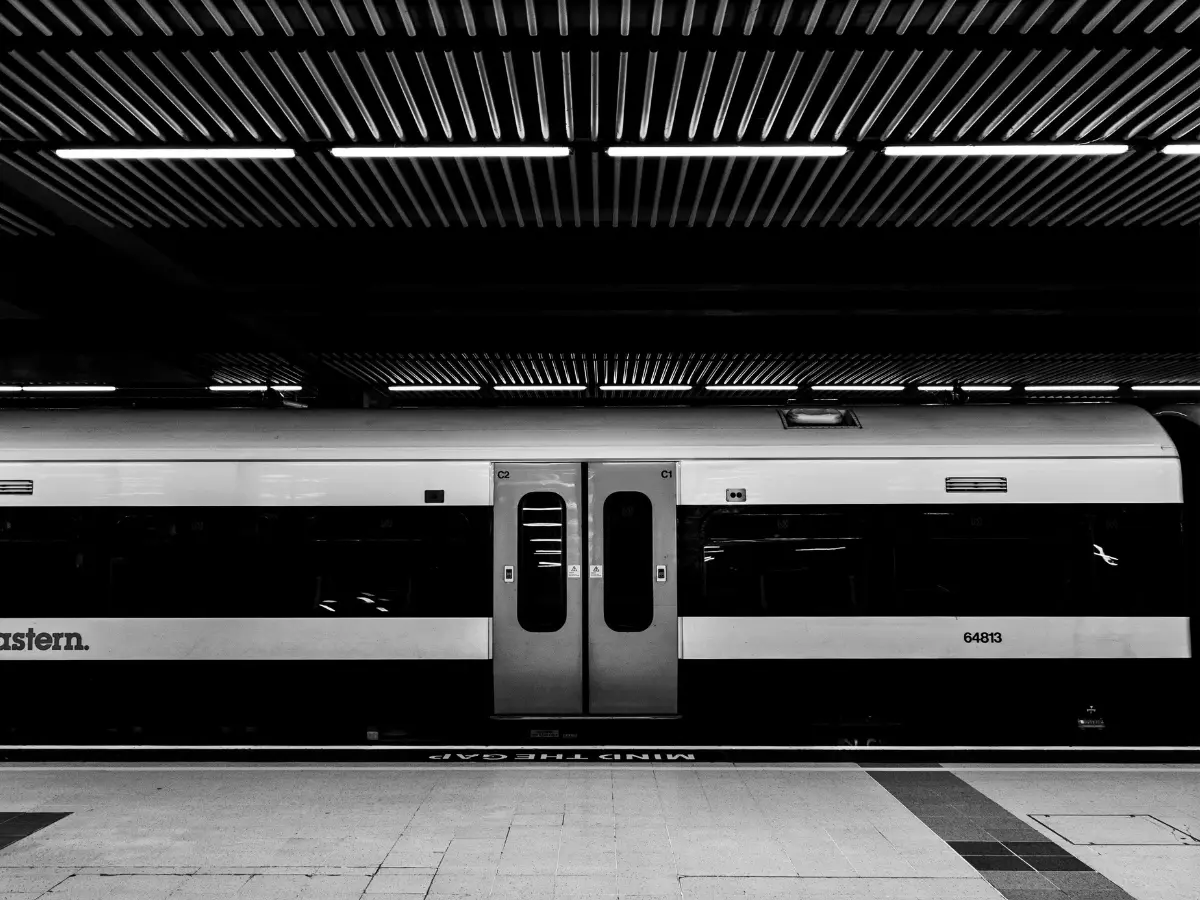
The heat in the United Kingdom is triggering delays in the commute as the trains are running slower than usual. The connection might sound strange, but this is happening not because of some heat storm, but because of the hot and dry weather. This has led to the clay soil on which its rail tracks sit to dry out and shrink. Because of this, the tracks are becoming uneven. Since this problem cannot exactly be fixed, train operators have lowered the speed of the trains for safety reasons. This has already caused a problem as people are unable to reach their destinations on time. Officials have warned people to expect delays and be ready for train cancellations since the timetable is taking a hit. The UK is experiencing one of the hottest summers, with temperatures reaching 30 degrees Celsius. Also Read: 1,000-kilometre 'wall of rain' in UK? Met department says country could face Hurricane Erin after-effects
Trains are moving slower
Network Rail Anglia and C2C are among the train operators hit by the driest spring in over 50 years. It has been forced to change its timetable because of the track conditions. Passengers have been told to check their train status before leaving their homes. Simon Milburn, infrastructure director for Network Rail Anglia, said: “We are really sorry for the disruption to passengers from the timetable alterations, but we need to keep everyone moving safely. He added, that "even with the significant challenges we face with clay soil following prolonged dry spells", the company is doing its best to ensure minimal disruption in services. Also Read: 150km-long feature in Portugal appeared to be tsunami waves. It turned out to be...
Driest spring in 200 years
Meanwhile, South Western Railway, another affected train company, said that the conditions are the driest on record in the last 200 years. It added that the route between Gillingham and Axminster has witnessed terrible levels of dry clay soil embankments for long stretches. C2C, which operates between London and South Essex, said the shrinking of the clay soil has made the tracks uneven, and so the trains can't run as normal for safety reasons. Network Rail pushed a whopping 12,600 tonnes of ballast across its route last year to minimise problems on the track. However, the spring is so dry that the problem has failed to alleviate. It said the problem could only be solved if it rains for a good three months.

