UK to fund bidirectional charging tech that'll make EVs a source of power

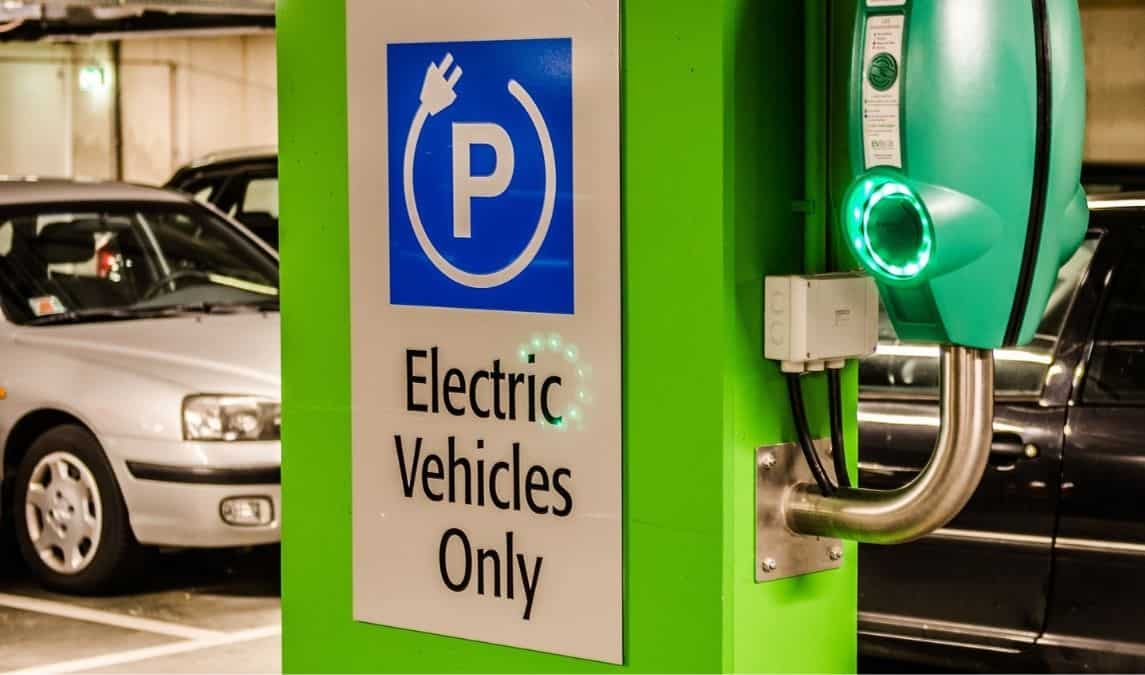
Electric Vehicles
The United Kingdom is spending millions to develop technology that will lead to bidirectional charging of electric vehicles which in turn, would make them a power source in themselves. The step is being taken to help the country achieve its climate goals.
UK's Department for Energy Security and Net Zero said in a statement on Wednesday (Dec 20) that the government has awarded 4.8 million pounds (USD 6.1 million) to four projects that'll work towards developing V2X (vehicle-to-everything) systems.
These four projects are located in London, Chelmsford, Gateshead, and Leatherhead.
The vehicle-to-everything technology will allow owners of electric vehicles to charge them when electricity costs are low according to dynamic pricing and use the energy stored in these vehicles to run home appliances when prices are higher.
Watch | UK: PM Rishi Sunak's 7th by-election since July, to take place in Wellingborough
In other words, bidirectional charging will allow electric vehicles, which usually take energy from the grid, to also release energy back into the grid. In an extrapolated scenario, by letting vehicle owners use energy from their vehicles for household appliances, the electrical grid saves up on fossil fuel power stations when electricity demand is high.
The funding from the government has come at a time when it is facing mounting calls from the industry to find a solution to the country's energy grid limitations.
It is expected that demand for electricity in the UK will double by 2035 as road transport and domestic heating getincreasingly electrified. To meet the increasing electricity demand, networks will have to be upgraded and the generation of electricity boosted further.
Also Read | UK begins testing of hormone-free male birth control pill with 16 participants
Support to develop bidirectional charging technology is expected to help the UK in achieving net-zero emissions by the year 2050. The country is also aiming to end the sale of all new non-zero emission vehicles by the year 2035.
There is a greater push on the global level to take decisive steps to limit climate change, the ill effects of which have already begun to be evident.
(With inputs from agencies)