
&imwidth=800&imheight=600&format=webp&quality=medium "F1 tweaks rules following drivers' discontentment and safety concerns")
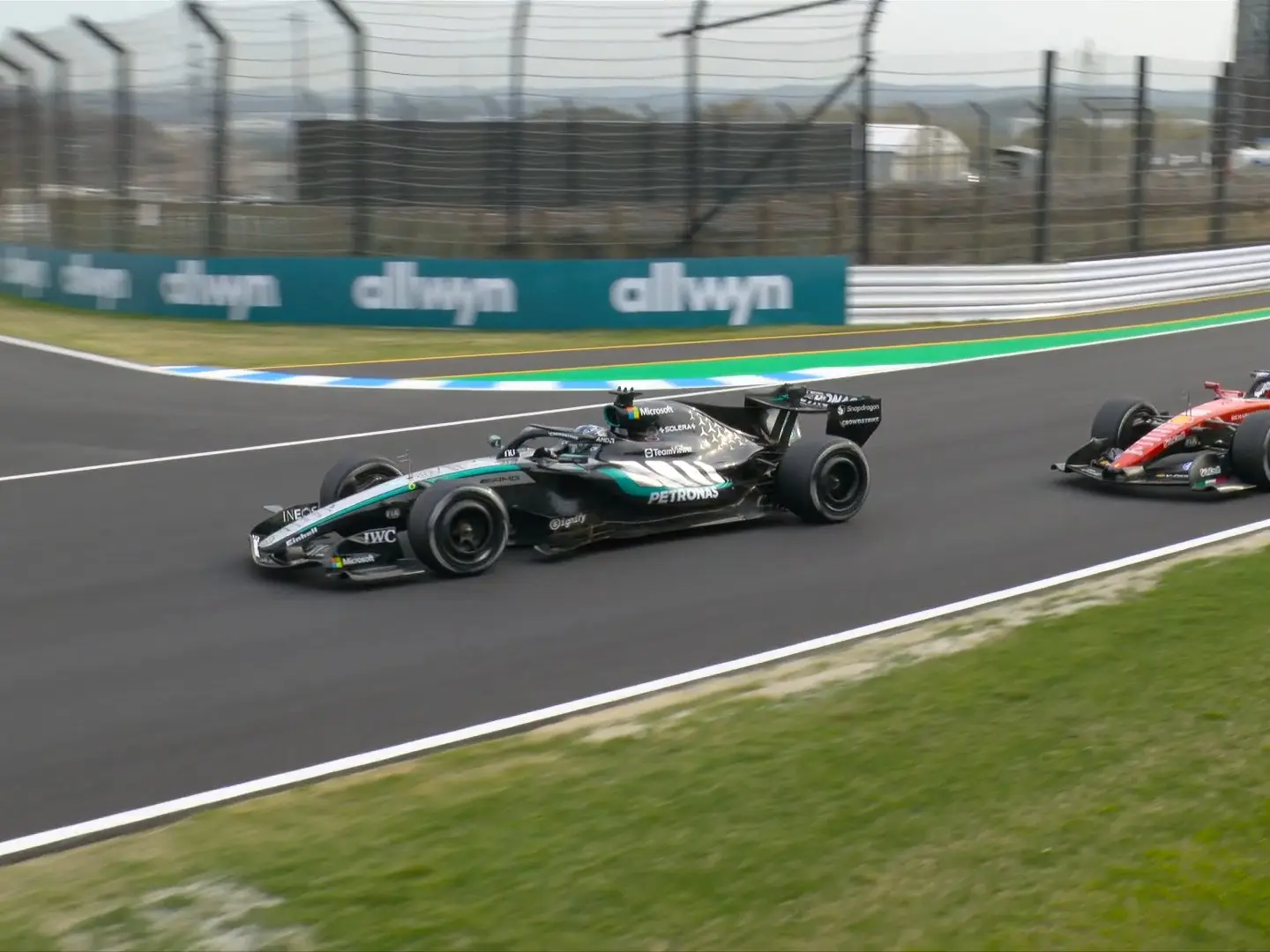
Formula 1 has agreed to tweak the changes brought into the ongoing season after several drivers, including four-time champion Max Verstappen, raised concerns. The new rule changes are expected to be formalised in before the next round in Miami on May 3. The F1 management, which includes team principals and their chief executives, the power unit manufacturers and F1 CEO Stefano Domenicali, agreed to the rule changes on Monday (Apr 20) after multiple rounds of talks following last round in Japan. The rule tweaks address the most important of drivers' concern regarding the 50-50 power split between the electrical energy and internal combustion engine. It also paid heed to safety concerns which were raised following a crash of Oliver Bearman in Japanese Grand Prix because of speed difference.
What are the new major F1 rule tweaks?

The formalised proposal of F1 rules changes, which will come into force from Miami Grand Prix on May 3, included performance improvement in qualifying, enhanced safety and improved performance consistency in races. Below are some of the major changes as shared by F1 in statement:
- Adjustments to energy management parameters in qualifying, including a reduction in maximum permitted recharge from 8MJ to 7MJ, aimed at reducing excessive harvesting and encouraging more consistent flat-out driving. This change targets a maximum superclip duration reduced to approximately two to four seconds per lap.
- Peak superclip power increased to 350 kW, previously being 250 kW, further reducing the time spent recharging, and reducing driver workload on energy management. This will be applied in race as well as qualifying conditions.
- The maximum power available through the Boost in race conditions is now capped at +150 kW (or the car’s current power level at activation if higher) limiting sudden performance differentials during races.
- MGU-K deployment is maintained at 350 kW in key acceleration zones (from corner exit to braking point, including overtaking zones) but will be limited to 250 kW in other parts of the lap.
- A new ‘low power start detection’ system has been developed, capable of identifying cars with abnormally low acceleration shortly after clutch release at the start of the race.
- An associated visual warning system is being introduced, activating flashing lights (rear and lateral) on affected cars to alert following drivers.
- Tyre blanket temperatures for intermediate tyres have been increased following driver feedback in order to improve initial grip and tyre performance in wet conditions.

