Afghan diplomats under pressure from Taliban regime

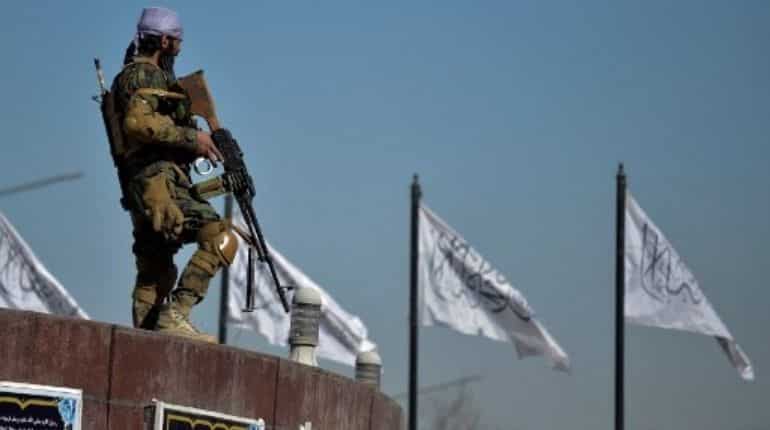
Taliban regime
Afghanembassies around the world that have refused to recognise the newTalibanregimeare struggling to stay afloat and facing increasingpressurefromKabul to accept loyalist replacements.
None of the country's 60 or so ambassadors, consuls or heads of diplomatic missions who were appointed by Western-backed former president Ashraf Ghani have agreed to serve the hardline Islamist group since it seized power in August last year.
TheTalibangovernment has yet to be formally recognised by any nation, and the international community is grappling with how to deal with the country's new rulers while also helping Afghans face an economic and humanitarian crisis.
"We are in a very unfortunate ... situation, but we still have to continue to operate in these difficult circumstances," said Youssof Ghafoorzai, the ambassador to Norway.
"The embassies still have a very important role to play in terms of trying to increase whatever humanitarian support is possible. But also (to help) discussions on the political track... to stabilise the situation."
Aid and cash reserves, frozen by the United States and the international community after theTalibanseized control, are trickling back into the country, which has long depended almost entirely on donors.
But Ghafoorzai and his colleagues have had no contact with the newregime, and staff have not been paid for months.
TheAfghanembassy and its consulates in the United States are being shut in the coming week.
"TheAfghanEmbassy and consulates areundersevere financialpressure. Their bank accounts are not available to them," a US State Department official told AFP.
The embassy and Washington have made arrangements for an "orderly shutdown of operations in a way that would protect and preserve all diplomatic mission property in the United States until operations are able to resume," the official said.
Across the world,Afghanambassadors have been forced to dramatically scale down their activities, reduce energy bills and food costs, and even move into smaller premises.
They have also increased consular fees to generate revenue.
"The embassy is not receiving any funding or financial assistancefromKabul," Farid Mamundzay, the ambassador in New Delhi, told AFP.
"In the absence of the required financial support and depletion of resources, we have not been able to pay the staff salaries for months and had to downsize the strength and reduce the expenditure of the mission to the lowest."
It is not clear how long visas, certificates and other documents issued by the holdout embassies will be recognised -- either by theTalibanor the international community.
New passports issued in Kabul now refer to the country by theTaliban's name, the Islamic Emirate of Afghanistan, while officials have warned foreign journalists arriving with visas issued independently by the Dubai embassythat they may not be honoured in future.
Squeezed out
In a handful of countries near Afghanistan, some ambassadors have left their posts or been pushed out by theTaliban, who have inserted their own representatives -- but even the replacements face hardship.
In Pakistan, salaries have not been paid since September. Employees live on incomefromvisa and passport renewal fees and marriage certificates, said a source at the consulate in Peshawar, near theAfghanborder.
The new consul general appointed by theTalibanreceives just 50,000 rupees ($280) a month compared with the nearly $5,000 his predecessor made, the source added.
TheTalibanmade Pakistan, long accused of aiding their cause, the first country to which they sent a new representative.
In Beijing, the ambassador resigned when a senior diplomat loyal to theTalibanwas appointed to the embassy, which he is now unofficially leading.
TheTalibanhave also managed to impose their men in Uzbekistan and Iran.
Russia, meanwhile, said it was ready to accept "two or three" newdiplomats, but that they would not take the place of the current ambassador.
Threats and intimidation
TheTalibandid not respond to AFP's requests for comment, but they have previously claimed to largely have control overAfghanembassies.
However, they have failed to have one of their top spokesmen, Suhail Shaheen, accredited as ambassador to the United Nations, with the General Assembly indefinitely postponing a vote on the matter.
In Rome, Italian police had to intervene after a scuffle between theAfghanambassador and a recently dismissed pro-Talibandiplomat who claimed he had been given the top job.
"There have been threats, intimidation and violence in some of our missions by disgruntled ex-employees that are ideologically pro-Taliban," said Khaled Zekriya, the ambassador in Rome.
"TheTalibanadministration tried to persuade our embassy to work on their behalf, but I said no.
"My answer will stay the same until an inclusive representative government will be established in Afghanistan, where theTalibanwill be a part, not the only part, of this government."
Watch |Afghanistan and now Ukraine...Is US about to lose its hegemony?
TheTalibanhave also sent delegationsfromKabul to Oslo and Geneva, bypassing local embassies, for talks with Western powers.
Afghandiplomatic missions -- in particular those in the West -- united to openly criticise theTalibanfor their failure to respect human rights ahead of the Oslo visit in January.
"It's a difficult situation," said Ghafoorzai, the ambassador to Norway.
"But we also know that we continue to represent a people that have suffered enormous difficulties throughout their history."