

&imwidth=800&imheight=600&format=webp&quality=medium "Who was the first man to lose his life in space? The untold story of Vladimir Komarov")
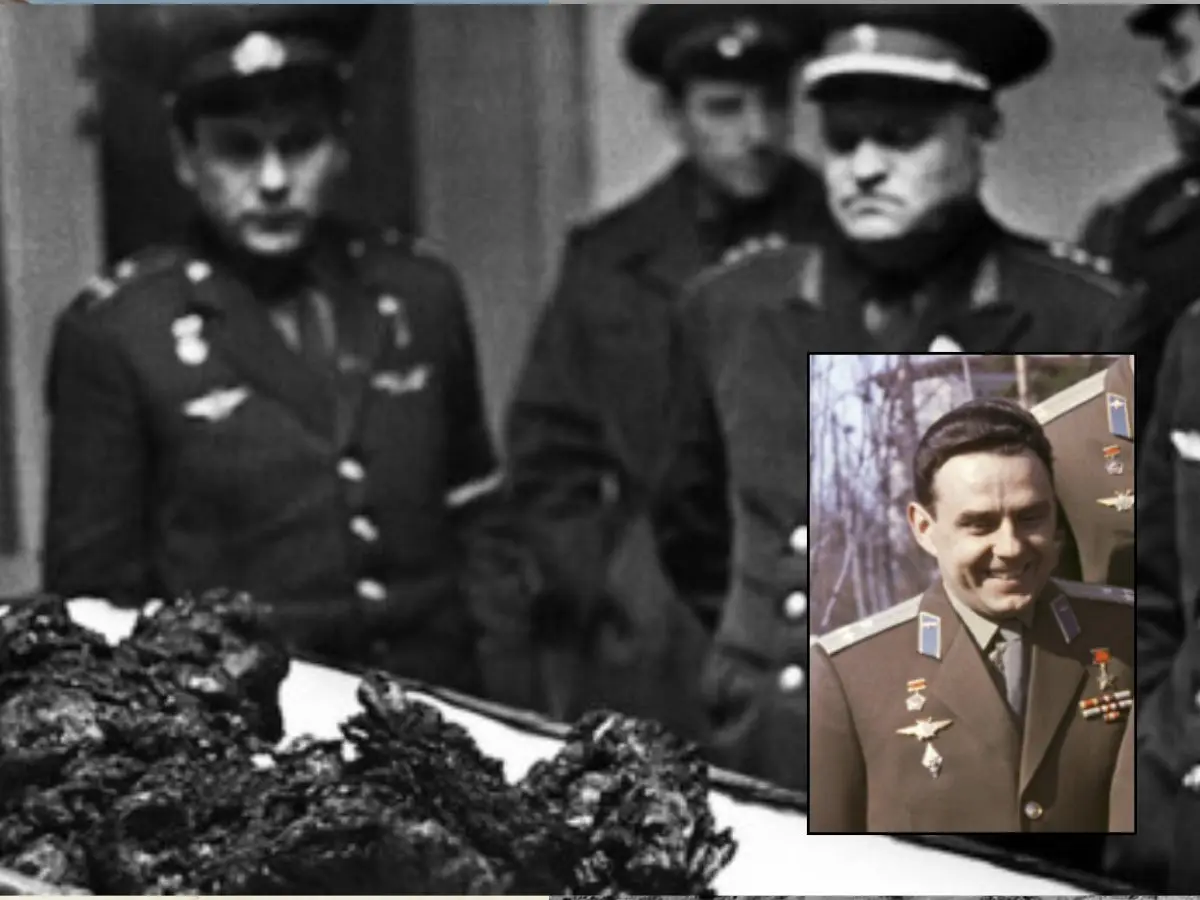
Vladimir Komarov, a seasoned Soviet cosmonaut, became the first human to lose his life during a space mission on April 24, 1967. Tasked with testing the experimental Soyuz 1 spacecraft, he faced technical failures that turned a routine mission into a fatal tragedy. Komarov’s determination to complete the flight despite life-threatening malfunctions, the political pressures of the space race, and the ultimate failure of his parachute make his story both haunting and pivotal in the history of human space exploration. His death exposed the perils of early space travel and reshaped safety protocols for future missions.
Early life and career
Born on March 16, 1927 in Moscow, Vladimir Komarov began his journey into aviation at the age of 15 when he joined the Soviet Air Force. He graduated from the Zhukovsky Air Force Engineering Academy in 1959 and quickly rose through the ranks. In 1964, he commanded Voskhod 1, the first spaceflight to carry more than one crew member, solidifying his status as a prominent figure in the Soviet space programme. His second mission, Soyuz 1, would tragically become his last.
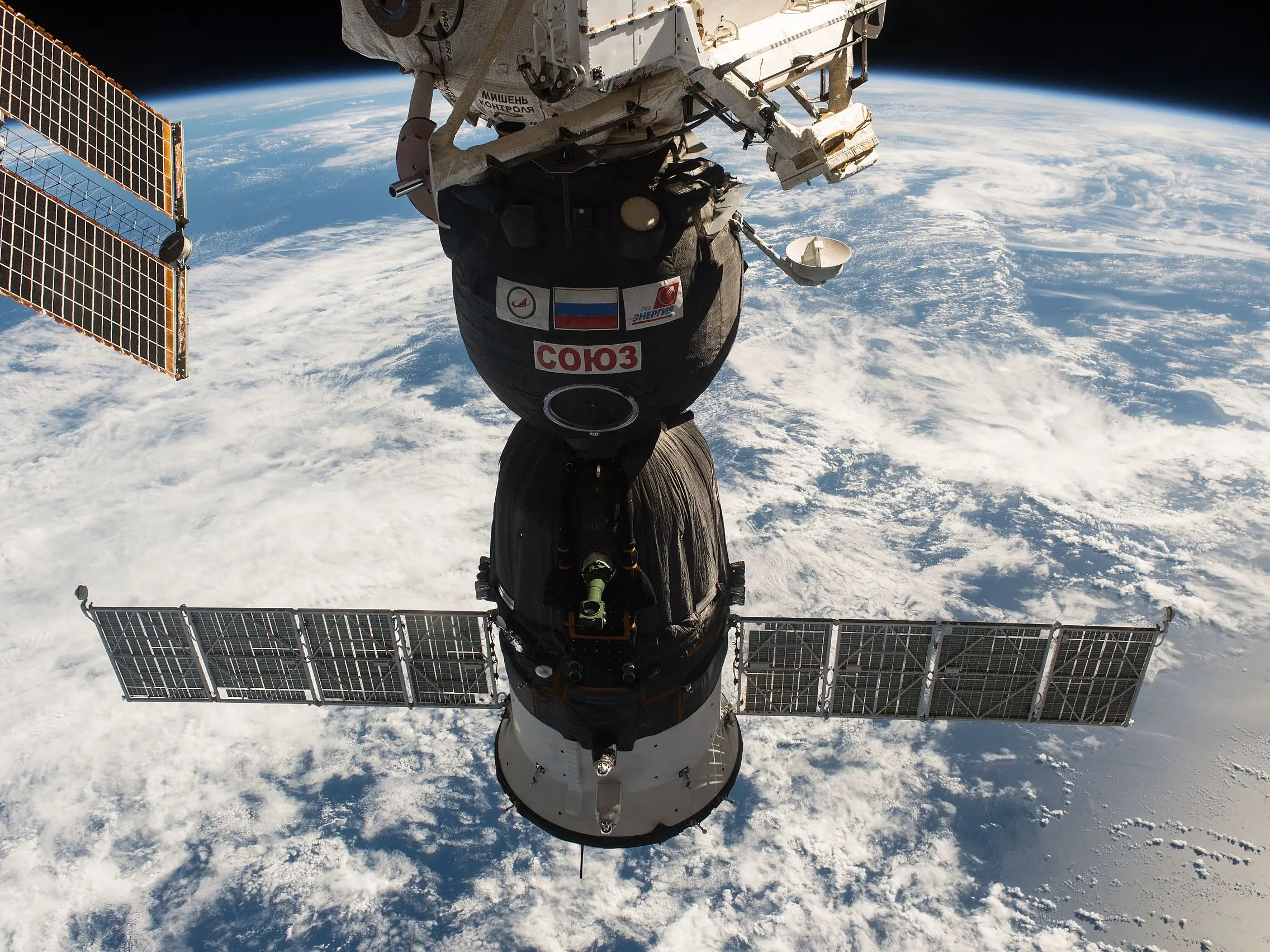)
Soyuz 1 spacecraft suffered a solar panel failure soon after entering orbit Photograph: (Wikimedia Commons)
The Soyuz 1 mission
The Soyuz 1 mission, launched on April 23, 1967, was the first crewed flight of the Soviet Soyuz spacecraft, with Vladimir Komarov aboard. Intended as a test of the new spacecraft’s systems, including navigation, life support, and docking capabilities, the mission faced immediate problems. A solar panel failed to deploy, causing critical power shortages and compromising control systems. Despite these malfunctions, Komarov continued the mission under immense risk.
During re-entry on April 24, 1967, the spacecraft’s main parachute failed, and the reserve became entangled. Soyuz 1 crashed violently in southeastern Russia, killing Komarov instantly. He became the first human to die during a spaceflight, highlighting the dangers of early space exploration. The mission exposed flaws in spacecraft design, rushed development, and political pressure during the Cold War space race. Komarov’s death prompted a redesign of Soyuz systems, reshaped safety protocols, and cemented his legacy as a symbol of bravery and sacrifice in human spaceflight.
In recognition of his bravery and contributions, he was posthumously awarded the Order of Lenin and named a Hero of the Soviet Union. His ashes were interred in the Kremlin Wall, reflecting his status as a national hero and symbol of Soviet space achievement. Vladimir Komarov’s story is a poignant reminder of the human cost of exploration and the relentless pursuit of knowledge.

