Scientists use impact shock waves to understand new craters on surface of Mars

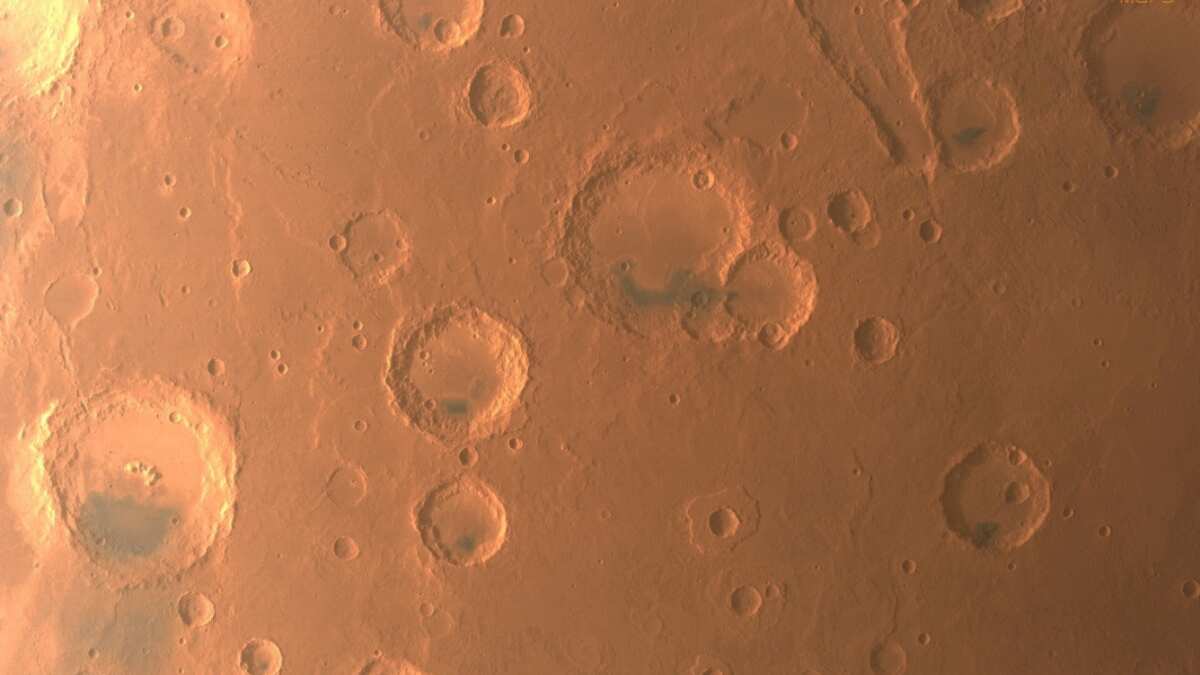
The topography of Mars has been a subject of interest for researchers over the years and they have now found a new process to understand how the surface of the planet has changed over time due to the impact of space rocks. According to a new line of studies, the scientists are using shock waves created on impact to find the exact position and depth of the craters on the surface of Mars.
“This is the first time we have felt and heard an impact on another planet,” said Raphael Garcia, a planetary seismologist at the Higher Institute of Aeronautics and Space at the University of Toulouse.
The data used in this method was taken from NASA’s InSight lander which provided an insight into seismic activities on Mars between May 2020 and September 2021. It took into account small space rocks as well as meteoroids which came in contact with the surface of the red planet.
The study, which was published in Nature Geoscience, succeeded in mapping the surface of Mars up to a certain extent and also helped in understanding the crust of the planet. In an atmosphere where impact craters are extremely common, the study showed the impact they had on changing the landscape of Mars and over time, how it has slowly impacted the composition of the surface.
“If people want to know if a surface is older or younger, it is critical to know the impact rate, but we are not there yet,” said Garcia when asked about the exact accuracy of the study.