Scientists develop advanced DNA test that can detect 18 early stage cancers

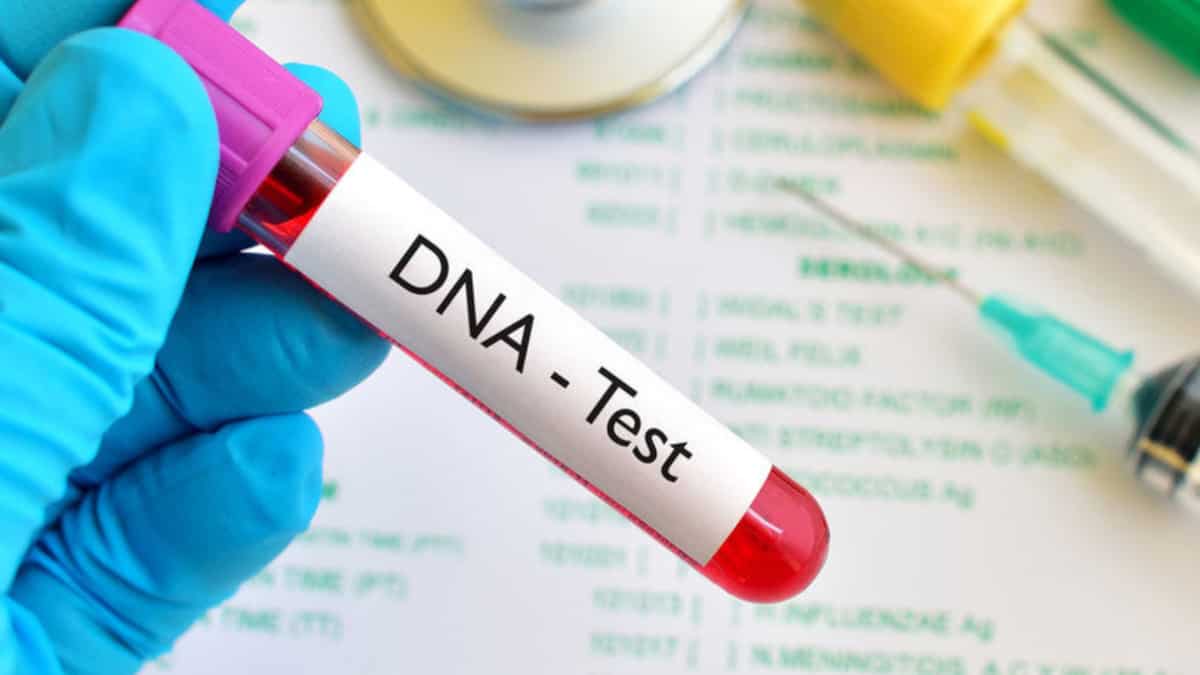
DNA test sample/Representative image
Scientists have made the clinical introduction of a straightforward DNA test capable of identifying 18 early-stage cancers, marking a potential revolution in the field of medical diagnostics.
Cancer is deemed responsible for one in six global deaths. The breakthrough could emerge as a potential 'gamechanger' in the field of healthcare.
A team of US researchers at the biotech firm Novelna has crafted a DNA test that showed the ability to detect 18 early-stage cancers in the vital organs of the human body.
By examining proteins in blood plasma, researchers achieved the differentiation of cancer samples from normal ones and even distinguished between various types of cancers with high accuracy.
Also watch |Cancer experts unveil groundbreaking discovery, eliminates need for invasive surgeries | WION
Their study, published in the BMJ Oncology Journal, suggests that cancer protein signals may exhibit sex-specific characteristics.
What does it mean?
The potential implications of this breakthrough could reshape screening guidelines, incorporating the plasma test as a standard component of routine check-ups.
How was the study conducted?
The study involved collecting blood plasma samples from 440 individuals diagnosed with 18 types of cancer and 44 healthy blood donors. The identification of proteins indicative of early-stage cancers and their origin was conducted with high accuracy, particularly at stage 1 and a precision of 99 per cent.
Researchers acknowledge the need for further studies with larger sample sizes.
Dr Mangesh Thorat, of the Centre for Cancer Prevention at the Wolfson Institute of Preventive Medicine, who was not involved with the study, said that more studies were needed.
"However, the interesting aspects of this assay are a much higher sensitivity for stage I cancers than other similar assays in development and gender-specific performance differences which are biologically and clinically relevant," he was quoted as saying by The Guardian.
"If the assay performance in future, well-designed sequential studies is anywhere close to what this preliminary study suggests, then it could really be a gamechanger."