New genetic tools uncover Neanderthal influence on modern human traits

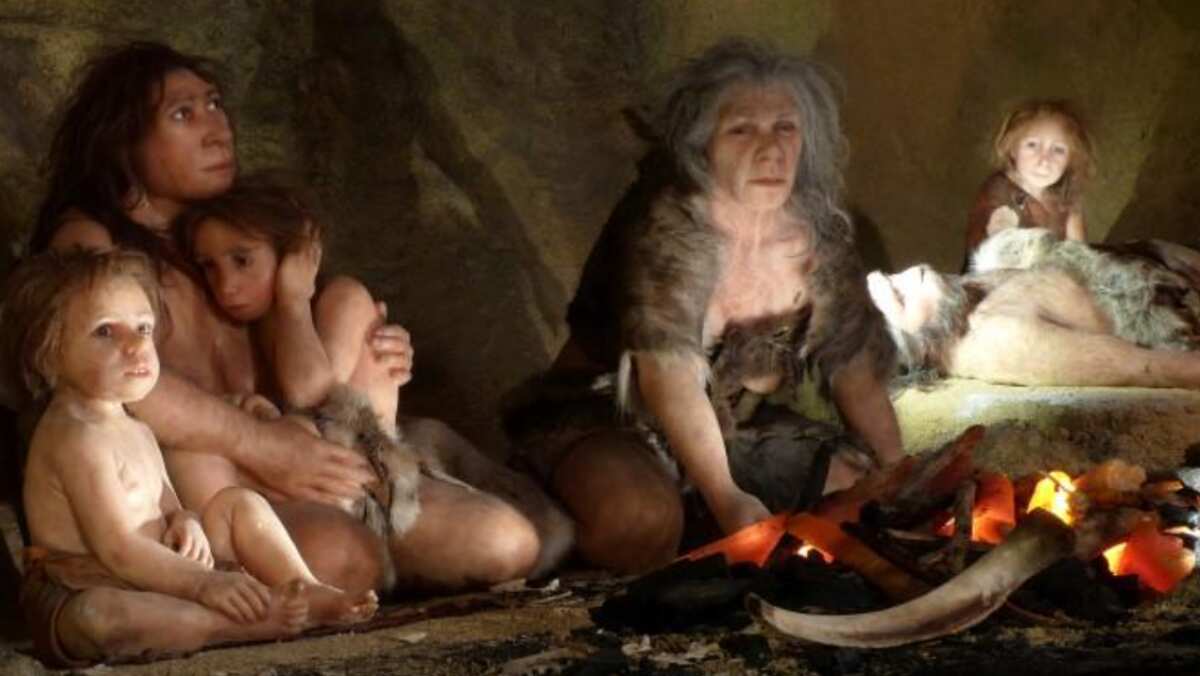
An exhibit shows the life of a Neanderthal family in a cave
By analysing a large dataset from the UK Biobank, which included genetic and trait information from nearly 300,000 Brits of non-African ancestry, the researchers identified specific Neanderthal genes responsible for certain traits in modern humans. These traits include significant influences on the immune system. However, the study also reveals that overall, modern human genes are gradually overpowering Neanderthal genes over successive generations.
Researchers, including those from Cornell University, have developed advanced computational genetic tools to investigate the impact of interbreeding between non-African humans and Neanderthals that occurred approximately 50,000 years ago.
The study specifically focuses on individuals of European ancestry who descended from those who migrated from Africa before Neanderthals became extinct.
Genetic variants, influences
Using precise statistical methods, the research team examined over 235,000 genetic variants likely to have originated from Neanderthals.They identified 4,303 differences in DNA that play a substantial role in modern humans, impacting 47 distinct genetic traits.
These traits encompass various characteristics such as metabolic rates and natural immune resistance to certain diseases.Unlike previous studies, this research effectively excluded modern human genes from the analysis, focusing specifically on variants attributed to Neanderthal genes.
Senior investigator Sriram Sankararaman, an associate professor at the University of California, Los Angeles said, "For scientists studying human evolution interested in understanding how interbreeding with archaic humans tens of thousands of years ago still shapes the biology of many present-day humans, this study can fill in some of those blanks."
"More broadly, our findings can also provide new insights for evolutionary biologists looking at how the echoes of these types of events may have both beneficial and detrimental consequences."
Future research
Although the study primarily examined individuals of European ancestry living in the United Kingdom, the computational tools developed by the research team can potentially be applied to other large databases.
This opens up avenues for exploring the genetic influences of archaic humans on modern humans and gaining insights into human evolution. The findings have implications for evolutionary biologists, shedding light on the beneficial and detrimental consequences of interbreeding events between ancient and modern humans.
Watch | India: INS Vikramaditya, Vikrant lead Navy’s mega ops in Arabian Sea
The study was made possible through support from the National Institutes of Health, the National Science Foundation, and other funding sources, including research fellowships and grants from various organizations and institutions.
The researchers have made their custom software freely available for further research endeavours. The team consists of experts from Cornell University, the University of California, Los Angeles, Massachusetts General Hospital, Harvard Medical School, USC, the Broad Institute of MIT and Harvard, and Harvard University.
WATCH WION LIVE HERE
You can now write for wionews.com and be a part of the community. Share your stories and opinions with us here.