NASA finds energy source and molecule at Saturn's moon Enceladus


File photo.
The National Aeronautics and Space Administration (NASA) has made an interesting discovery on Saturday's icy moon Enceladus. A study by NASA on Thursday (Dec 14) showed that the agency found evidence of a key ingredient for life and a supercharged source of energy to fuel it. Scientists have known that the giant plume of ice grains and water vapour spewing from Enceladus is rich in organic compounds.

"Now, scientists analyzing data from NASA’s Cassini mission are taking the evidence for habitability a step further: They’ve found strong confirmation of hydrogen cyanide, a molecule that is key to the origin of life," the study said.
Researchers also uncovered evidence that an ocean, which is hiding below the moon's icy outer shell and supplies the plume, holds a powerful source of chemical energy. "Unidentified until now, the energy source is in the form of several organic compounds, some of which, on Earth, serve as fuel for organisms," according to NASA.
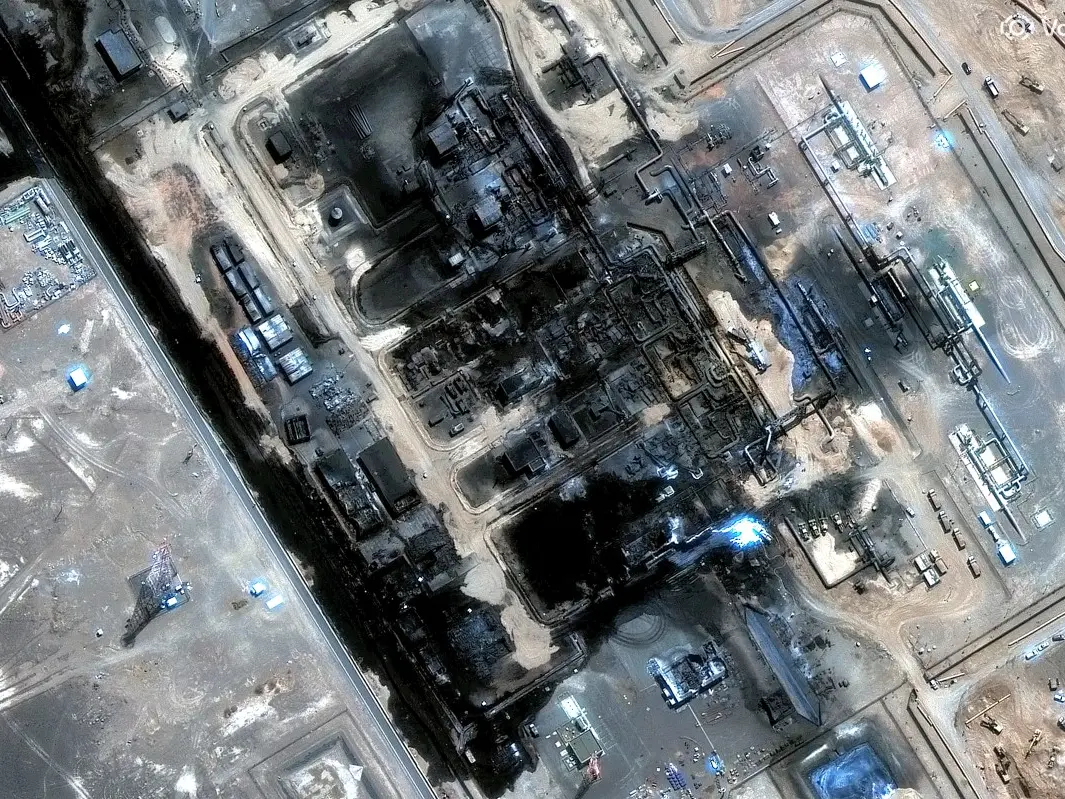)
Oil slips to $98 as Saudi Arabia restarts East-West oil pipeline
)
Rani Mukerji's mother Krishna Mukerji passes away; Karan Johar, Jaideep Ahlawat visit actress
&im=FitAndFill=(700,400))
New OTT releases this week (September 21-27, 2026): Shaque: Trust No One, Hunkkaar, Don’t Be Shy- 5 new titles coming to Netflix, Prime Video and more
)
ICC plans T20I expansion and fewer ODIs in 2027–2031 FTP cycle: Report
)
Raaka creates history! Allu Arjun’s film secures Guinness World Record ahead of release
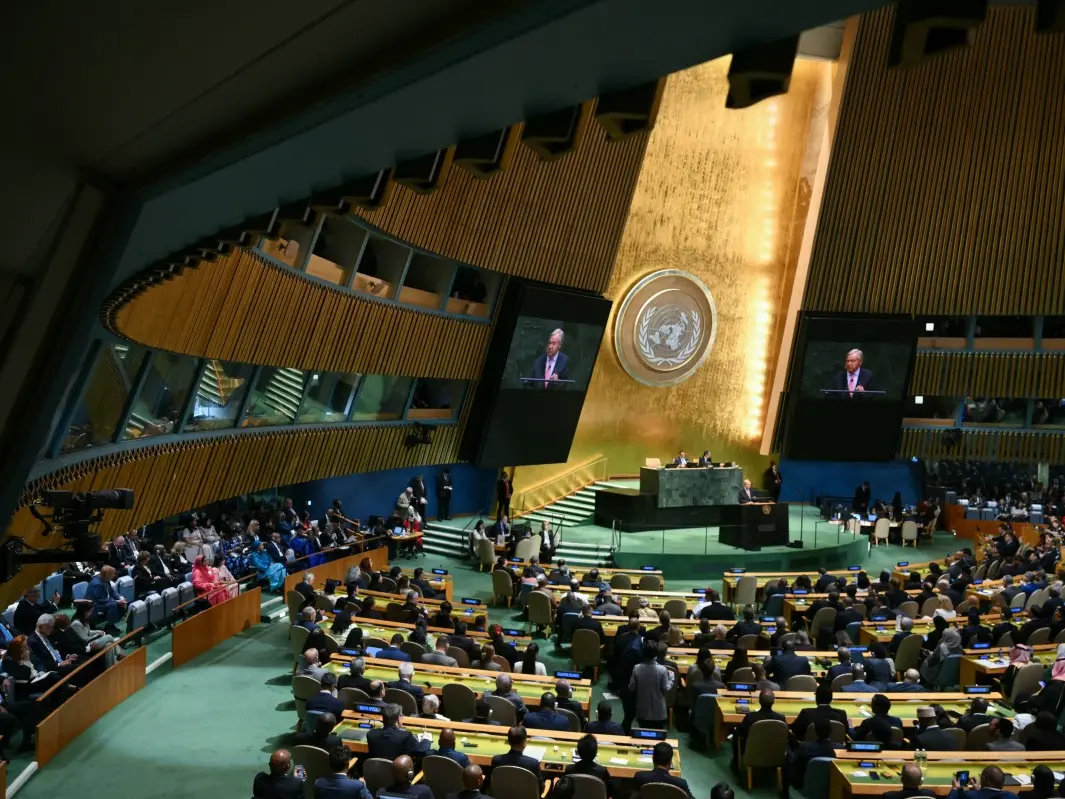)
World leaders repeatedly call Gaza crisis ‘genocide’ as Israel’s war dominates opening sessions of UNGA
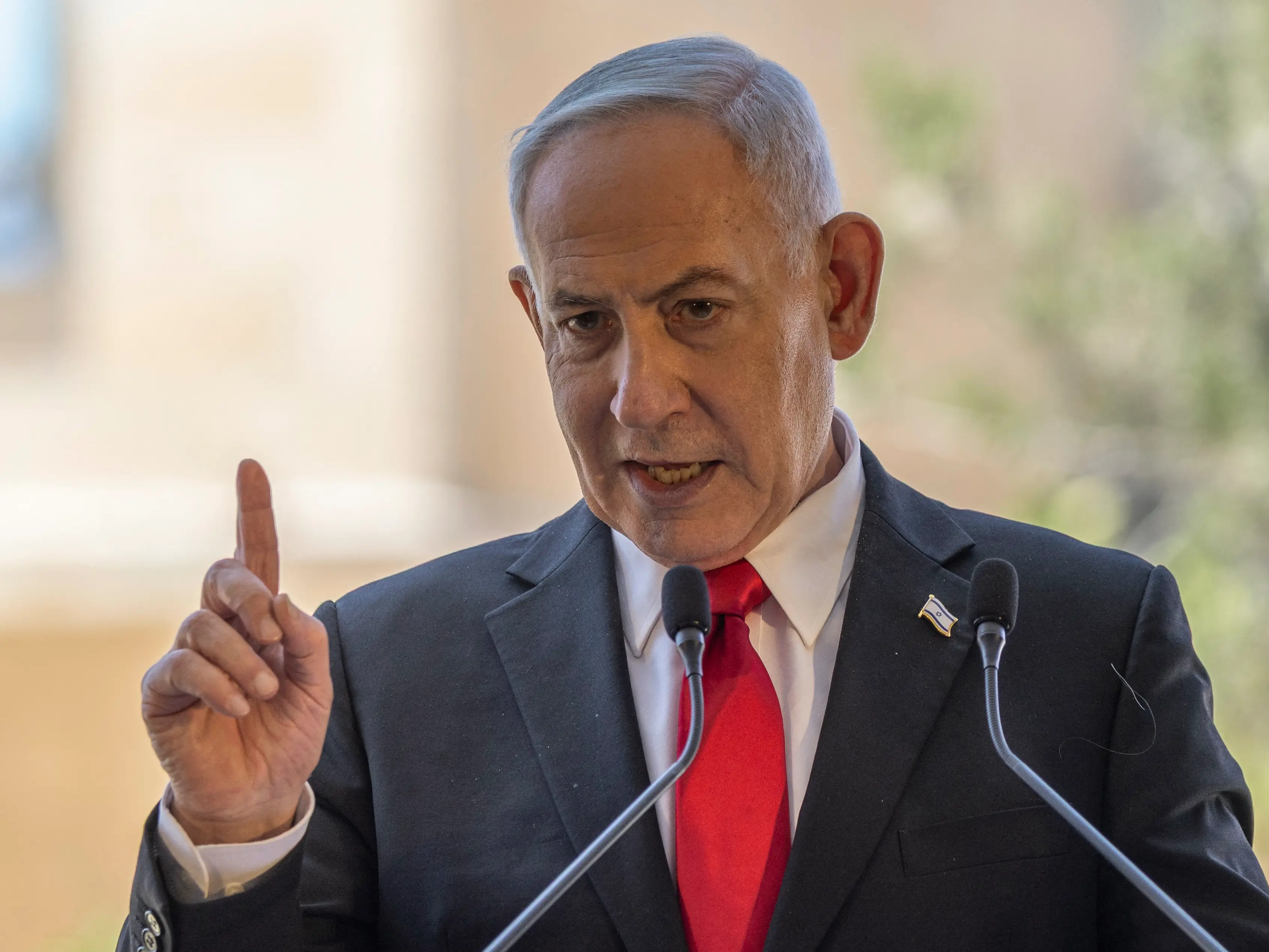)
‘Shame on you’: Netanyahu vows to ‘tell the truth’ about Mamdani at UN ahead of New York visit
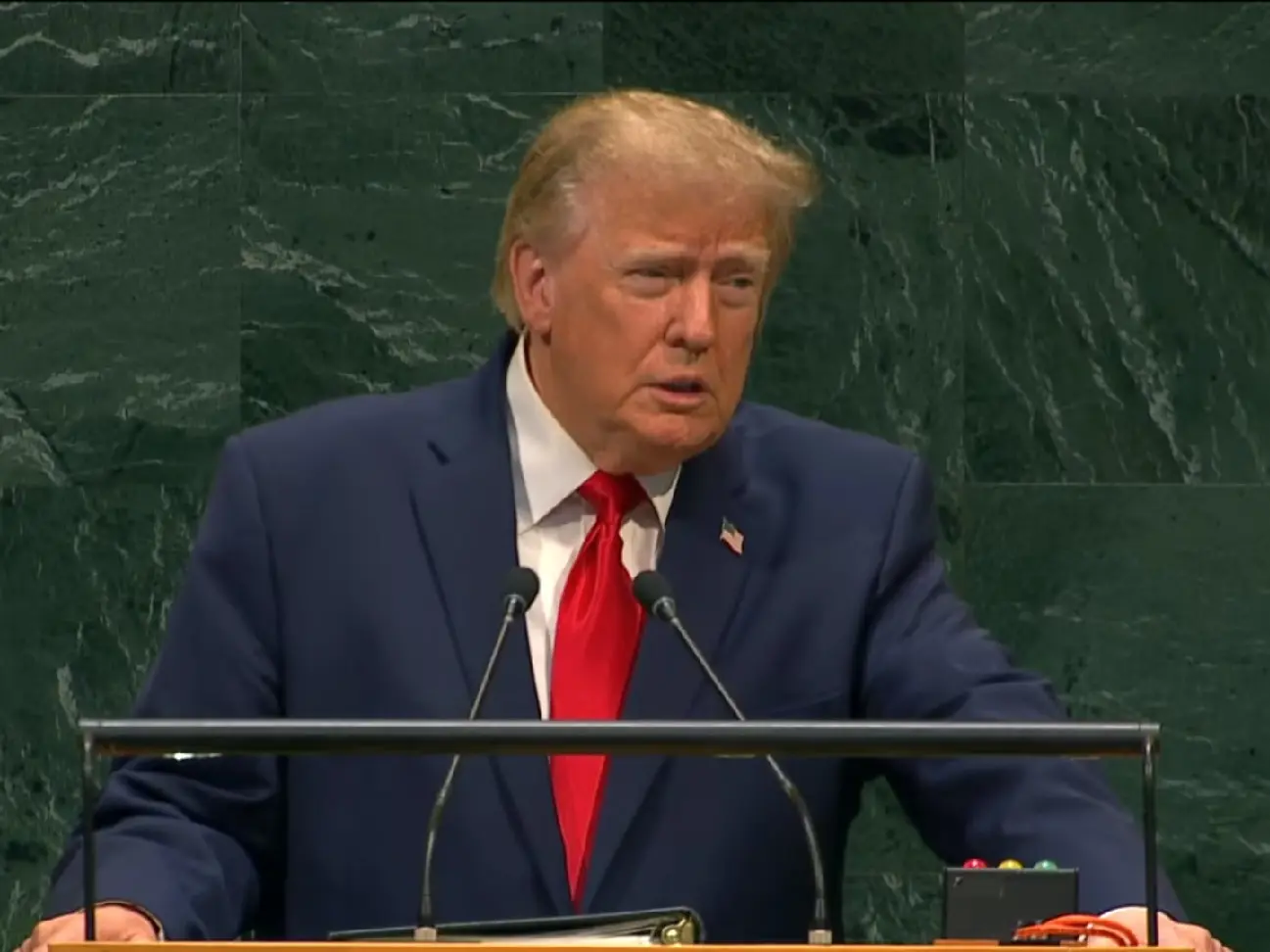)
‘Strike a deal or drive Iran into hell’: Trump issues fresh warning to Tehran at UNGA
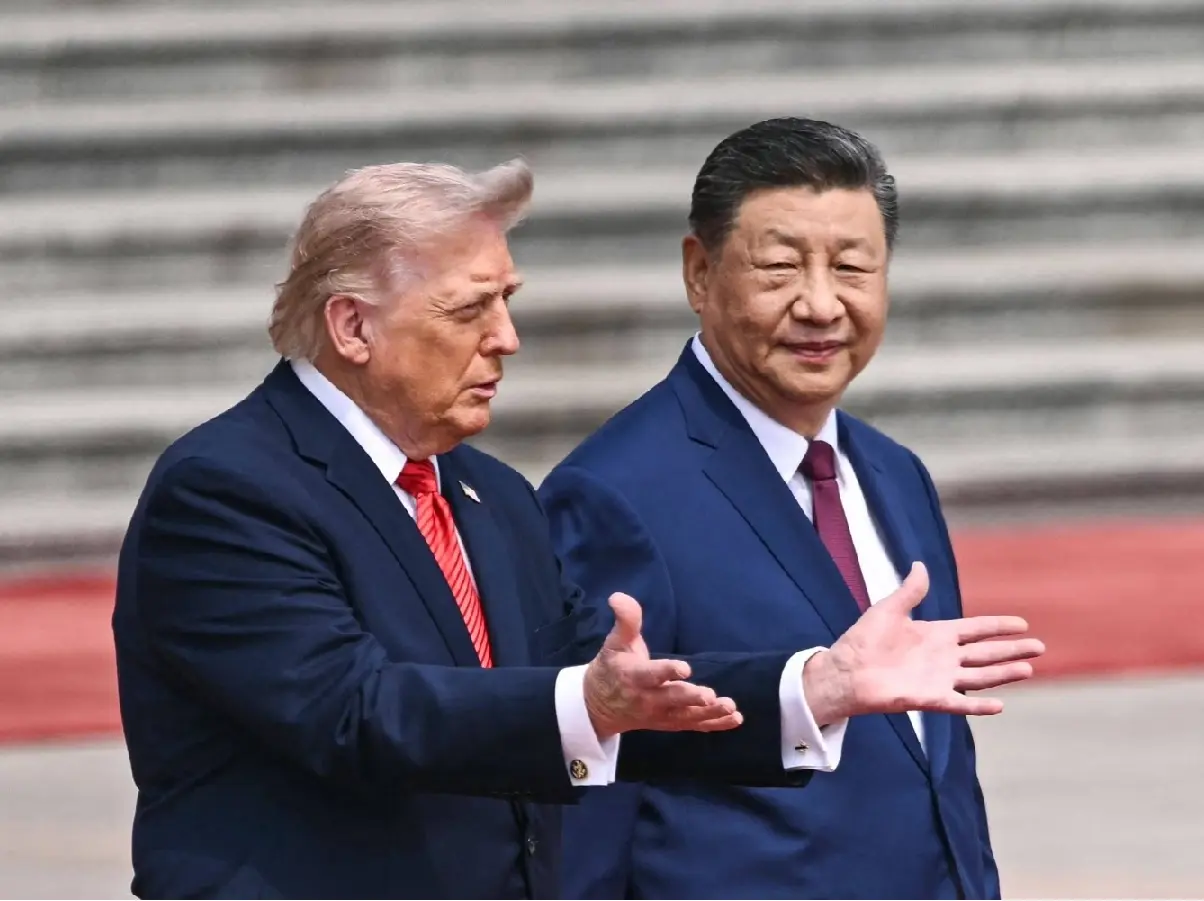)
Explainer: Why rare-earth export licences and Board of Trade are US priorities ahead of Trump-Xi summit
)
'Our team opened the gate of gold medals': Harmanpreet Kaur on India’s Asian Games final win
)
WION Iconic Tourism Summit and Iconic Awards 2026: India's travel economy leaders gather in Delhi
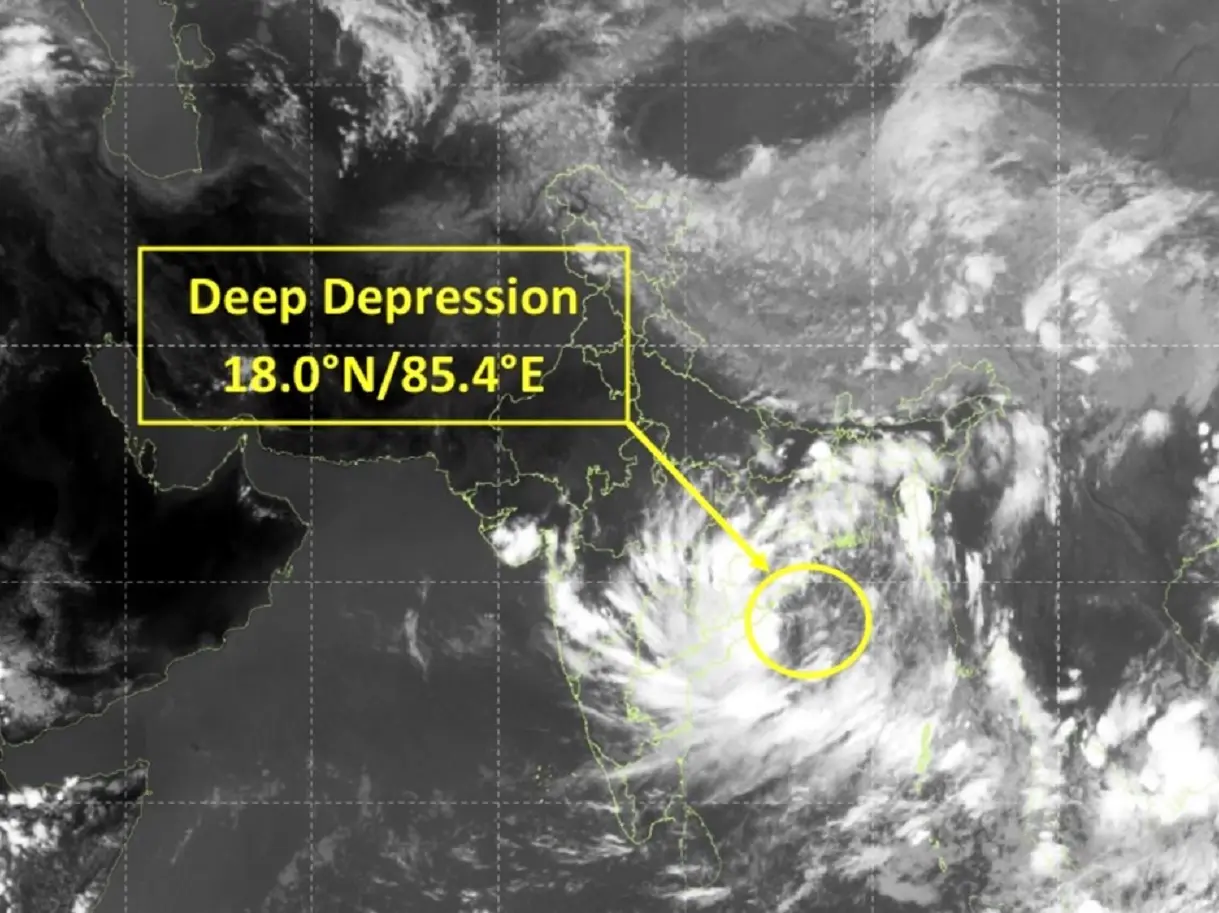)
Cyclone Arnab: Landfall expected before midnight tomorrow as IMD issues orange alerts across six states
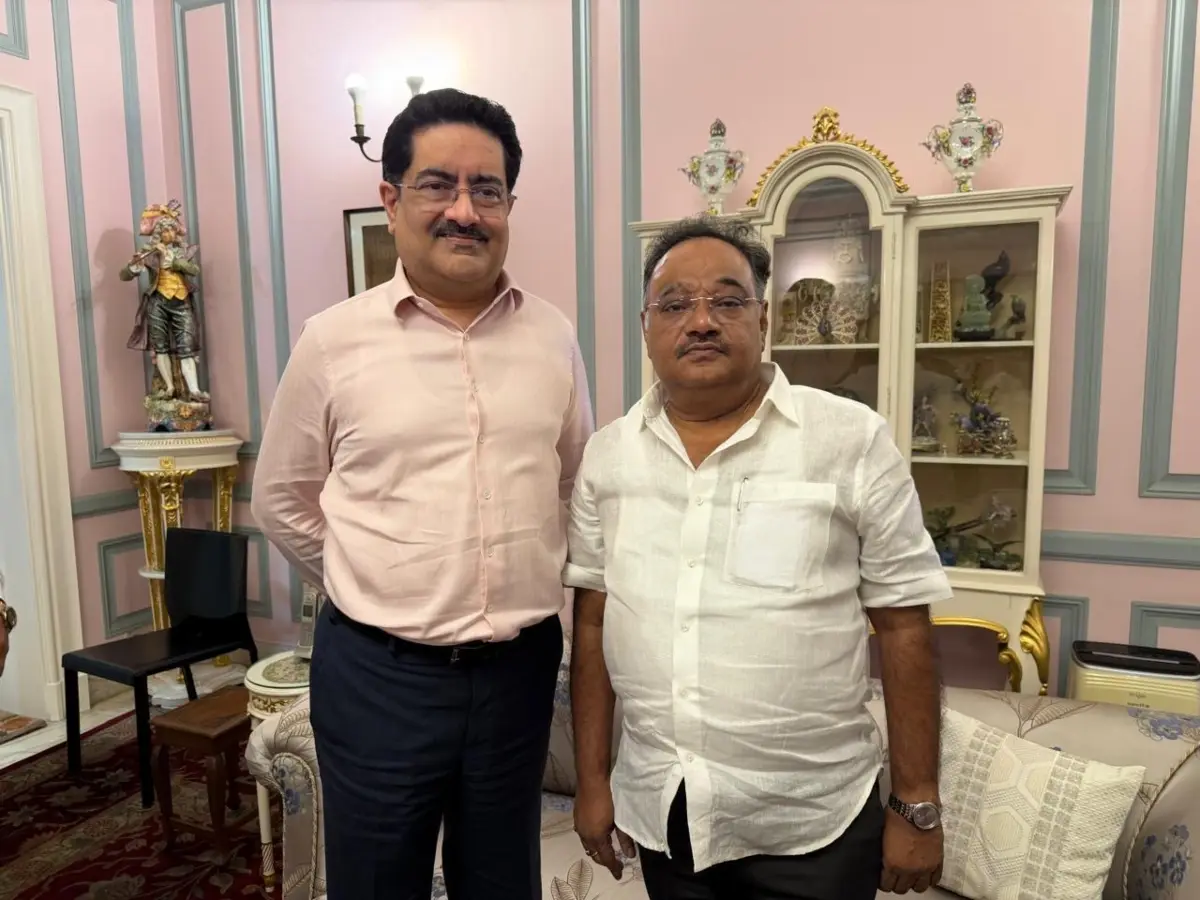)
Four decades after leaving Kolkata, the Birlas may be coming back for more
)
The Verdict | Moral policing isn’t culture or discipline, it’s crime
)
'Needs time away from the international scene': England white-ball captain Brook on pacer Brydon Carse's future
)
Saudi Arabia exits China-led mBridge digital currency platform amid Saudi-Houthi conflict
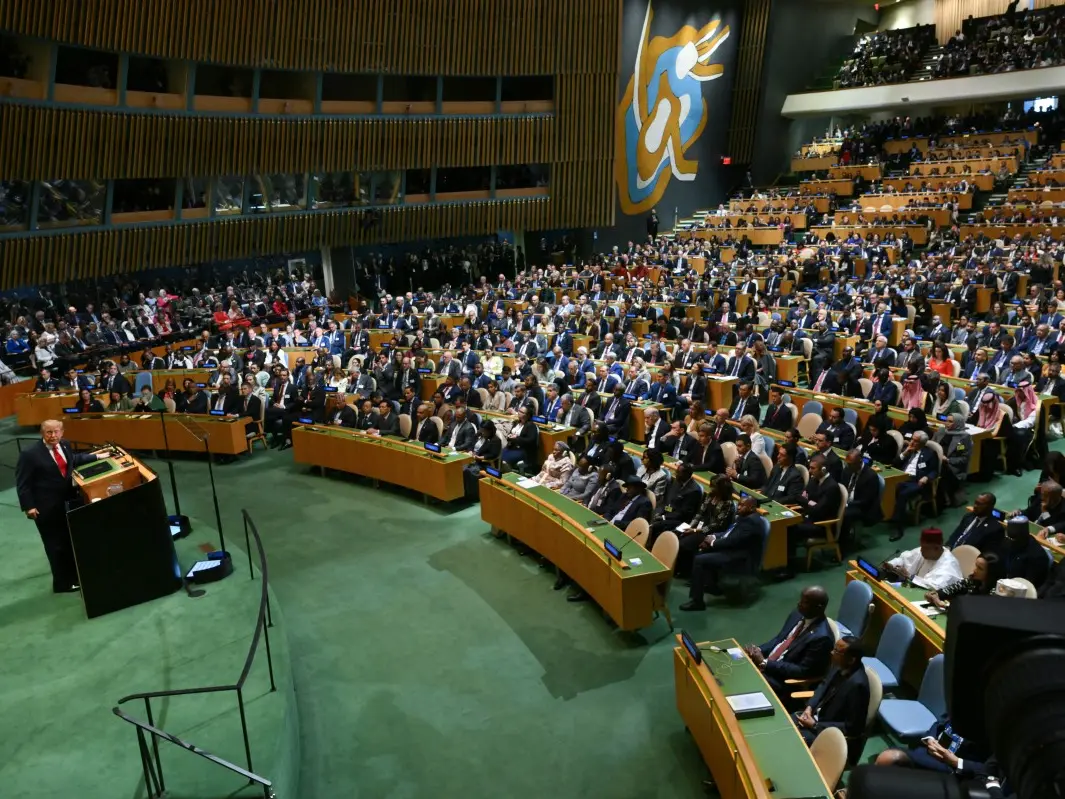)
Trump calls Cuba a ‘failed state’ at UN, Cuban delegation walks out
)
Trump’s China visa crackdown puts US universities, Chinese students in focus ahead of Trump- Xi summit
)
US and China vie for AI dominance as calls grow for regulation | Gravitas
)
Asian Games 2026: India women's cricket team beats Sri Lanka by 147 runs for first gold
)
Bomb scare in New York amid UNGA: Suspicious suitcase found near UN headquarters
)
Justice eludes Air India 1985 bombing victims as Canada probe goes 'inactive' | Gravitas
)
Glitch in the matrix caught on camera: Woman vanishes after talking to reporter
)
WION Iconic Tourism Summit and Awards 2026: Key voices to discuss India’s tourism future
)
IND vs JPN, one-off T20I: Japan captain Kendel on pushing India to the brink - ‘It was special’
)
Trump calls on nations to quit ‘rogue’ and ‘out-of-control’ International Criminal Court, rips UN
)
Yemen clashes kill 154 people in two days as cornered Saudi battles Houthi offensive | Gravitas
&im=FitAndFill=(700,400))
National Film Awards 2026: Kartik Aaryan, Mammootty, Yami Gautam, Randeep Hooda and other key winners
)
Key accused in Bihar's Jamui molestation case, arrested after police shoot him in leg
)
Over 4,200 books withdrawn from circulation in J&K colleges, 94% from Kashmir
)
National Film Awards 2026: Yami Gautam wins Best Actress for Article 370
)
American manufacturing is reshoring faster than its factory floors can absorb
)
'This is normally what toddlers do': Why a psychiatrist is raising fresh questions about Trump’s recent behaviour
)
'Mumma’s boy from Gwalior who dared to dream': Kartik Aaryan pens long note after first National Award win
72nd National Film Awards: Kartik Aaryan receives Best Actor honour for Chandu Champion in Gujarat
)
Gravitas | Boosting NHS productivity could save 20,600 lives in UK annually: Report
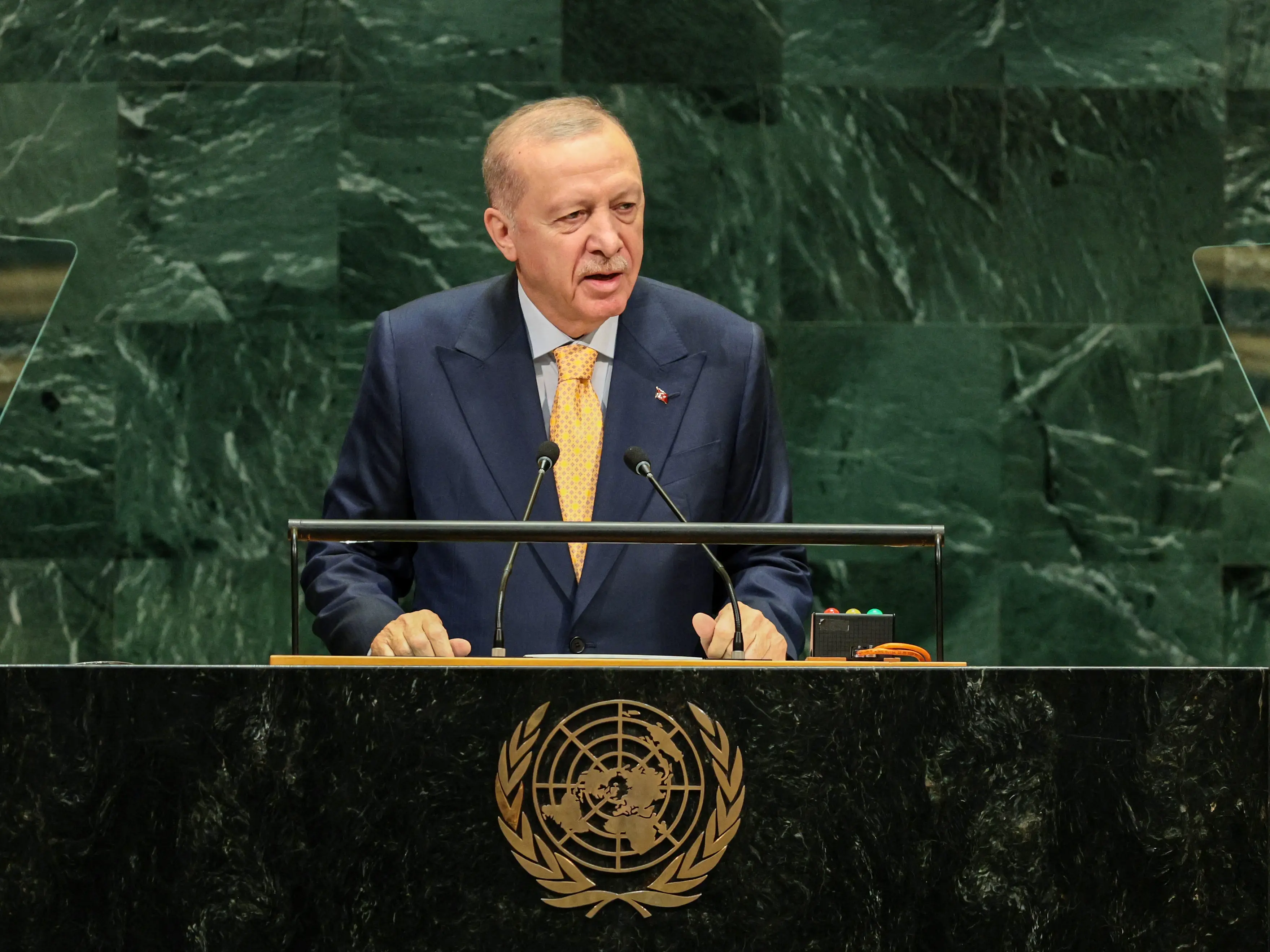)
Erdogan again raises Kashmir issue at UNGA, calls for dialogue under UN Charter
)
Who is Clavicular? The 20-year-old controversial 'Looksmaxxing' influencer charged with rape allegations
The study's findings indicate there may be more chemical energy inside Enceladus than previously thought.
The study's lead author Jonah Peter said hiswork provides further evidence that the moon is a host to "some of the most important molecules for both creating the building blocks of life and for sustaining that life through metabolic reactions."
“Not only does Enceladus seem to meet the basic requirements for habitability, we now have an idea about how complex biomolecules could form there, and what sort of chemical pathways might be involved,” said Peter, a doctoral student at Harvard University who performed much of the research while working at NASA’s Jet Propulsion Laboratory.
Previous evidence found in 2017
In 2017, scientists found evidence at Enceladusthat could help sustain life, if present, in its ocean. The combination of carbon dioxide, methane, and hydrogen in the plume was suggestive of methanogenesis, a metabolic process that produces methane, NASA said.
Thursday's study has uncovered evidence for additional chemical sources far more powerful and diverse than the making of methane.
“If methanogenesis is like a small watch battery, in terms of energy, then our results suggest the ocean of Enceladus might offer something more akin to a car battery, capable of providing a large amount of energy to any life that might be present,” said JPL’s Kevin Hand, co-author of the study.
Reliance on statistical analyses
Unlike earlier research where lab experiments and geochemical modelling were used to replicate the conditions the Cassini mission found at Enceladus, researchers this time relied on detailed statistical analyses.
They examined data collected by Cassini’s ion and neutral mass spectrometer, which studied the gas, ions, and ice grains around Saturn, NASA said.
"By quantifying the amount of information contained in the data, the authors were able to tease out subtle differences in how well different chemical compounds explain the Cassini signal," it added.