NASA plans to send astronauts to live and work on the Moon within this decade

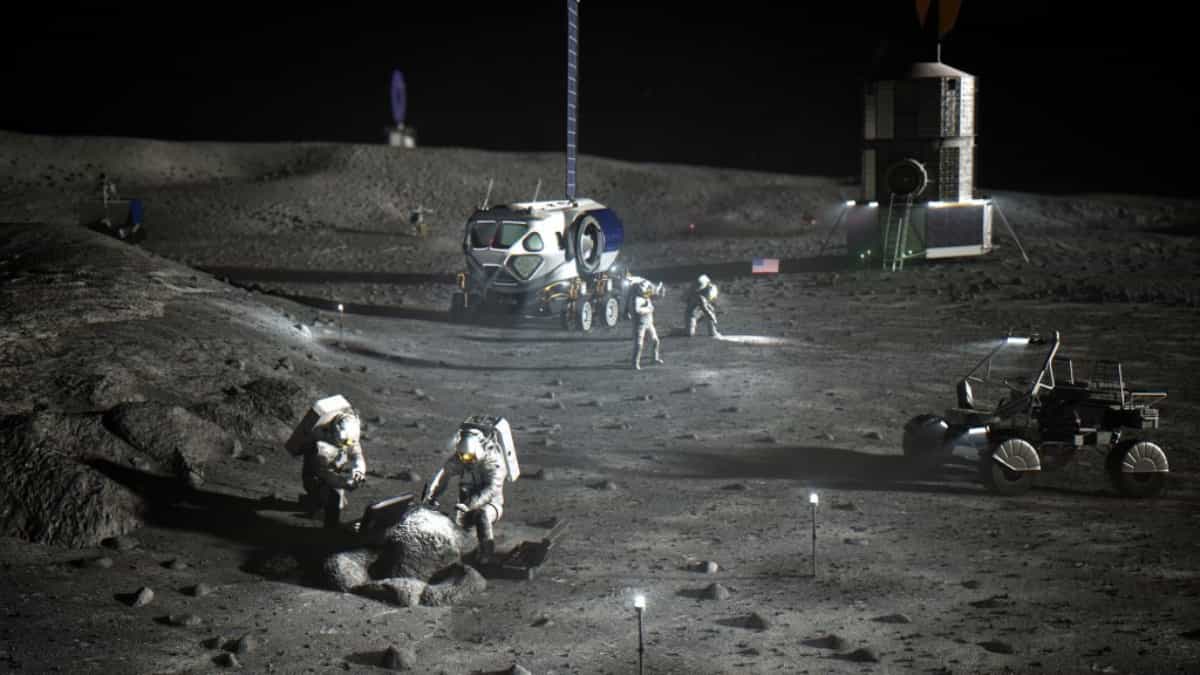
Artemis Base Camp
After months of delay caused by technological woes, natural disasters and bad weather, NASA's unmanned Moon mission Artemis-I, finally and successfully lifted off, on Wednesday (November 16) marking a historic moment in space exploration. However, it was only the beginning of the US space agency’s plan to set up the Artemis Base Camp.
NASA's Artemis rocket ship embarked on a voyage around the moon and back nearly five decades after the Apollo lunar mission from Florida which is aimed at getting astronauts back on the lunar surface as early as 2025 as part of Artemis-III. Along with this, the space agency also plans to construct the base camp on the Moon’s south pole.
According to NASA, initially, the camp will start small and include short surface stays but eventually, the goal is to expand size and sophistication so that it will sustain crews for up to two months at a time. “On each new trip, astronauts are going to have an increasing level of comfort with the capabilities to explore and study more of the Moon than ever before,” said NASA’s associate administrator for human spaceflight, Kathy Lueders, in a statement.
The Artemis Base Camp will also include “a modern lunar cabin and even a mobile home”, including an unpressurised rover to transport suited astronauts as well as a pressurised one to enable long treks away from the base. In the long run, NASA envisions a fixed habitat at the Artemis Base Camp that can house up to four astronauts for at least a month-long stay, said the statement.
“With more demand for access to the moon, we are developing the technologies to achieve an unprecedented human and robotic presence 240,000 miles from home. Our experience on the moon this decade will prepare us for an even greater adventure in the universe –human exploration of Mars,” said Lueders. NASA’s central vision also includes finding and extracting resources from the moon over time which would reduce the load on rockets carrying supplies that will take off from Earth.
According to the director of the Technical Integration Office in NASA’s Exploration Systems Development Mission Directorate, Greg Chavers, the space agency is also considering modular and inflatable structures given that they will be compact and lightweight in transit in order to create large habitable spaces on the moon, said a report by Smithsonian.
The mission Artemis is named after the ancient Greek goddess of hunting and the moon as well as Apollo’s twin sister, the programme aims to return astronauts to the lunar surface in 2025. NASA has also promised that this mission will also witness “the first woman and the first person of colour” to walk on the moon.
WATCH WION LIVE HERE
You can now write for wionews.com and be a part of the community. Share your stories and opinions with us here.